





Have you ever spent more time than you’d like to admit searching for your mobile phone, only to find it tucked away in the most unexpected spot? It’s a frustrating experience, but thanks to advancements in technology, there’s a new way to keep track of those elusive gadgets. Samsung, for instance, offers a handy guide on how to locate your missing gadget using their SmartThings app, making those frantic searches a thing of the past. It’s a small example, but it shows just how much Machine Learning and smart tech are quietly slipping into our lives and making them easier. 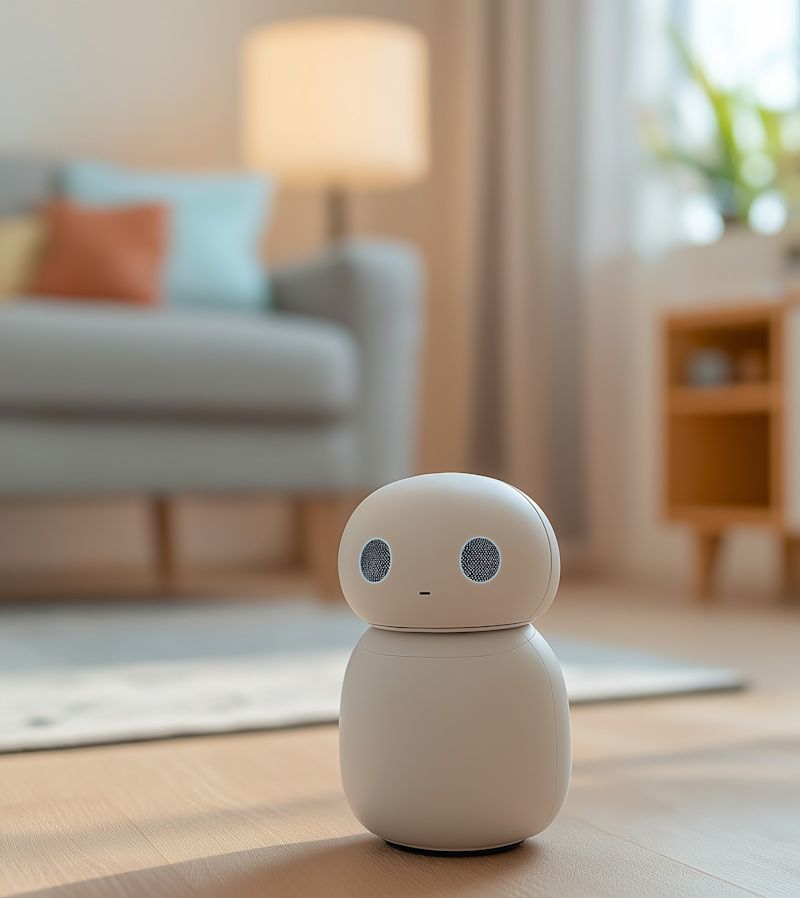 Machine Learning (ML) used to be something you’d see in a futuristic movie—think robots taking over the world or cars that drive themselves. But guess what? Machine Learning isn’t just in the movies anymore; it’s HERE, and it’s quietly becoming a part of our everyday lives. The crazy thing? It’s not all that scary—it’s actually making life a whole lot easier (and cooler).
Your Home is Smarter Than You Think
Ever asked Alexa to play your favourite song or get Google to turn off the lights? That’s Machine Learning at work, right in your living room. These smart home devices are more than just gadgets; they’re like little assistants that know what you want before you even ask. 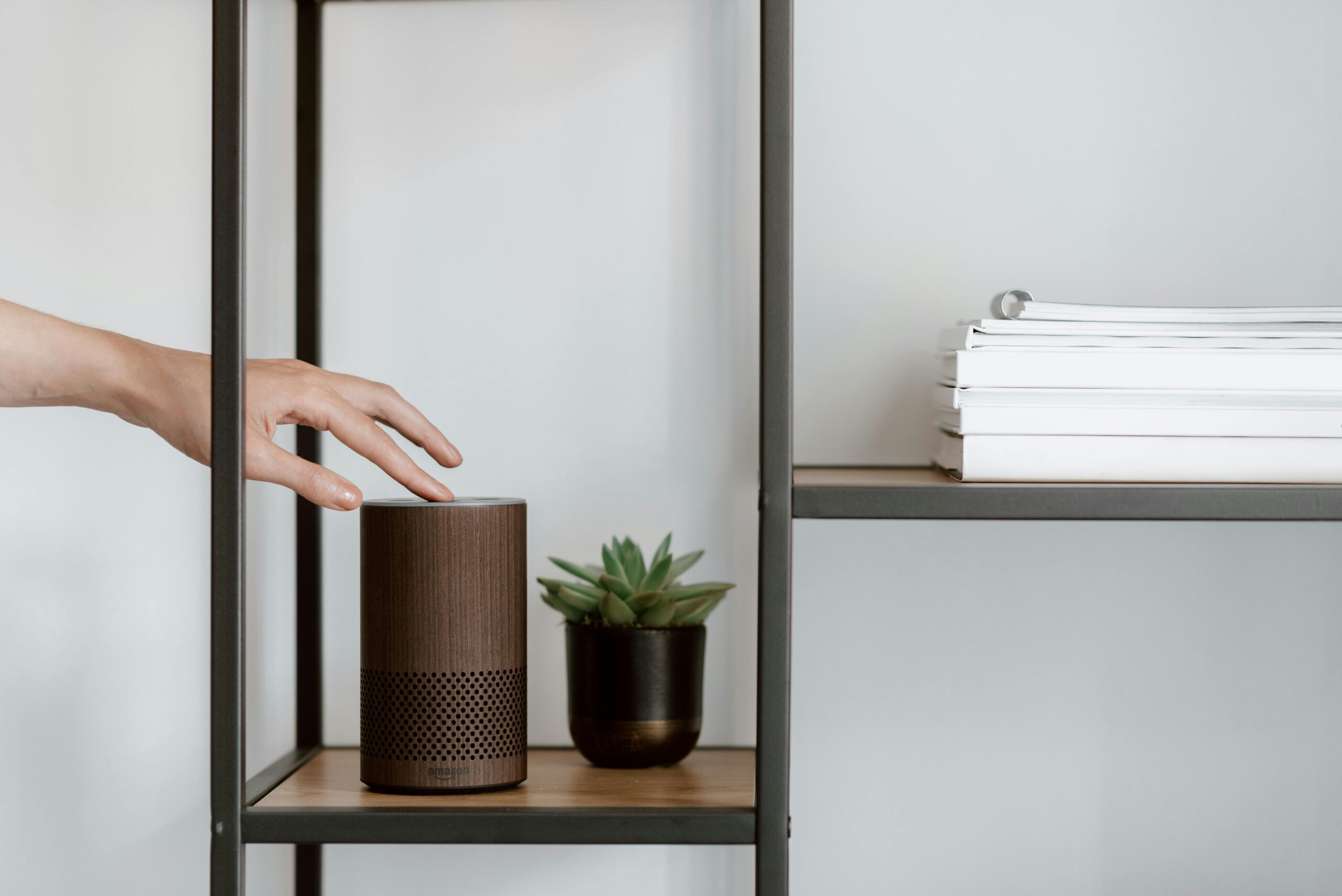 Imagine waking up to a house that’s already made your coffee, adjusting the temperature just the way you like it, and having your favourite podcast queued up for your morning routine. It sounds like something out of a dream, but for many, it’s already a reality. And the best part? Your smart home is learning from you, getting better at predicting what you need and making life just a bit more effortless. One of the latest ways Machine Learning is transforming home life is through smart mirrors. These fitness mirrors, powered by Machine Learning, are like having a personal trainer in your home, offering real-time feedback on your form and progress. Imagine standing in front of a sleek mirror that not only shows your reflection but also guides you through personalised workouts, tracks your movements, and adjusts routines to help you hit your fitness goals. It’s like having a gym and trainer at home, making fitness more convenient and accessible than ever. And that’s just one more example of how ML continues to quietly slip into our lives, making things easier, more personalised, and, in this case, healthier.
Conversations with Machines? Yep, It’s a Thing
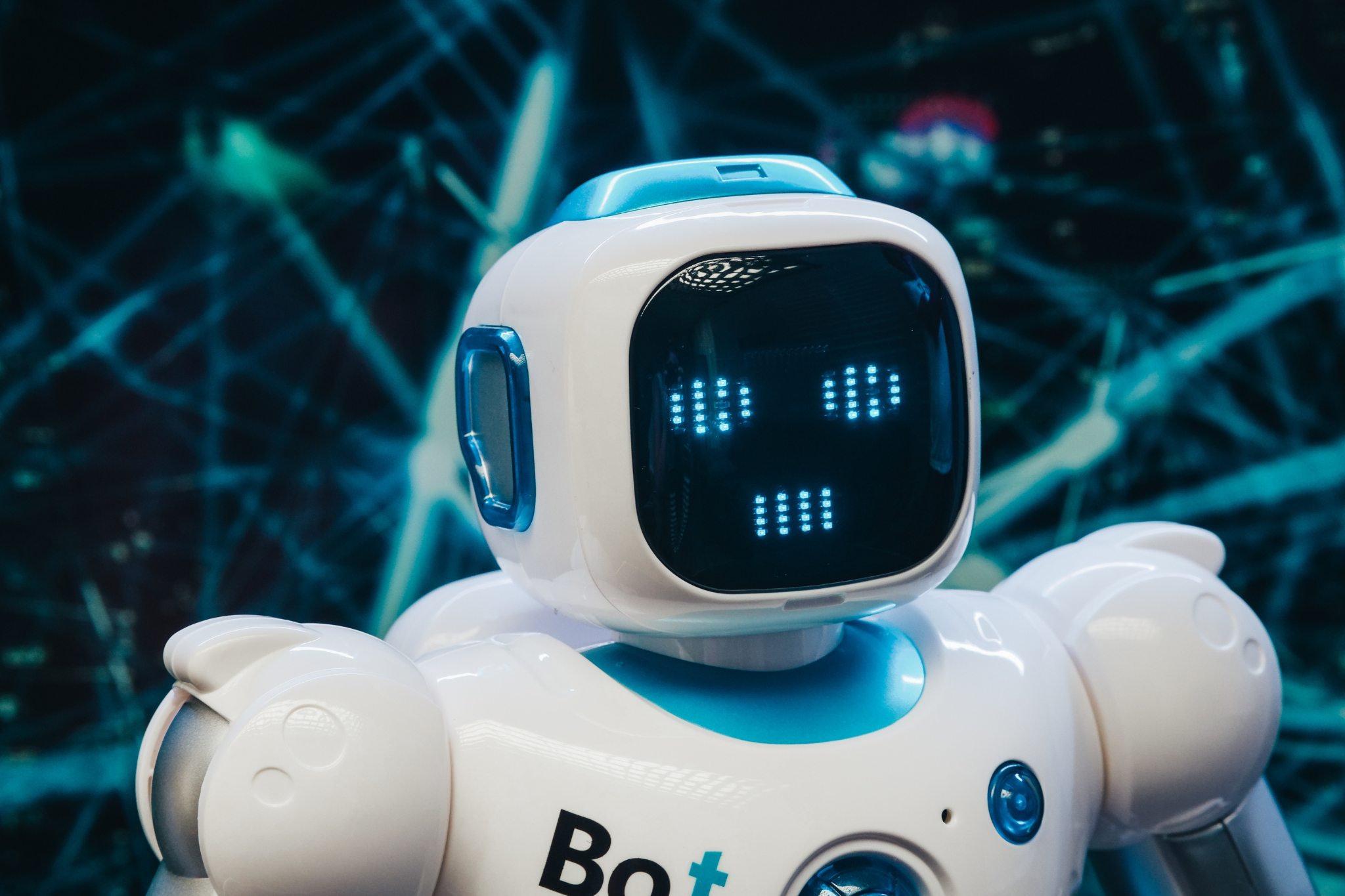
Ever chatted with a company’s customer service bot? You might not have even realised it wasn’t a human on the other end. Machine Learning chatbots are getting so good at mimicking human conversation that they’re handling everything from your order queries to helping you troubleshoot your tech. And it’s not just customer service. If you’ve ever used Grammarly to polish up an email or let an ML tool suggest some edits, you’re tapping into the power of Machine Learning. These tools are like having a writing buddy who’s always there to help you sound your best. The result? Faster, clearer, and sometimes even more creative communication. 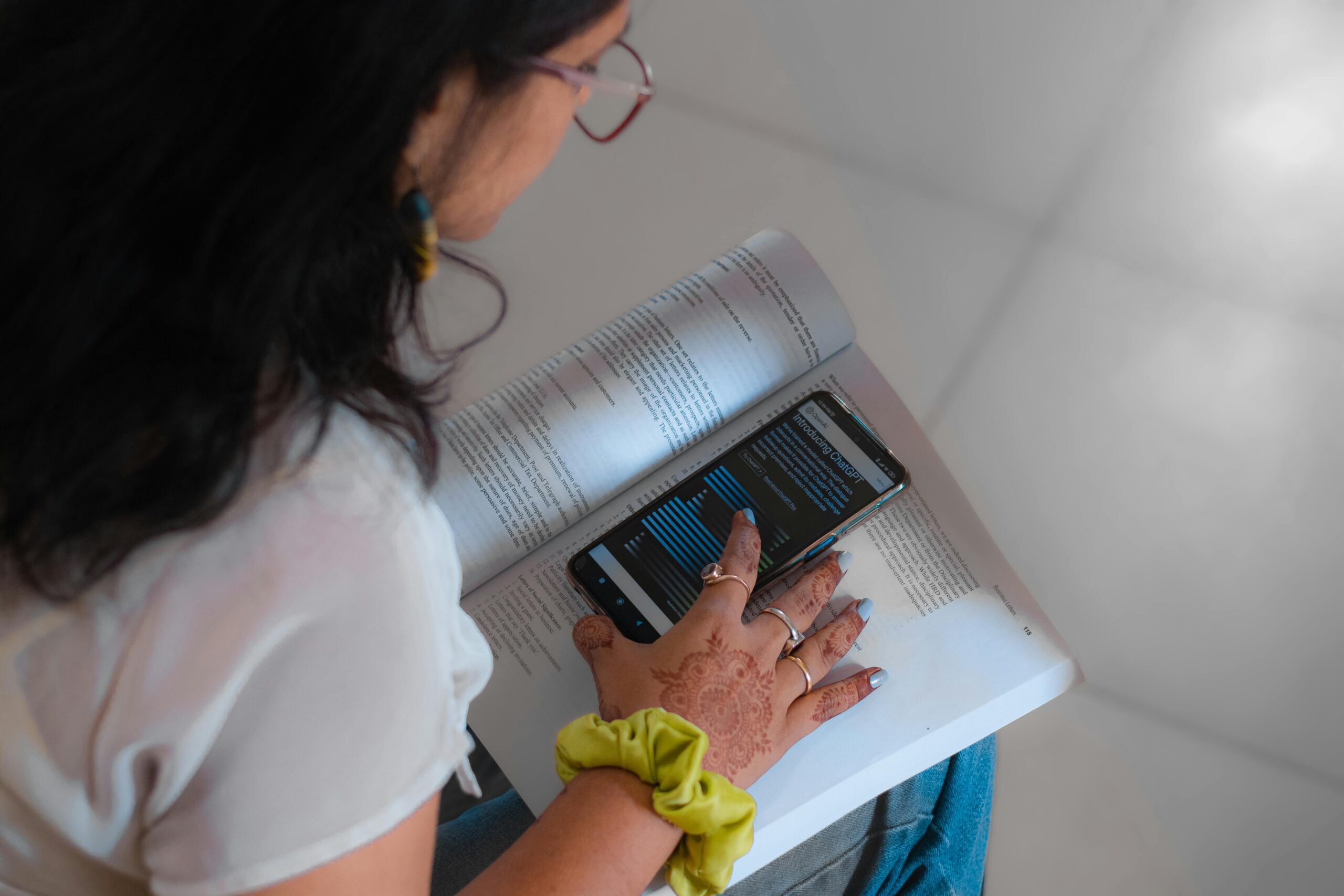
Shopping Feels a Lot More Personal Now
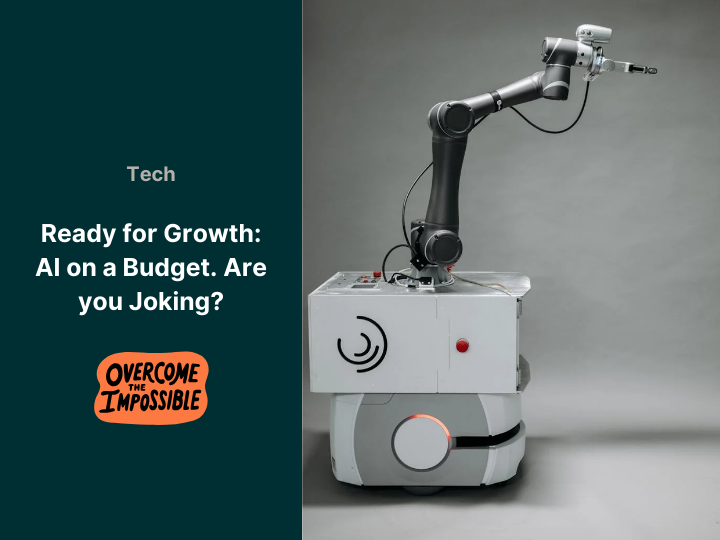
Remember the last time you were shopping online, and it felt like the store just knew what you wanted? That’s Machine Learning working behind the scenes, analysing your preferences, browsing history, and even your past purchases to make suggestions that are eerily accurate. It’s like having a personal shopper who knows your style better than you do. But Machine Learning’s role in retail goes beyond recommendations. It’s also transforming how businesses manage their operations. For example, ML helps companies predict demand, optimise inventory, and even set dynamic pricing. If a product is flying off the shelves, ML can adjust the price in real-time to maximise profits. On the flip side, if something isn’t selling, it can suggest discounts to clear stock. Machine Learning is also revolutionising logistics. From warehouse robots that pick and pack orders to delivery drones that bring your purchases to your doorstep, the entire shopping experience is becoming faster and more efficient. It’s like the retail world has a brain of its own, constantly learning how to make your shopping experience smoother and more enjoyable. 
Healthcare is Getting a High-Tech Upgrade
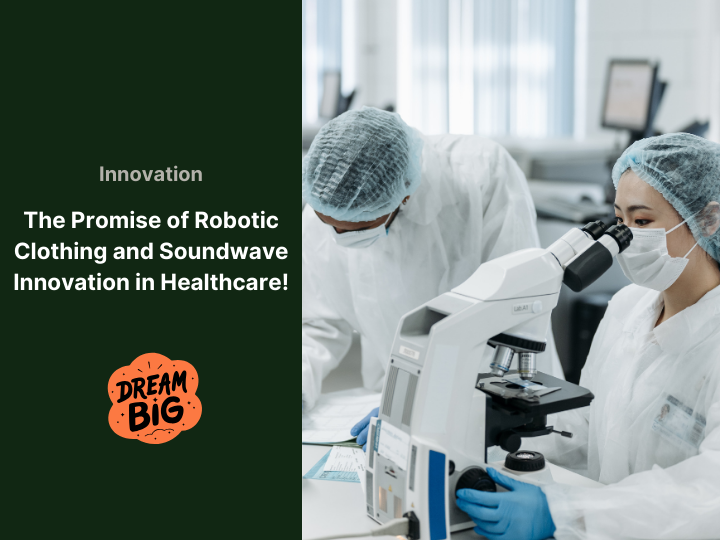
Machine Learning is making some pretty big waves in healthcare, too. Imagine a world where your doctor has a supercomputer helping them diagnose illnesses, spot patterns in your health data, or even tailor treatments specifically for you. Sounds amazing, right? Well, it’s already happening. For instance, ML-powered tools can outperform lifelong diagnoses, helping doctors analyse medical records and research papers to recommend personalised treatment plans. In radiology, ML algorithms can detect early signs of diseases like cancer in medical images, often with greater accuracy than human eyes. This means faster diagnoses and better outcomes for patients. Wearable tech is also getting a serious boost from Machine Learning. Those fitness trackers and smartwatches? They’re doing more than just counting your steps. They’re monitoring your heart rate, tracking your sleep patterns, and even alerting you to potential health issues. It’s like having a personal health coach that’s with you 24/7, giving you real-time feedback to help you stay on top of your health.
Is Machine Learning a Friend or Foe?
Okay, so Machine Learning is pretty cool, but it does come with some big questions. For example, what happens to our jobs when machines get too smart? While ML can automate repetitive tasks, it also creates new opportunities in fields like ML development, data analysis, and cybersecurity. The key is to adapt and up-skill, ensuring we’re ready for the jobs of the future. Another concern is bias in Machine Learning systems. If the data used to train ML is biased, the outcomes can be unfair or discriminatory. That’s why it’s crucial to ensure ML systems are transparent, ethical, and regularly audited. Companies like Google and Microsoft are already working on frameworks to make ML more accountable. And let’s not forget about privacy. With Machine Learning collecting and analysing vast amounts of data, how much are we willing to share? Striking the right balance between convenience and privacy is essential. Regulations like GDPR in Europe are a step in the right direction, but there’s still work to be done. These are the kinds of conversations we need to have as Machine Learning becomes a bigger part of our world. It’s all about embracing the benefits while protecting what matters most—our jobs, our privacy, and our values.
Machine Learning is Here to Stay!
So, what’s next? ML is only going to get more integrated into our lives. We’re talking smarter homes that adjust to your preferences, more personalised services that anticipate your needs, and maybe even those self-driving cars we’ve all been waiting for. In the workplace, Machine Learning will continue to streamline processes, from automating administrative tasks to enhancing decision-making with data-driven insights. In education, ML-powered tools will personalise learning experiences, helping students learn at their own pace. Living in this era is pretty exciting, but it also means we need to stay curious and informed. Whether you’re a tech lover, someone trying to keep up with the changes, or just a bit curious about where all this is headed, one thing’s for sure: Machine Learning is here to stay, and it’s going to keep making waves in ways we can’t even imagine yet.