


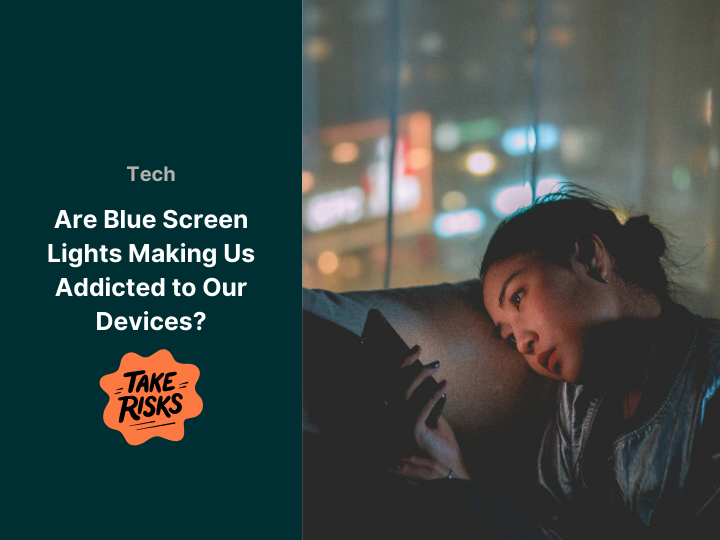
In today’s digital age, we’re almost inseparable from our screens. Whether it’s your smartphone, laptop, TV, or tablet, screens have become an integral part of our daily lives. But there’s one element of this technology that’s been raising eyebrows—blue light. This light, emitted by most of our devices, has been linked to everything from disrupted sleep to potentially addictive behaviours. But what’s really going on? Are blue screens making us addicted to our tech?
What Exactly Is Blue Light?
Blue light is a type of high-energy, short-wavelength light that comes from our screens and various artificial light sources. Unlike other types of light, blue light can penetrate deep into our eyes, affecting not only our vision but also things like sleep and mental well-being. But here’s where things get interesting—it might also play a role in keeping us glued to our devices.
Why Should We Be Concerned About Blue Light?
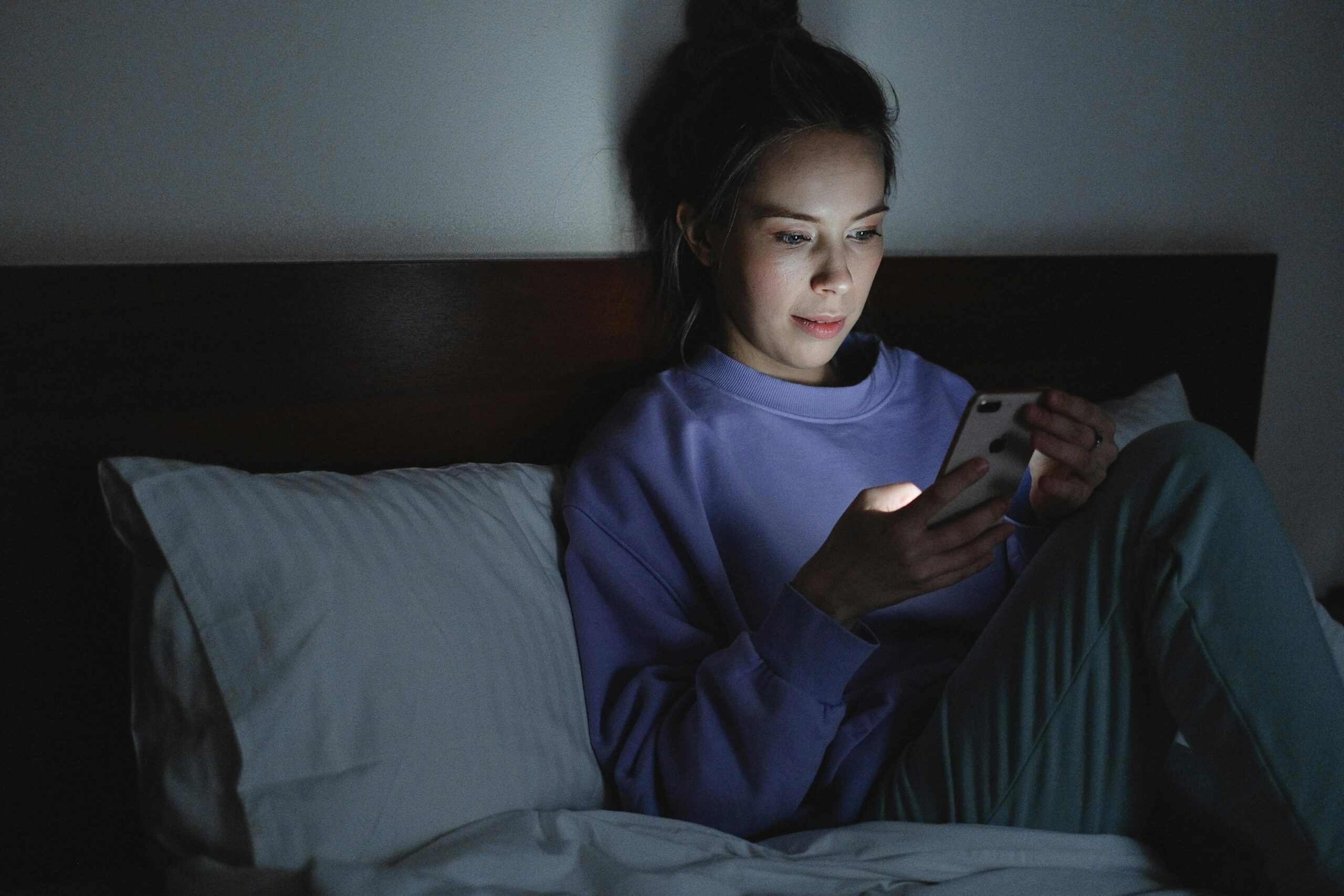
- Sleep Disruption** One of the most well-known effects of blue light is how it messes with our sleep. When you’re exposed to blue light, especially at night, it throws off your body’s circadian rhythm—basically, your internal clock. This happens because blue light suppresses melatonin, the hormone that helps you feel sleepy. So, all that late-night scrolling might be why you’re tossing and turning instead of drifting off. A study published in The Journal of Clinical Endocrinology & Metabolism found that even two hours of blue light exposure in the evening can reduce melatonin production by up to 22%. This disruption can lead to difficulty falling asleep and poorer overall sleep quality. For more on the connection between blue light and sleep, check out this Circadian Light Therapy.
- Eye Strain** Staring at screens for long periods can also cause digital eye strain. Ever feel that discomfort in your eyes after a day of work or binge-watching? Blue light is a big part of that. Over time, it can lead to tired, dry eyes and could even impact your vision if you don’t take breaks.
Is Blue Light Contributing to Our Tech Addiction?
The idea that blue light itself causes addiction is a bit of a stretch, but it’s definitely part of the bigger picture. Here’s how:
- It Makes Screens More Engaging** Blue light helps give screens that sharp, bright look, which keeps us visually hooked. Add in the fact that social media, games, and apps are designed to capture our attention with flashy notifications and endless content, and you’ve got a recipe for constant engagement. The reward systems in our brains love this, encouraging us to keep coming back for more.
- Cognitive Overload** Screens provide us with a constant flood of information and stimulation, which can be overwhelming. This overstimulation can lead to compulsive behaviours, like the constant need to check your phone or refresh your social media feed, fueling that sense of addiction.
- Habit Formation** The more time we spend on our devices, the more likely we are to form habits that resemble addictive behaviours. If you find yourself feeling anxious without your phone, putting off real-life activities for screen time, or struggling to disconnect, you’re not alone. These patterns can develop gradually and can feel hard to break.
Looking to Protect Your Eyes with Glasses or Sun Glasses?
How to Manage Blue Light Exposure and Screen Time
While blue light isn’t directly responsible for tech addiction, it plays a role in creating environments where these behaviours can flourish. The good news is, there are ways to protect yourself:
- Use Blue Light Filters** Most devices now come with built-in features like “night mode” and blue light filters, or you can invest in blue light-blocking glasses from Swanwick, which help reduce eye strain and improve sleep quality during your detox journey. These filters reduce the intensity of blue light, especially in the evening, making screen time easier on your eyes and less disruptive to your sleep.
- Practice the 20-20-20 Rule** This simple trick can help relieve eye strain: every 20 minutes, look at something 20 feet away for 20 seconds. It gives your eyes a break from the screen and can prevent that uncomfortable strain from building up.
- Create Screen-Free Zones** Setting aside certain times in your day to be completely screen-free can do wonders for your well-being. This is especially important before bed when the blue light exposure can mess with your sleep. Unplug, unwind, and let your body reset naturally. Try using the Freedom app to block distractions and manage your screen time effectively.
- Embrace Offline Activities** Remember, life exists outside the screen! Whether it’s going for a walk, picking up a book, or engaging in a creative hobby, balancing your screen time with offline activities can help break the cycle of constant digital engagement. Why not make your outdoor time even more enjoyable? Try grabbing a pair of Skechers walking shoes to stay comfortable during your next hike or stroll in the park. Or, if reading is your go-to offline activity, check out some of the latest page-turners available on BookShop. By making these small changes, you’ll not only break away from the digital world but also elevate your offline experience!

Blue Light Isn’t the Villain—But It’s a Player
Blue light by itself isn’t causing tech addiction, but it definitely plays a role in creating environments where we can easily slip into addictive habits. The key is awareness. By understanding how blue light affects our bodies and behaviour, and taking simple steps to minimize its impact, we can take back control of our screen time. It’s all about fostering healthy, mindful relationships with our devices.