





Environmental Monitoring: Innovations and UK Funding
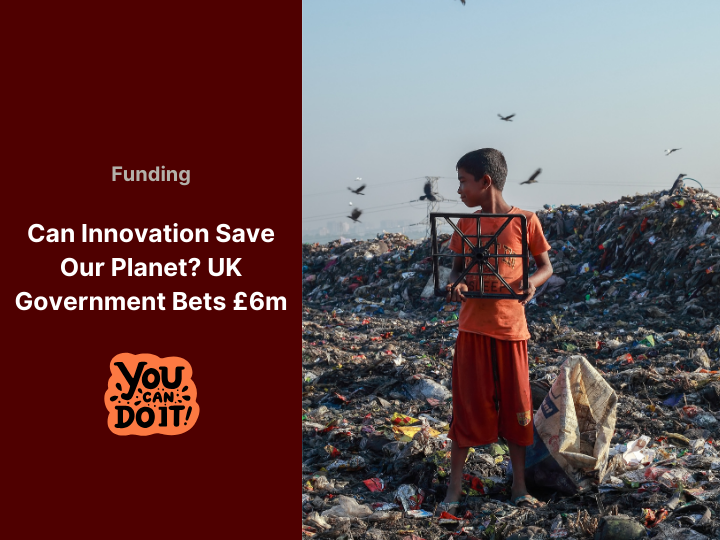
Environmental monitoring has become a critical part of our global efforts to combat climate change and safeguard natural ecosystems. For example, the UK government has earmarked £6 million for 19 innovation projects aimed at monitoring environmental change. But is this enough, given the magnitude of the challenges ahead? Next, let’s delve into the latest trends and technologies shaping environmental monitoring. Also, we’ll explore how government funding can bolster these innovations. 
The Importance of Environmental Monitoring
Monitoring environmental change allows scientists, policymakers, and industries to make informed decisions on everything from pollution control to resource management. Meanwhile, with rapid advancements in technology, our ability to track, measure, and understand the Earth’s environmental shifts has grown exponentially.
Cutting-edge Technologies in Environmental Monitoring
1. Satellite-Based Remote Sensing
Remote sensing through satellites has revolutionized how we monitor environmental change on a global scale. For instance, systems like NASA’s Landsat and the European Space Agency’s Copernicus program provide invaluable data on deforestation, land use, and ocean temperatures. Also, these satellite programs offer real-time data, enabling rapid responses to environmental threats.
2. IoT and Smart Sensors
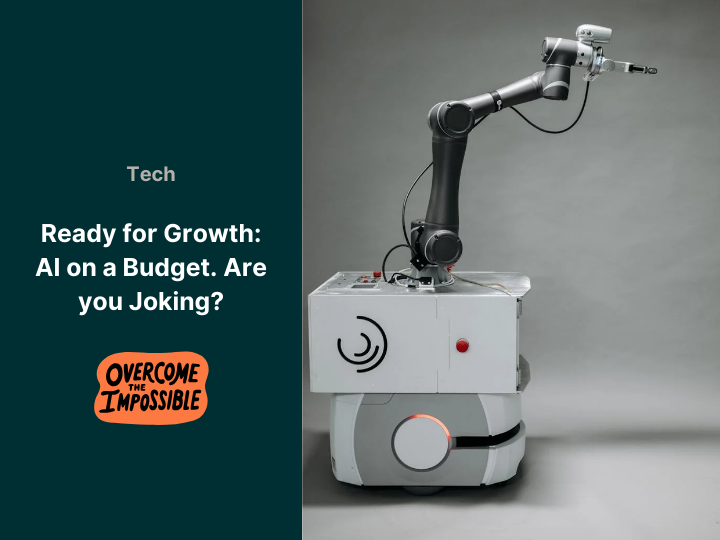
The Internet of Things (IoT) has enabled the deployment of smart sensors that can monitor air quality, water pollution, and soil health in real-time. Next, these sensors, placed in remote or tough spots, continuously feed data into centralized systems. Thus, they improve the accuracy of environmental assessments.
3. Artificial Intelligence (AI) for Predictive Analytics
AI has become a powerful tool for analyzing vast amounts of environmental data. By using machine learning algorithms, AI can predict trends in climate change, forecast natural disasters, and optimize resource management. Moreover, AI-driven platforms help streamline the interpretation of complex environmental data, making it easier to take proactive measures.
4. Drone Technology
Drones equipped with advanced sensors can capture high-resolution images and data in hard-to-reach areas, such as rainforests or coastal zones. For example, these devices allow scientists to conduct environmental assessments quickly and cost-effectively. Also, they cover large expanses of land with minimal manpower. 
Is £6m Government Investment Enough?
The UK government’s £6m allocation for 19 innovation projects to monitor environmental change is a commendable step forward, but is it enough? While this funding is a positive signal, the environmental challenges we face are monumental, from global warming to biodiversity loss.
The Significance of Government Funding
Government investment is essential to catalyze innovation, particularly in environmental sectors where R&D costs can be high. For instance, funding often kick-starts projects that otherwise wouldn’t gain traction. Thus, it supports advancements in new technology that can scale widely.
The Debate Over Adequacy
£6m spread across 19 projects may not seem like enough to significantly impact long-term sustainability. However, strategic investments can lead to breakthroughs that grow beyond their initial scope. Take carbon capture technologies, for example—early government funding sparked its R&D, and now private sectors are expanding it. Moreover, government funding sends a clear message to the private sector: sustainability matters, and their role is key. Ideally, the £6m acts as a starting point for bigger investments and collaborations.
The Future of Green Innovation
As we innovate in environmental monitoring, government investment must grow to match climate change threats. Technologies like AI, IoT, and satellite imaging will evolve, offering sharper insights. However, public funding remains crucial for scaling these tools. 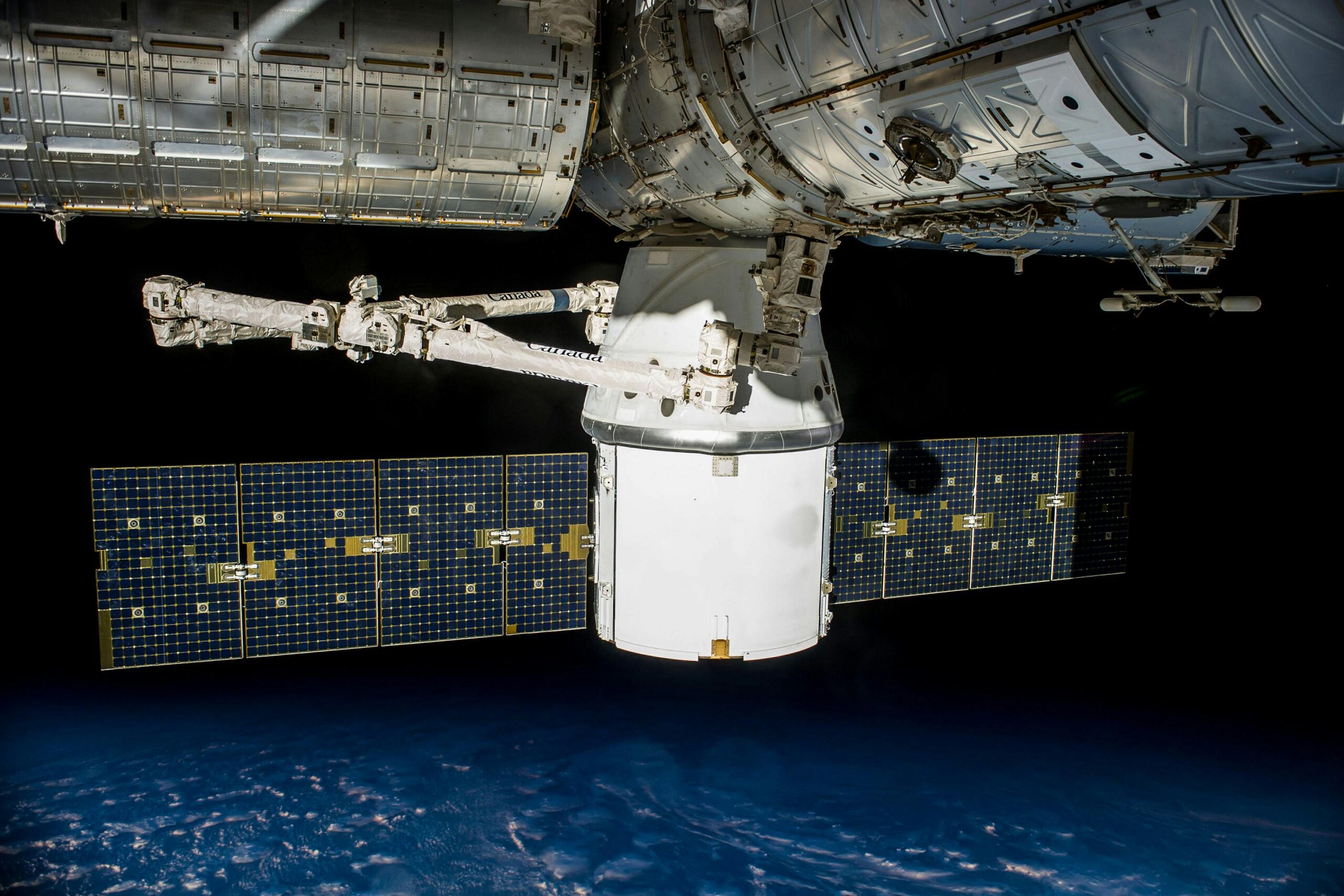
Potential for Increased Funding
The UK government’s recent funding could inspire more investment, especially if these 19 projects show results. Next, collaborative efforts between governments, industries, and academia will be vital to scale innovations tackling climate change. Overall, the £6m investment for 19 environmental monitoring projects is a solid first step. With cutting-edge tech like IoT, AI, and drones leading the way, these projects could offer big insights. However, continued funding and teamwork are essential for a sustainable future. Reference: Innovate UK. (2024, October 4). £6m for 19 innovation projects to monitor environmental change. Learn more about satellites in climate monitoring here.