





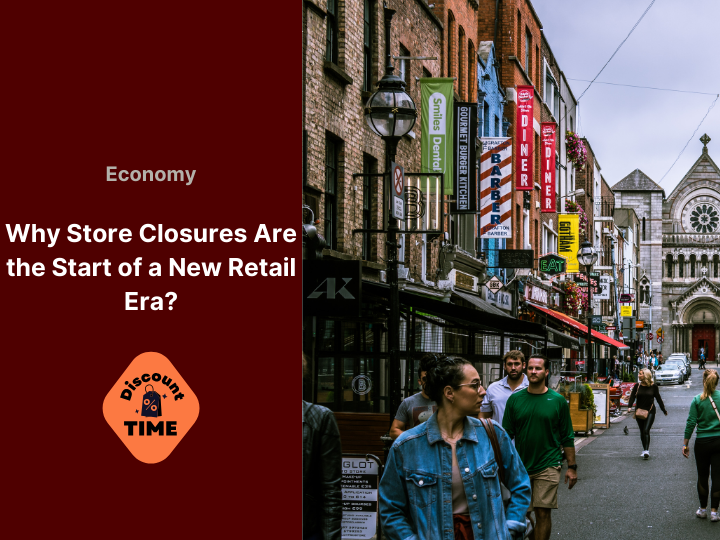
“Store Closing” signs have become a common, even expected, sight on our high streets. With online giants and shifting consumer habits, it’s easy to assume this is a sign of a failing economy. But what if it’s not? What if these closures are a signal of a massive evolution in how we shop, live, and interact with the world? Buckle up, because we’re about to take a deep dive into the world of retail data, revealing what these shifts truly indicate about economic patterns, consumer preferences, and what might lie ahead.
The Domino Effect of Store Closures
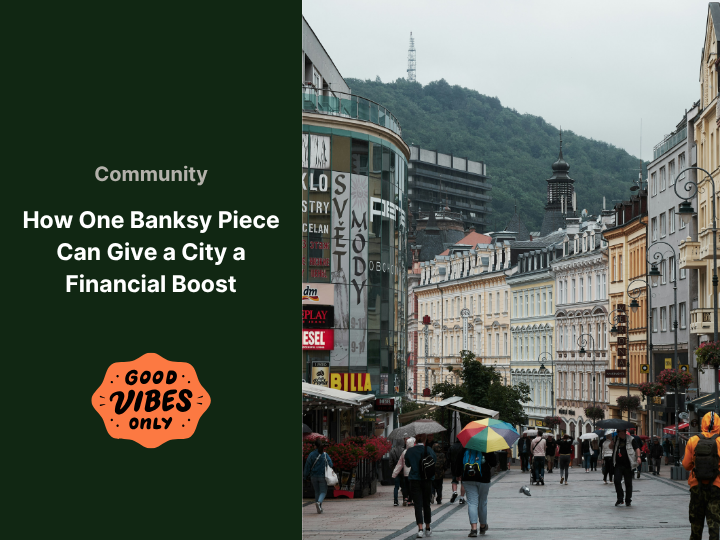
When a shop closes, it’s more than just an empty storefront; it creates a ripple effect throughout the economy. In the UK, for example, over 17,500 shops closed in 2020 alone, impacting thousands of jobs and affecting the local economy in major high street areas. 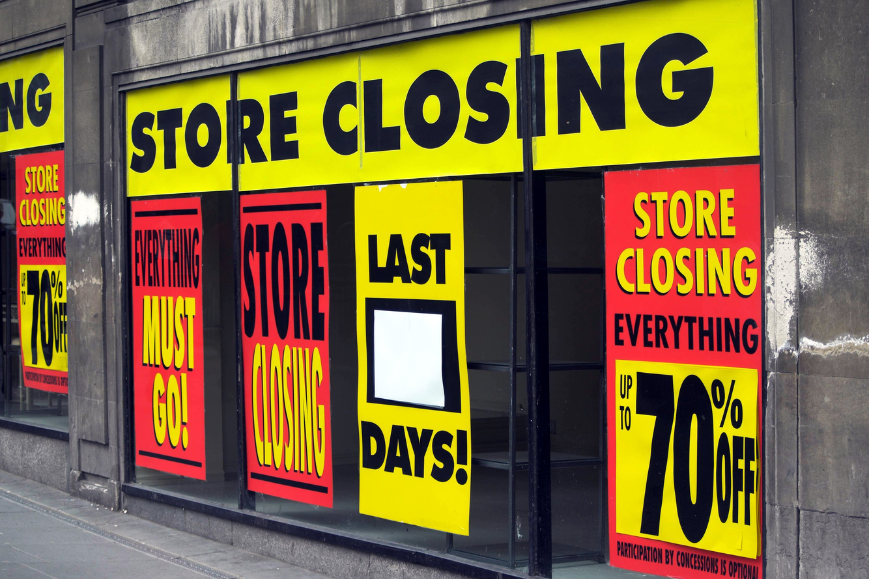 However, not all closures spell doom and gloom. They can also reflect a positive trend: money and workers are moving toward more innovative and sustainable retail models. Think of flexible pop-up shops , curated online marketplaces, and engaging experiential retailing. Many big retailers are closing some physical locations to invest more in their online presence and upgrade their remaining stores with new technology.
Tracking the Trends
Understanding retail closures gives us incredible insight into broader economic trends. Companies and government agencies use advanced data tracking to monitor these shifts. They combine sales figures, foot traffic analysis, and other economic indicators to create a comprehensive picture. Interestingly, we see a clear link between store closures and technology adoption. Businesses that have failed to integrate modern tech—like AI, cashless payments, and smart inventory systems—are finding it harder to survive. On the other hand, retailers who embrace technology often see major benefits, from a better customer experience to increased sales, helping them avoid closure altogether. 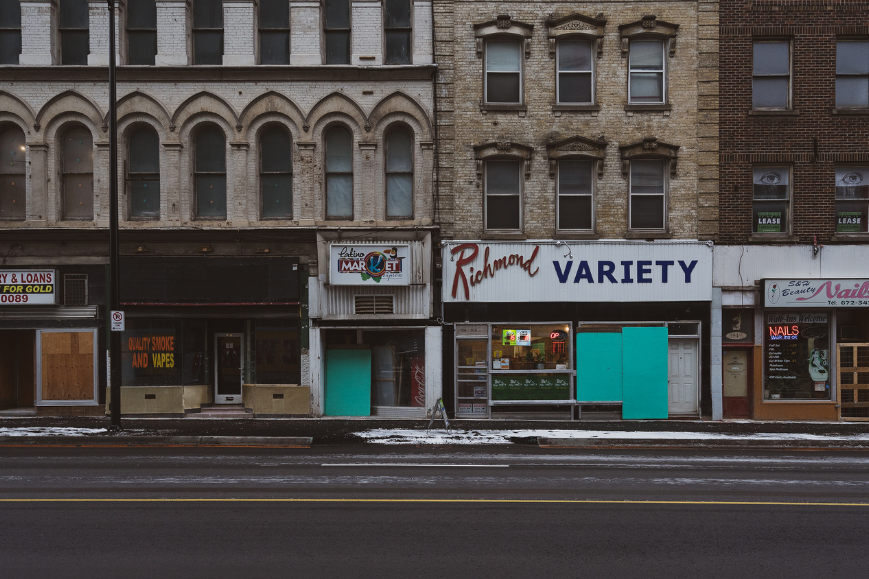
Why Are Some Retailers Thriving Amidst the Closures?
While many businesses face challenges, some aren’t just surviving—they’re thriving. Brands like Amazon and Shopify are perfect examples, succeeding by leaning into e-commerce, using data to understand their customers, and prioritising convenience. To stay competitive, retailers need to create a seamless shopping experience, whether you’re browsing online or in a physical store. 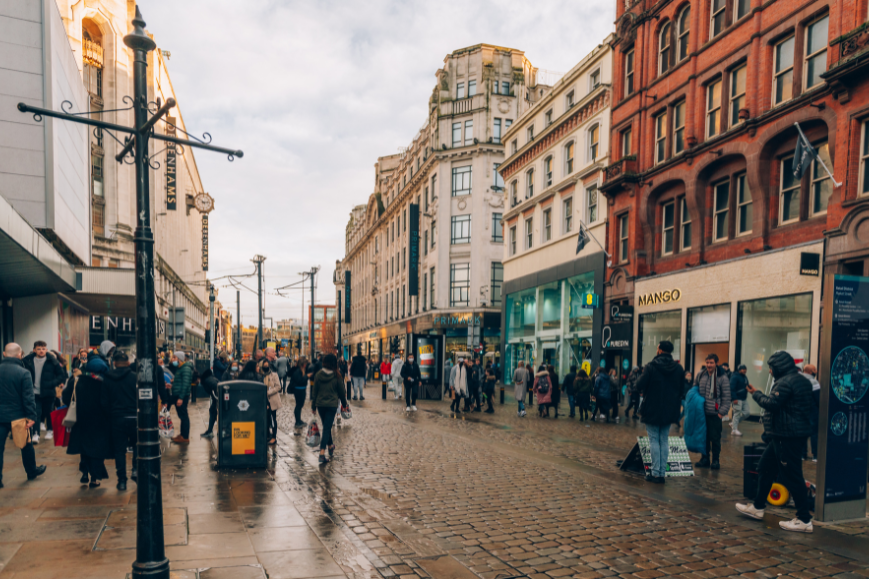 Consumer behaviour has also changed. People are spending more on experiences than products, which is pushing retailers to get creative. Stores that focus on making shopping an event—with in-store workshops, personalised services, and interactive tech- are capturing this growing market. Take Nike, for instance, which has transformed its stores into community hubs with personalisation stations and a dedicated app to enhance the in-store experience. In a similar vein, Dyson’s demo stores invite customers to test out their products on different surfaces and get complimentary styling sessions for their hair care technology. These tactile experiences can’t be replicated online.
Predicting the Future with Data
The data from retail closures is more than just history; it’s a powerful tool for predicting future trends. By tracking closure patterns, analysts can spot potential weak points in the economy and anticipate which regions or industries might need support. Governments and investors rely on this information to make smart decisions. A city might use it to launch a revitalisation program for a struggling area. A retailer like Nordstrom even created its “Nordstrom Local” concept, which is a small, service-focused hub with no inventory, based on this shift towards convenience and experience over traditional sales. 
The Retail of Tomorrow: Adapt or Evolve
The future of retail is all about change and adaptability. While online platforms will continue to grow, physical stores won’t disappear. Instead, they’ll evolve, focusing on a hybrid model that blends digital convenience with a personal touch. As smart technology becomes a more intricate part of our lives, our shopping experiences will become more integrated and personalised. So the next time you see a “Store Closing” sign, remember it’s not just an end—it’s a transformation. And by understanding this data, you can get a sneak peek into the economy’s pulse and the future of shopping. What do you think is the biggest driver of change in retail today? Share your thoughts in the comments below!