




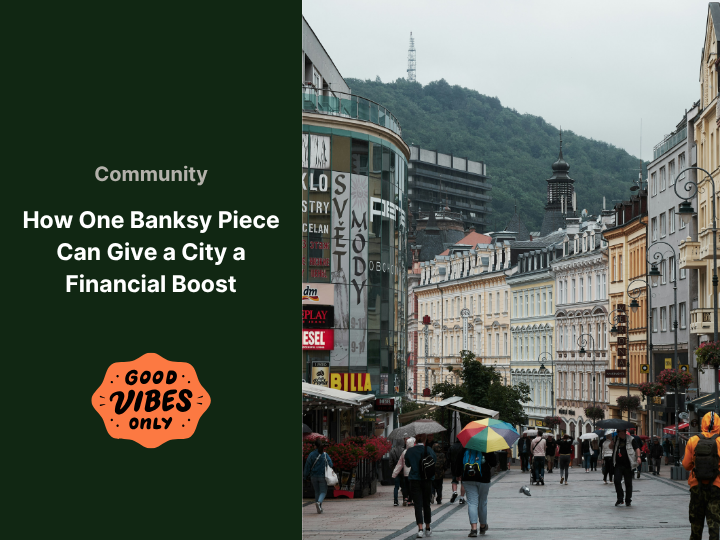
What if a single, spray-painted wall could be worth more to a city than a new shopping mall? While it may seem like a spontaneous act, a viral event like a new Banksy display can be a powerful catalyst for economic growth. These fleeting moments, from hidden art installations to surprise pop-up shops, don’t just generate buzz; they directly drive tourism, boost local businesses, and create tangible economic value for a city. This post breaks down how unexpected, viral events lead to real-world economic upsides. 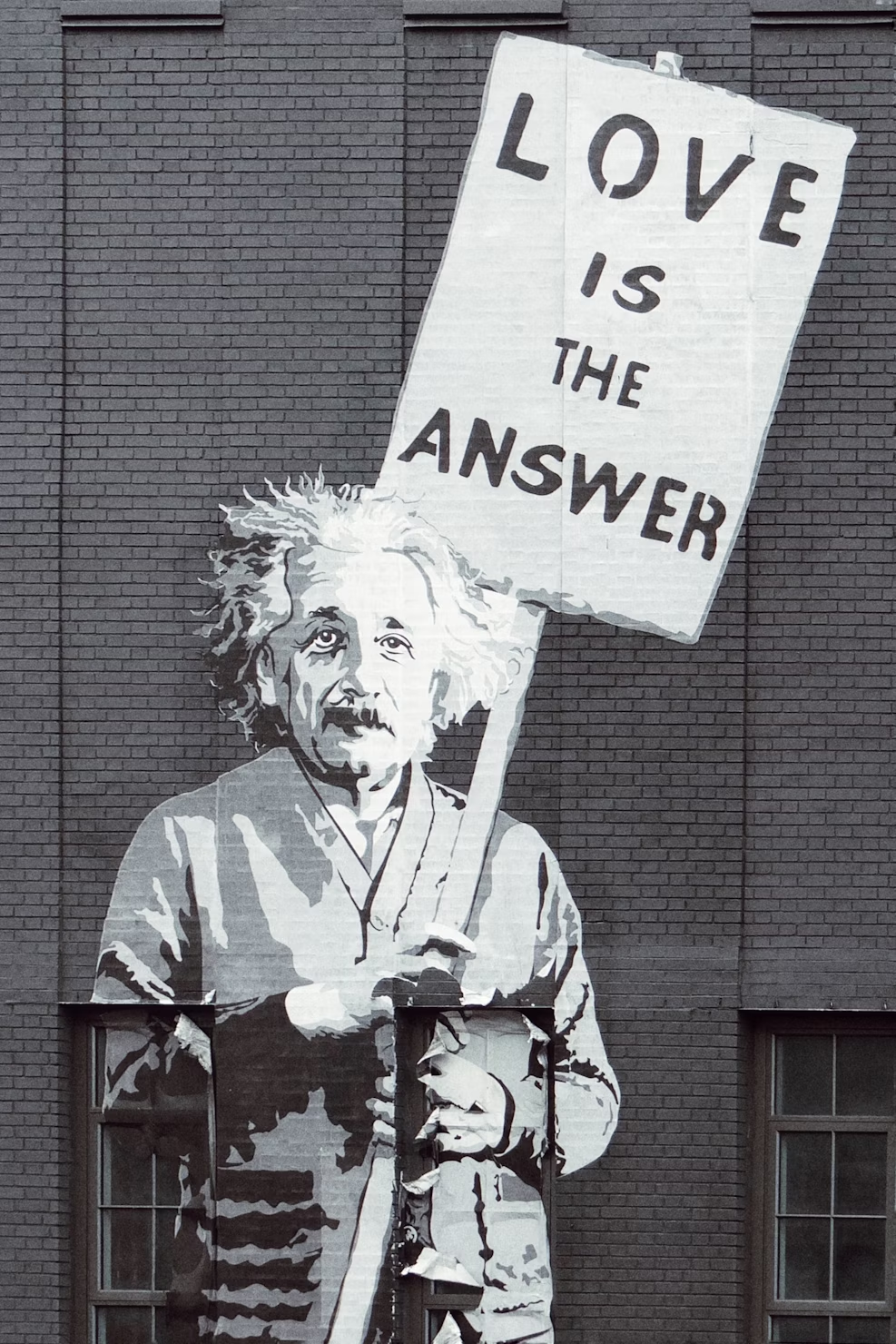
The Banksy Effect: A Case Study in Economic Impact
A viral event is anything that achieves sudden, widespread popularity, capturing massive public and media attention. A new Banksy piece is a perfect example. Its rapid spread across social media and news outlets can quickly be monetised by local businesses. These events create an immediate economic lift in two main ways:
- Tourism Influx: A viral event acts as a powerful magnet, drawing visitors who spend money on hotels, food, and transportation. These visitors, who might not have otherwise come to the area, often book flights and accommodations well in advance
- Job Market Stimulation: The sudden increase in tourists and local patrons creates a demand for staff. This can lead to temporary or even permanent job opportunities in retail, hospitality, entertainment, and security.
Banksy’s projects have been the subject of formal economic studies. For example, a 2011 Guardian article explained how the city of Bristol has embraced his work due to its cultural and economic value. As the World Socialist Web Site reported, one of Banksy’s exhibitions was credited by a city official with having an ‘estimated £15 million economic impact’ on the city. Researchers found this ‘Banksy effect’ creates a lasting cultural identity that can boost the long-term value of a location. 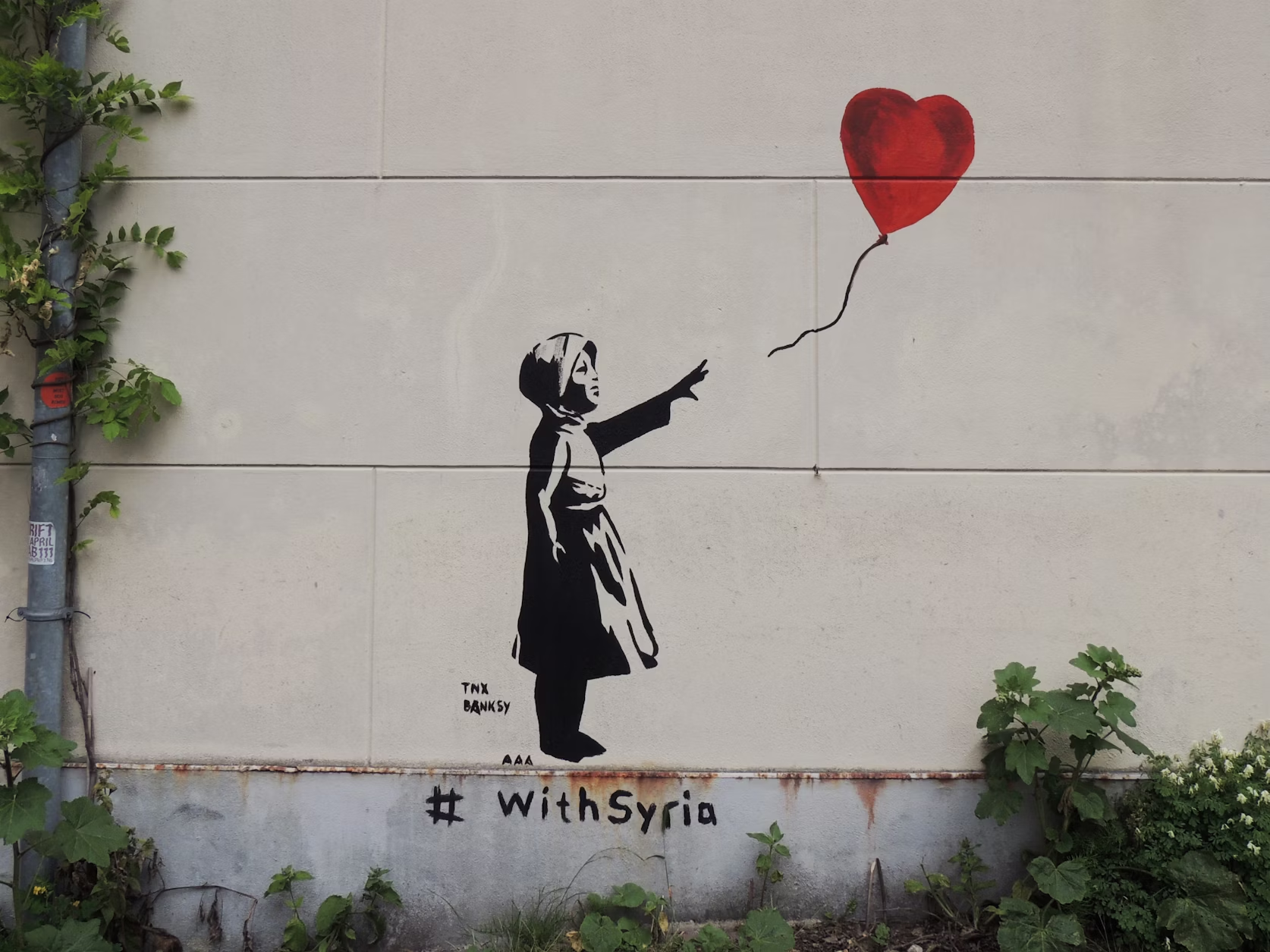
Beyond Tourism: Broader Economic Upsides
The benefits of a viral event extend far beyond the initial tourist rush.
- Boosted Local Businesses: When Banksy opened his bizarre “Gross Domestic Product” pop-up in London, nearby cafes and pubs didn’t just serve event-goers; they saw an overall increase in patronage. This ‘halo effect’ often leads businesses to innovate, just like brands built on hype and scarcity, such as Supreme and Nike, capitalise on viral moments.
- Property Value Increase: The presence of a high-profile artwork can directly affect real estate. In Bristol, properties near Banksy’s artworks have seen their values increase. This isn’t just a temporary bump; it’s a long-term appreciation tied to the cultural significance of the art.
Today, a viral event’s success hinges on media coverage. Social media platforms like Instagram and TikTok act as immediate amplifiers, turning a local happening into a global phenomenon. News outlets then pick up this digital momentum, maintaining interest long after the initial event itself.
Making It Last: From Fleeting Moment to Lasting Legacy
While the initial economic spike from a viral event is powerful, the real goal is to turn that momentum into a long-term benefit. This requires strategic thinking from city planners and local businesses. They can use the increased revenue to improve public spaces, making them more attractive for future events, or leverage past success in marketing to attract new customers and collaborators. 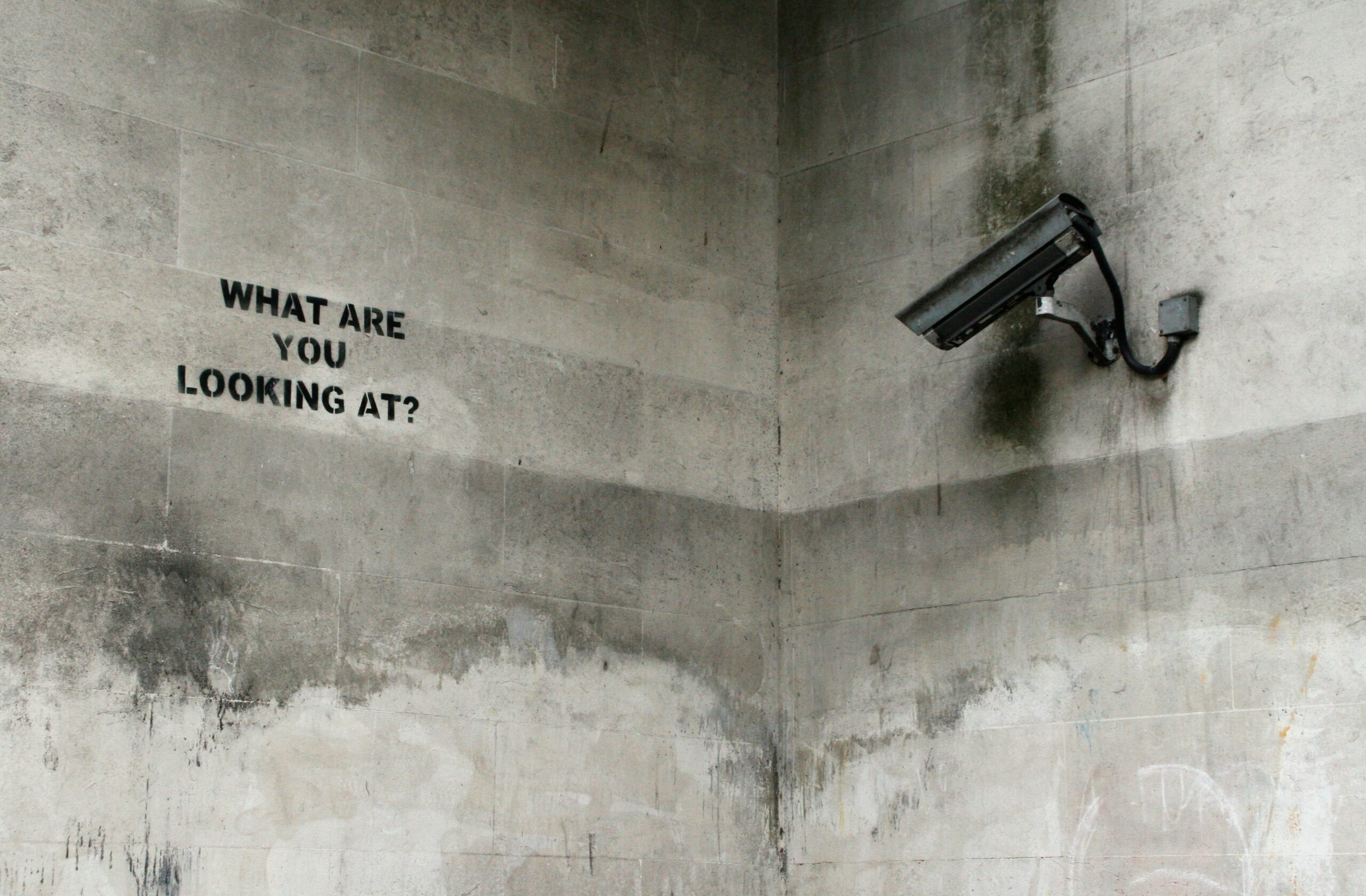 Ultimately, viral events are more than just fleeting entertainment. They are powerful engines of economic growth that inject cash, create jobs, and build cultural value. So next time a new piece of street art appears overnight, remember that a vibrant local economy might be getting a serious financial boost.