






Are companies missing opportunities without quick access to policy changes? In the fast-paced realm of business, adapting to new regulations swiftly can mean the difference between thriving and failing. Businesses need to stay on top of policy shifts to avoid costly pitfalls and seize new opportunities. Thus, having real-time data on policy announcements isn’t just a luxury; it’s a necessity. In this article, we will unveil the significant benefits businesses can gain from real-time policy impact data. We will dive deep into how this data can optimise decision-making and provide a competitive edge.
How Policy Impact Data Affects Businesses
No industry is immune to the impact of new policies, whether it’s tech, manufacturing, or finance. Policies can affect taxation, environmental regulations, data protection, and countless other areas. Without careful attention, a slight nod in legislation can dramatically shift market conditions. For instance, tech companies heavily rely on regulations concerning data protection. The introduction of the General Data Protection Regulation (GDPR) in 2018 sent ripples across the digital world, requiring companies to overhaul their data handling processes. Businesses that adapted quickly were able to minimise disruption. Conversely, those who lagged faced hefty fines and loss of trust. This risk is more real than ever. In 2024, the total value of global regulatory fines soared to a record-breaking $19.3 billion. A prime example is TD Bank, which faced a $3 billion fine from U.S. regulators for anti-money laundering violations. Additionally, the European Union fined Apple nearly $2 billion for antitrust violations related to its App Store policies. These figures underscore the massive financial consequences of regulatory missteps.
Real-Time Data: A Critical Tool for Competitive Advantage
Imagine being the first to know about policy changes affecting your industry. Real-time data provides this edge. It enables companies to anticipate changes rather than merely react to them, allowing for strategic planning and adjustment. Recent studies highlight the transformative power of real-time data. A 2024 report by the MIT Centre for Information Systems Research found that companies with “real-time-ness” had 62% higher revenue growth and 97% higher profit margins than their slower competitors. These businesses leverage real-time data to adjust operations promptly, align marketing strategies accordingly, and, ultimately, enhance customer satisfaction by staying one step ahead. 
Decision-Making Enhanced by Real-Time Policy Impact Data
Quick and informed decision-making becomes considerably more manageable with real-time policy updates. Executives and managers can rewrite policies or adjust strategies swiftly without the lengthy lag traditional processes entail. This agility is key in a fast-paced business environment. Moreover, businesses can effectively manage risks associated with sudden policy changes. Real-time data allows them to conduct instant risk assessments, developing contingency plans that can neutralise adverse effects on operations. Instead of reacting to a crisis, this allows companies to be proactive. For example, a sudden policy announcement related to tariffs can create significant operational roadblocks in supply chain management. However, with real-time updates, companies can immediately reroute logistics, adjust procurement strategies, and even pass on information to customers to mitigate impacts on delivery times. This ability to pivot quickly is a significant competitive advantage. 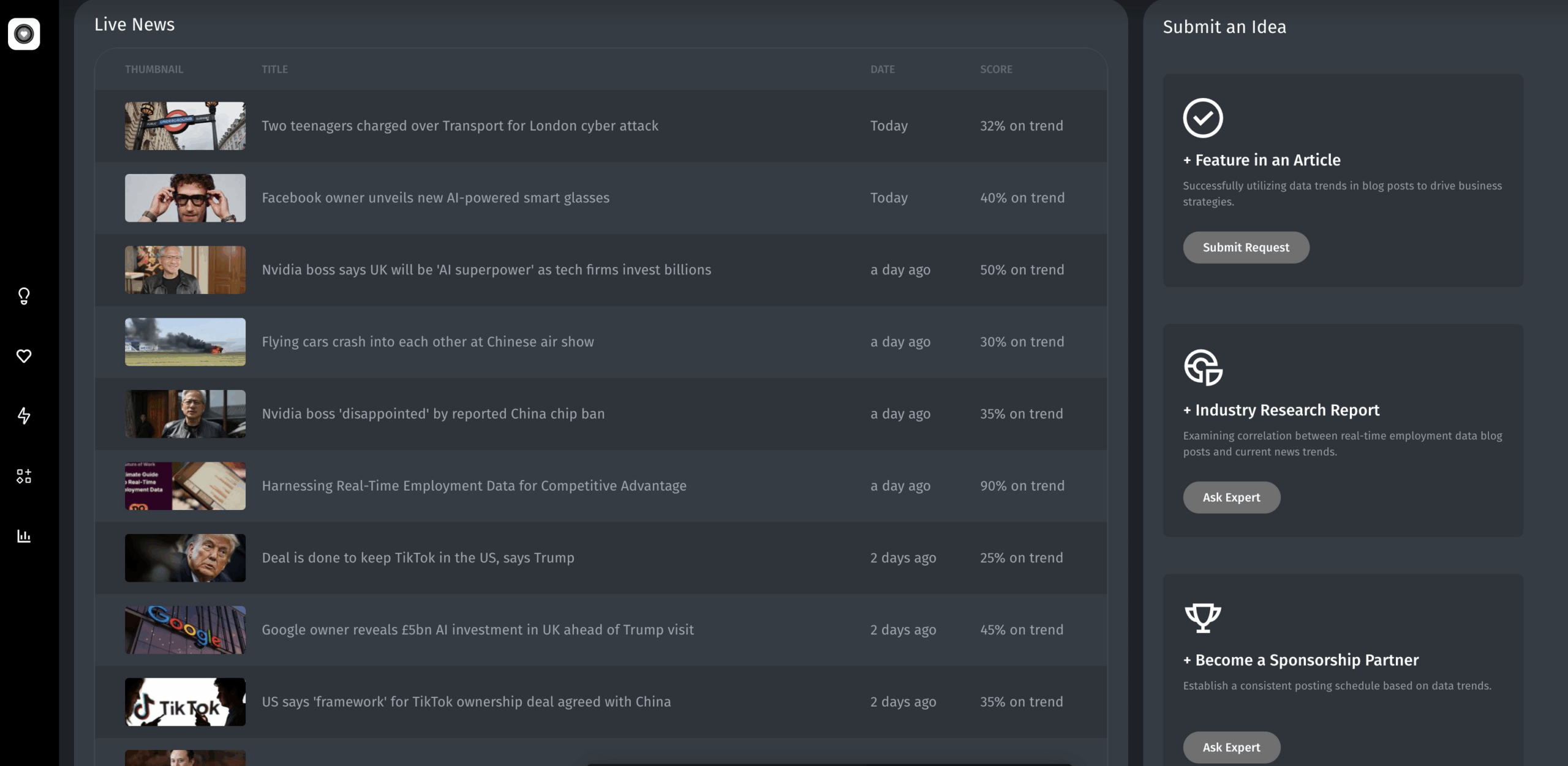
Strategic Planning Powered by Real-Time Analytics
Companies that integrate real-time policy impact data into strategic planning are better equipped to craft more resilient long-term strategies. With continuous updates, businesses can reassess their goals, reallocate resources accurately, and explore new investments that align with the current regulatory environment. This strategic acuity is especially vital for sectors like finance and healthcare, where regulatory compliance is both stringent and crucial. For example, financial technologies adjust lending criteria and assessment models based on policy shifts, thus optimising risk management and consumer targeting. Did you know that real-time policy data also plays a significant role in mergers and acquisitions? Timely insights into policy changes relevant to antitrust laws can make or break a deal’s success.
Staying Ahead of the Competition
In today’s market, the victor isn’t just the one who innovates but who innovates with precision and speed. A 2024 Gartner survey revealed that 94% of respondents expect their data and analytics functions to play a pivotal role in their organisation’s success. Utilisation of real-time policy data accelerates product development cycles by ensuring compliance from the ground up. It facilitates faster market entry by circumventing bureaucratic red tape while reducing compliance risks significantly. 
Why You Should Embrace Real-Time Data
Missing even a minor policy change can have extensive repercussions. Questions of compliance and relevance should never fall on depreciated data. Thus, investing in real-time policy impact data is imperative for any business looking to secure its future and outpace rivals. The need for real-time intelligence is more pressing than ever, promising not just survival but growth in an ever-changing world. So take the leap, embrace this new frontier of business intelligence, and watch your organisation thrive.