





Have you ever felt like you’re the last to know about major economic shifts, especially when it comes to the job market? We often hear about hiring slowdowns or layoffs long after they’ve started. But what if you could become a proactive “economic detective” and spot these trends before they hit the headlines? The secret to sensing these changes lies in the vast ocean of online data. In this article, we’ll dive into the world of real-time digital indicators and show you how to leverage this information. We’ll arm you with the tools and techniques to track and analyze online data, making you an expert at understanding the subtle shifts in the job market. You’ll learn to use everything from online job boards to AI-powered data analytics, and we’ll even explore how to naturally integrate affiliate opportunities through platforms like Skimlinks.
The Power of Online Job Postings
One of the earliest signs of a hiring slowdown is often a decrease in online job postings. Job boards like Indeed, LinkedIn, and Glassdoor are rich sources of real-time job advertisement data. When companies foresee economic headwinds, they are likely to pause or slow down new job listings. Analysing these trends can offer predictive insights, often weeks or months before official figures make it to the news. 
Tracking Social Media Chatter
Social media platforms aren’t just for influencer selfies and memes; they can be goldmines for economic indicators. Beyond official channels, social media offers a powerful, unfiltered look at the job market. On LinkedIn, a sudden increase in posts from recruiters about ‘company restructuring’ or ‘hiring pauses’ can signal a wider shift. On X (formerly Twitter), tracking hashtags like #hiringfreeze can show real-time sentiment from employees and industry insiders. 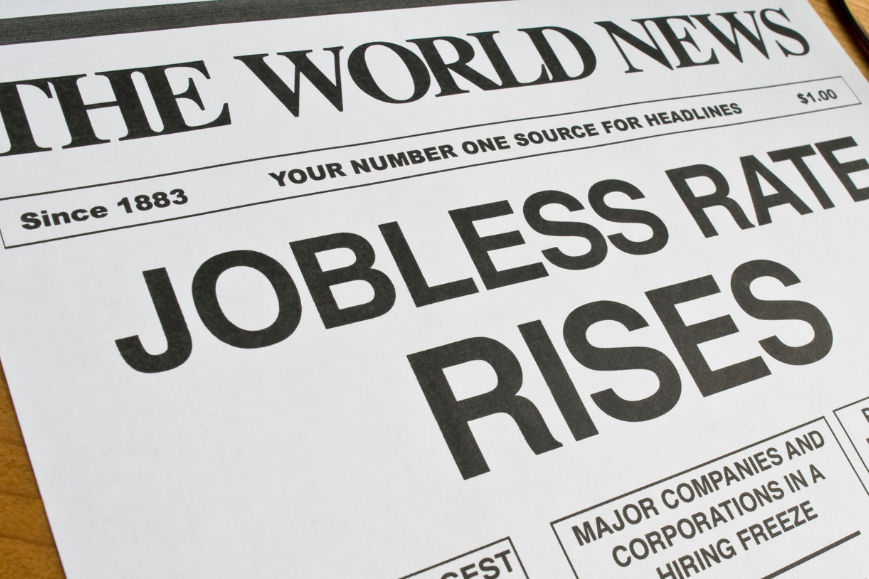
Understanding Web Traffic Patterns
Ever considered how shifts in web traffic might signal hiring trends? When fewer people look at a company’s career page, it might indicate a slowdown in recruitment efforts. Analysing web traffic patterns using tools like Google Analytics can provide insights into how often job seekers visit these pages. A consistent decline might flag a potential hiring slowdown. Remember, companies do not promote postings when they’re not actively hiring, thus inviting fewer visitors. Suggested Image: An illustrative chart comparing website traffic volumes over time.
Indicators from Online Reviews
Reading reviews might help you pick a good restaurant, but it can also signal economic shifts. Platforms that host employee reviews, such as Glassdoor and Indeed, provide insights that can reflect hiring intentions. Increase in negative reviews, mentions of budget constraints, or reduced engagements often mirror hiring plans. While subjective, when these reviews increase in frequency, it suggests all may not be well internally. 
The Role of Big Data and AI
Advanced technology offers a cutting-edge lens through which we can observe hiring trends. Big Data and AI technologies mine vast amounts of online data to highlight patterns and anomalies. Tools like predictive analytics can process millions of job-related data points to forecast slowdowns. This predictive power increases accuracy, offering a clearer picture than sporadic media reports.
The Magic of Employee Turnover Rates
Beyond just spotting a drop in new job openings, you can also look at why people are leaving existing ones. Employee turnover rates can offer a powerful clue about a company’s health. Data from professional networks like LinkedIn or industry reports can provide insights into employee retention. For example, according to a Gallup study , companies that provide regular feedback to employees report 14.9% lower turnover rates than those that don’t. This statistic reinforces the connection between a company’s internal health (reflected in its turnover rate) and its overall stability, which directly impacts hiring decisions.
LinkedIn and Other Professional Networks
Professional networks serve as online meeting places for workforce insights. LinkedIn updates about trending skills, fluctuating job postings, and user activity changes are valuable cues. A decrease in certain job ads coupled with increasing connections can indicate shifts in hiring patterns. Engaging with these platforms enables proactively gauging employment landscapes.  Overall, online data doesn’t just whisper about hiring slowdowns, it practically shouts. By keeping an eye on job boards, social media, web traffic, and even employee reviews, you can become an economic detective in your own right. With AI and Big Data tools by your side, you’ll have your finger on the pulse of hiring trends long before they make it to the evening news. It’s exciting to know you’re about to know today what everyone else might find out tomorrow!