





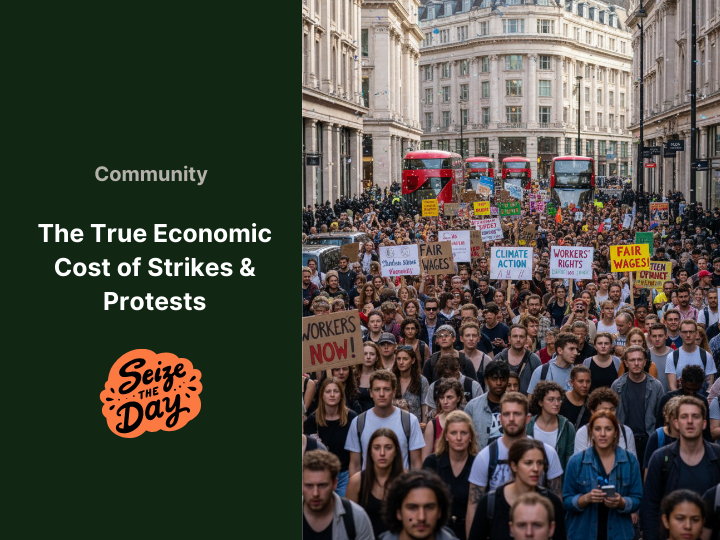
Have you ever stopped to ponder the true economic impact that strikes and protests have on our daily lives? These events often lead to traffic disruptions, business closures, and political shifts. In the grand scheme, they can leave fingerprints on the economy that are deeper than we might initially realise. Throughout this article, we’ll unravel how strikes and protests affect the economy, potentially changing everything from local businesses to national economic health.
Understanding the Causes and Effects of Strikes and Protests
Strikes and protests often result from dissatisfaction. Employees voice their grievances when negotiations fall short. Similarly, public protests highlight political or social issues, aiming to sway public opinion and policy-making. Clearly, the significance of these events lies in how they attract widespread attention and pressure decision-makers to take notice. 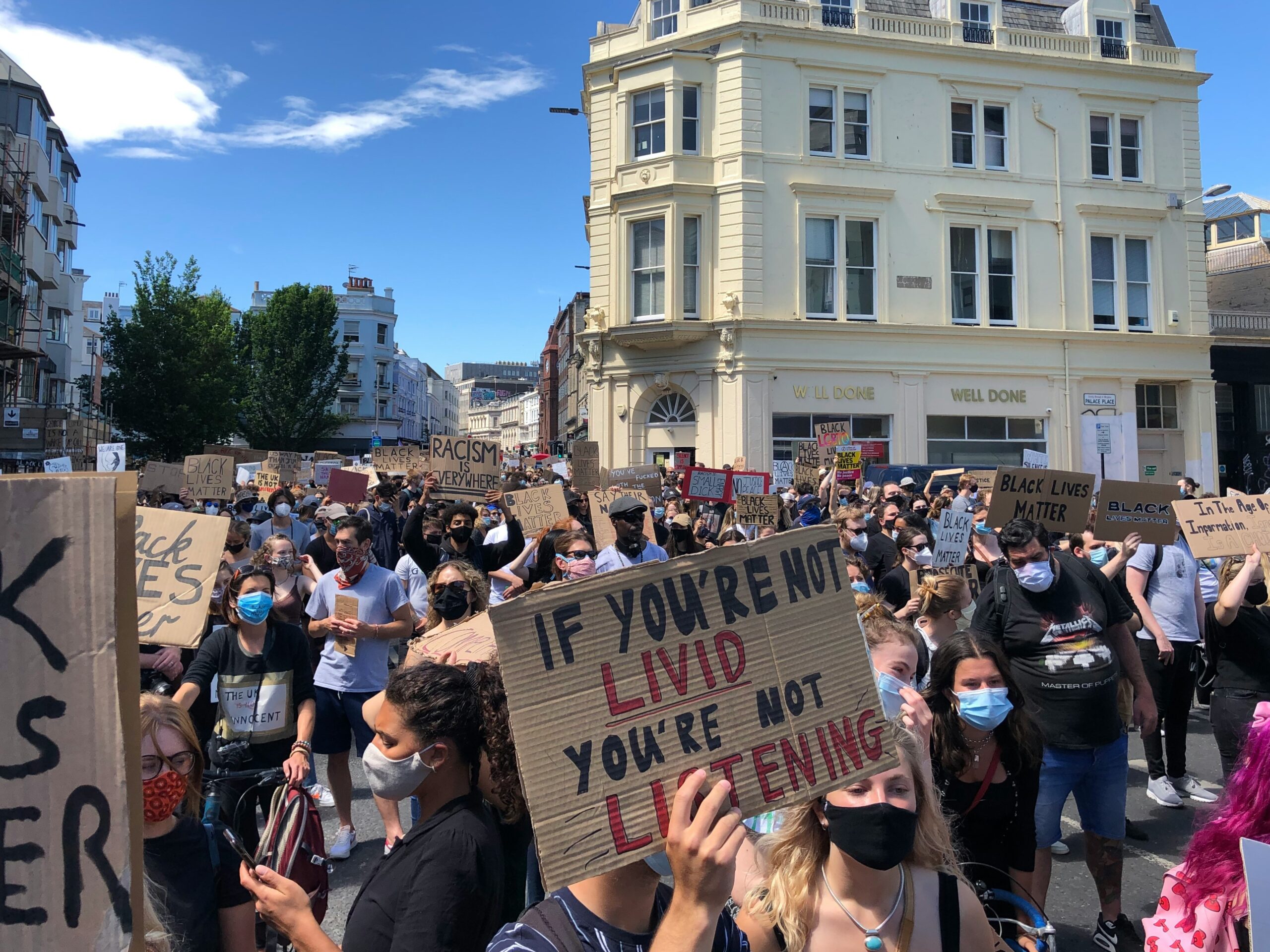 These actions represent powerful democratic expressions. However, they also inject economic uncertainty. For instance, when London Underground workers go on strike, it costs the city’s economy approximately £48 million per day. That’s a hefty sum that reflects not just lost revenue but also reduced economic activity and productivity. Likewise, the protests in France against pension reform shed an estimated £1 billion in losses, demonstrating their capacity for significant economic disruption.
Did you know that the “Yellow Vest” protests in France, which began in late 2018, caused an estimated loss of several billion euros to the French economy due to retail closures, tourism decline, and property damage?
Short-term vs Long-term Economic Impacts
Typically, strikes and protests initiate immediate economic changes. They cause temporary business shutdowns, resulting in short-term revenue losses. Take, as an example, the widespread retail closures ahead of large protests, which result in declining sales and disturbed supply chain logistics. Short-term impacts, nevertheless, don’t end there. When businesses close their doors, employees might find themselves out of work temporarily. This affects household incomes and spending power, leading to a ripple effect on local economies. But that’s not all; disruptions can also lead to costly repairs and insurance claims for any damage to properties or infrastructure. On the flip side, some changes linger for the long haul. If strikes prompt businesses to reconsider investment or expansion plans, economic growth may stall. Political instability showcased through persistent protests can erode investor confidence. Repeat disturbances signal economic risk, potentially causing foreign investors to seek more stable environments. For instance, a study by the National Bureau of Economic Research found that politically motivated protests can lead to a significant decrease in foreign direct investment in affected countries.
The Opportunity Costs of Strikes
While discussing the economic cost of strikes, one cannot overlook opportunity costs. Resources such as time and capital can be spent more productively elsewhere. Business leaders and political figures involved in resolving disputes could dedicate those efforts to growth initiatives if it weren’t for the strikes. In terms of public resources, police and emergency services rack up additional costs ensuring safety and order during protests. Estimated opportunity costs can be staggering. For instance, in 2019, the grand economic cost of protests over changes to Hong Kong’s extradition law topped £17.4 billion. These funds could’ve arguably furthered public projects or economic developments. Additionally, increased law enforcement and public service demands translate to higher taxes or cuts in other essential services.
Statistical Impacts on GDP and Employment
Though individual events may seem minor, collectively, their impacts on GDP and employment can be discouraging. Strikes that affect crucial industries like transportation or energy supply pose significant threats to national economic performance. With the UK seeing a 4.35% drop in GDP due to industry strikes in 1979, modern events echo similar worries. Historically, the 1980 Polish strikes, leading to the rise of the Solidarity movement, had a profound impact on the centrally planned economy, highlighting how widespread industrial action can significantly alter a nation’s economic trajectory. The employment landscape also feels these shocks. A protest or strike halts productivity, impairs normal business operations, and sometimes provokes layoffs. In extreme cases, businesses might choose to automate processes as a response, reducing job opportunities for workers. 
Balancing the Scales: Measures to Mitigate Economic Costs
Despite the challenges, solutions exist to counter the economic fallout from protests and strikes. Building resilient and adaptive supply chains is one approach. Businesses can minimise dependency on singular suppliers and regions by diversifying. Implementing flexible work policies and remote working options also mitigates disruptions. Furthermore, collaboration between government bodies and protest organisers can lead to more peaceful demonstrations. This cooperation reduces the need for significant force, leading to fewer damages and, by extension, economic savings. Additionally, cultivating constructive dialogue between labour unions and employers can preempt significant conflicts, preserving economic stability. While strikes and protests play crucial roles in social and political ecosystems, understanding their economic consequences is vital. Solutions provide pathways to balance the essential attributes of protests with the need for economic stability. This delicate balancing act determines not only immediate fiscal health but also long-term economic vitality for nations around the world.