





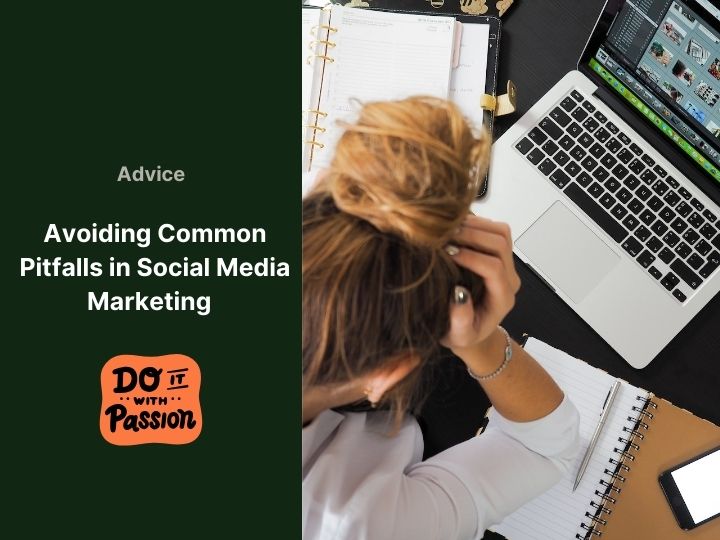
Social media marketing can level the playing field for small businesses, offering the chance to go viral and gain recognition. However, it’s not always smooth sailing; one misstep can lead to lost followers and damaged reputations. In this post, we’ll explore common social media mistakes and provide actionable steps to help you avoid them, grow your audience, and build a stronger online presence.
1. Overextending Across Platforms
It might seem like a good idea to be present on every social media platform—after all, more platforms mean more exposure, right? However, trying to manage accounts on Facebook, Instagram, Twitter, YouTube, TikTok, and others can spread you too thin. High-quality content takes time and effort, and when you’re juggling too many platforms, quality often suffers. Imagine trying to keep up with daily posts across all these channels—it’s exhausting and can lead to generic or rushed content that doesn’t resonate with your audience.
Actionable Steps:
- Audit Your Platforms: Use analytics tools like Google Analytics, Facebook Insights, or Instagram Insights to identify which platforms drive the most engagement.
- Focus on Your Audience: Determine where your target audience spends the most time. For example, if your audience is young and visual, prioritize Instagram and TikTok. If they’re professionals, LinkedIn might be more effective.
- Create a Content Calendar: Plan and schedule posts in advance to maintain consistency without overwhelming yourself.

2. Constant Self-Promotion
Yes, social media is a fantastic tool for promoting your products, but if all you do is push sales, your followers might start tuning you out. People use social media to connect, learn, and be entertained—not to feel like they’re watching an endless infomercial. The key is to mix promotional posts with content that offers value.
Actionable Steps:
- Follow the 80/20 Rule: 80% of your content should educate, entertain, or inspire, while only 20% should directly promote your products or services.
- Share User Stories: Highlight how your customers use your products or services in real life. This builds trust and relatability.
- Provide Value: Share tips, tutorials, or industry insights that your audience will find useful. For example, if you’re a fitness brand, post workout routines or healthy recipes.

3. Ignoring User-Generated Content (UGC)
User-generated content (UGC) is when your customers create and share their own content about your brand. It’s a game-changer because it builds trust, boosts engagement, and provides authentic social proof.
Actionable Steps:
- Encourage Reviews: Ask satisfied customers to leave reviews on your social media pages or Google My Business.
- Create a Branded Hashtag: Develop a unique hashtag and encourage customers to use it when posting about your brand. This makes it easy to find and share their content.
- Run UGC Campaigns: Host contests or challenges that encourage customers to share photos or videos using your products. Offer incentives like discounts or shoutouts to participants.
- Repost UGC: Share customer posts on your own social media accounts (with permission). This not only builds community but also shows appreciation for your customers.

4. Failing to Engage with Your Audience
Social media is a two-way street. If you’re only posting content without engaging with your audience, you’re missing out on building meaningful relationships. Responding to comments, messages, and mentions shows that you value your followers and are willing to connect with them.
Actionable Steps:
- Respond Promptly: Aim to reply to comments and messages within 24 hours. Quick responses show that you’re attentive and care about your audience.
- Ask Questions: Encourage interaction by asking your followers questions in your posts. For example, “What’s your favorite way to use our product?”
- Host Live Sessions: Go live on Instagram or Facebook to answer questions, share updates, or showcase behind-the-scenes content.
5. Neglecting Analytics
Without tracking your performance, you won’t know what’s working and what’s not. Analytics provide valuable insights into your audience’s behavior, preferences, and engagement patterns.
Actionable Steps:
- Use Built-In Tools: Platforms like Instagram, Facebook, and Twitter offer free analytics tools. Regularly review metrics like reach, engagement, and follower growth.
- Identify Top-Performing Content: Analyze which posts get the most likes, shares, or comments. Use this data to refine your content strategy.
- Set Goals: Define clear objectives for your social media efforts, such as increasing website traffic or generating leads. Track your progress toward these goals.
6. Keep Going!
Social media marketing is a powerful tool for small businesses, but it requires strategy and effort to get it right. By avoiding common mistakes like overextending across platforms, constant self-promotion, and ignoring user-generated content, you can build a stronger, more engaged audience. Use the actionable steps provided to refine your approach and make the most of your social media presence.