





No more “Sorry we missed you” notes on the doormat
We’ve all been there, clearing your schedule, postponing lunch, even peeking through the curtains like a neighbourhood detective—only for the delivery to not arrive. Enter the smart doorbell: the gadget you didn’t know you needed until you had one. These clever little devices have become more than just a fancy bell at your front door. They’re reshaping how we interact with our homes, our deliveries, and yes, even that neighbour who always pops round at the wrong time.
But beyond the bells and whistles (pun absolutely intended), there’s a bigger conversation to be had. What happens when smart tech becomes everyday tech? What responsibility do companies have once they’re in our homes, not just on our shelves?
Let’s have a proper chat about smart doorbells, the clever tech behind them, and why it’s high time companies looked beyond the sale.
The Rise of Smart Doorbells: A Tech Lover’s Delight
Not too long ago, doorbells just ding-donged. Now? They see, speak, and sometimes even send footage to your phone when the postie drops off a parcel. Since the mid-2010s, smart doorbells have gone from a tech nerd’s dream to household staples, with tens of millions installed worldwide. 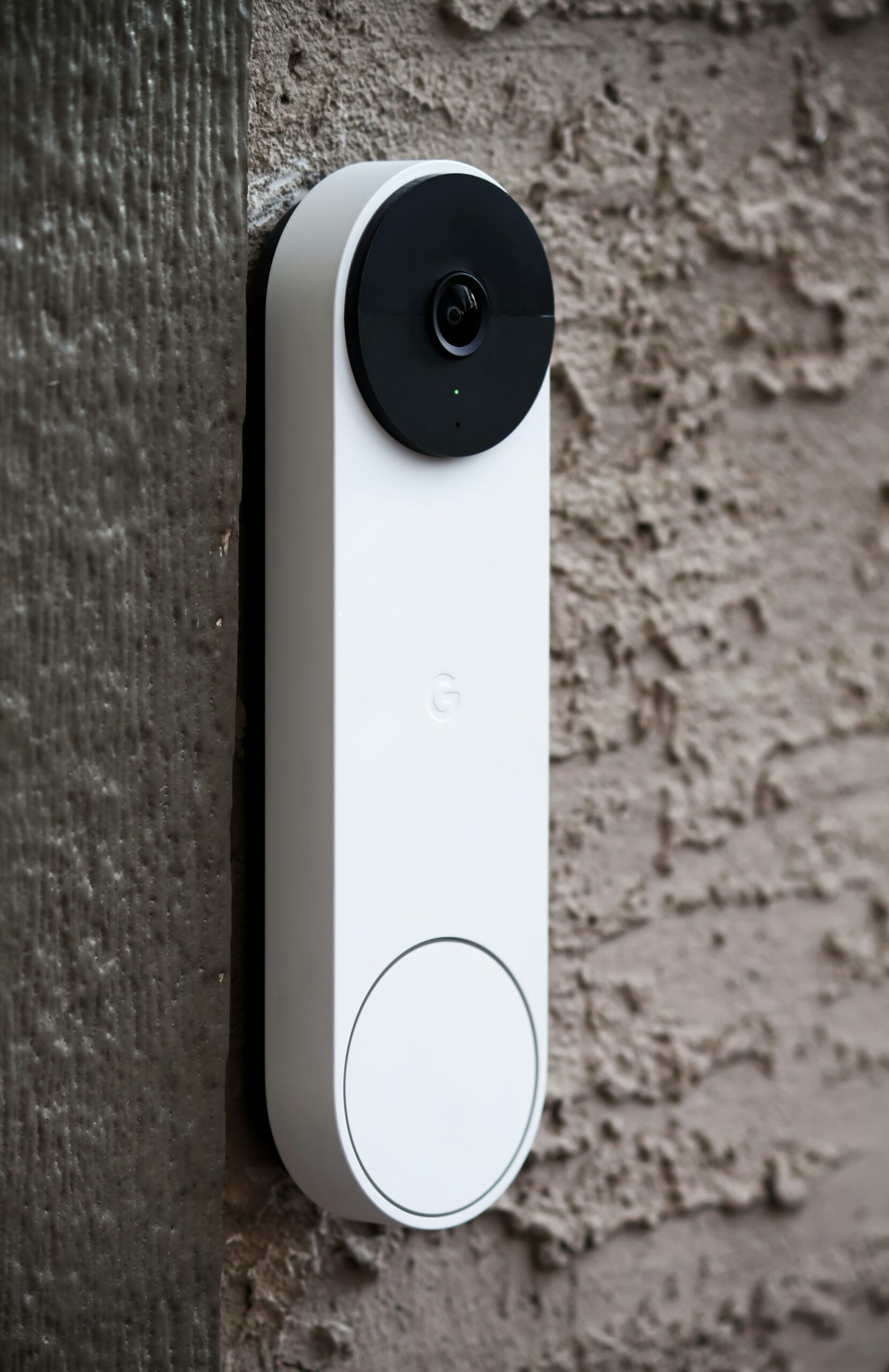 Why the boom? Simple. People love a gadget that gives them a sense of control. Being able to see who’s at the door, whether you’re home, on holiday, or hiding from a door-to-door salesperson, is undeniably appealing. And let’s be honest: there’s something a bit thrilling about talking to someone at your door while you’re in pyjamas two counties away. But the appeal runs deeper than novelty. With rising concerns about home security, privacy, and parcel theft, smart doorbells fill a very real need. They’re not just gadgets, they’re peace-of-mind machines.
The smarter they get, the more responsible companies must be
Now, here’s where things get serious. When tech becomes part of daily life—when it lives on your front door, sees your visitors, hears your conversations—then the companies behind it have a duty. It’s not enough to offer shiny features and subscription upgrades. Users need guidance, protection, and tools that genuinely improve their well-being.
Let’s look at three key areas where tech companies could be doing better.
1. Designing for real humans, not just power users
Have you ever read a product description and thought, “That sounds amazing… but what does any of it actually mean?” That’s a sign of design aimed at specs, not people.
Features like “3d motion detection,” “HDR imaging,” or “AI-powered object recognition” might sound impressive, but if a user can’t figure out how to use them without a YouTube tutorial, they’re not really helping anyone.
Ethical design means making things intuitive. It means thinking about the single parent juggling a toddler and groceries who just wants to know if that knock was from the takeaway driver or a salesperson. It means creating tech that works for grandparents who want to feel safe but aren’t fluent in app updates and Wi-Fi settings.
And it means reducing overwhelm. Some models offer up to 50 different settings just to manage notifications, hardly relaxing. Tech should simplify life, not add another item to your to-do list.
2. Helping people use the tech, not just buy it
A smart doorbell isn’t truly smart if it’s just sitting there, ignored, after installation. Companies need to step up with proper support, not just in the form of “Have you tried turning it off and on again?” but genuine user education.
Short, friendly videos. Helpful prompts in the app. Easy explanations of how features benefit you, the person living with the tech, not just stats for a product page.
Some companies are getting better at this. Eufy, for instance, makes a point of simplifying local storage explanations, helping users avoid extra costs and reduce reliance on cloud services. Others are offering tutorials for elderly users or those less comfortable with technology.
Still, many leave customers to fend for themselves. Once the doorbell is out of the box, you’re often on your own.
3. Encouraging responsible use, especially when it comes to privacy
Here’s a sticky topic: what shouldn’t your doorbell be doing?
In the race for features, it’s easy to forget that these devices record people, sometimes neighbours, sometimes strangers, often without their knowledge. Should companies be doing more to help users understand the privacy implications?
Absolutely.
There’s a fine line between feeling secure and becoming Big Brother. Some users point cameras across pavements and into gardens, not realising they’re crossing legal or ethical boundaries.
That’s where smart guidance matters. Notifications reminding users to angle cameras responsibly, or default privacy settings that avoid unnecessary overreach, would make a world of difference. As would be transparency around where data goes, how long it’s stored, and who can access it.
**

Top Smart Doorbells of 2025
If you’re looking to upgrade your home security, these top-rated smart doorbells offer the best in video quality, AI detection, and seamless integration with your smart home ecosystem.
1. Ring Video Doorbell Pro 2
A favourite among homeowners, the Ring Video Doorbell Pro 2 delivers head-to-toe HD video , 3D motion detection , and Alexa integration. It offers customisable motion alerts and works with Ring’s full ecosystem of security devices.
2. Nest Doorbell (Battery & Wired)
Google’s Nest Doorbell comes in both battery and wired versions , featuring intelligent alerts that distinguish between people, packages, animals, and vehicles. It seamlessly integrates with Google Assistant and Nest smart displays.
3. Arlo Essential Video Doorbell
The Arlo Essential Video Doorbell provides 180-degree viewing , HDR video , and direct video calls to your phone instead of a standard notification. It works with Alexa, Google Assistant, and Apple HomeKit.
4. Eufy Security Video Doorbell Dual
A unique dual-camera system makes the Eufy Security Video Doorbell Dual perfect for package detection. It offers local storage options , avoiding cloud subscription fees. Works with Alexa and Google Assistant.
5. Blink Video Doorbell
Amazon’s Blink Video Doorbell is a budget-friendly option that still offers HD video, motion detection, and two-way audio. It works well with Alexa but lacks full Google or Apple HomeKit support.
6. Wyze Video Doorbell Pro
If affordability is key, the Wyze Video Doorbell Pro offers 1080p video , motion detection , and battery or wired operation. It integrates with Alexa and Google Assistant but lacks HomeKit support.
7. Logitech Circle View Doorbell
Designed for Apple HomeKit Secure Video , the Logitech Circle View Doorbell is the best option for Apple users. It offers HDR video, face recognition , and iCloud-based recording.
8. Netatmo Smart Video Doorbell
A privacy-focused doorbell , the Netatmo Smart Video Doorbell has on-device storage and works with Apple HomeKit, Alexa, and Google Assistant. No subscription required.
9. Remo+ RemoBell S
A great value option , the RemoBell S offers free cloud storage , 1080p video , and motion alerts. It integrates well with Alexa and Google Assistant but lacks HomeKit support.
10. August View Doorbell Camera
From the makers of the August Smart Lock , this doorbell features wireless operation, 1440p video resolution , and seamless integration with August locks, Alexa, and Google Assistant.

The future isn’t just bright, it’s blinking at your front door
Let’s imagine where things are heading. AI-driven smart doorbells are already testing the waters with facial recognition, package detection, and voice commands. What’s next? Your doorbell syncing with your smart lights to welcome you home? Playing your favourite playlist when a family member arrives? It’s not far off.
But here’s the catch: the smarter these devices get, the more we need companies to behave with a bit of, well, humanity.
That means:
-
Designing features that help, not overwhelm.
-
Guiding users with plain English, not techy gobbledygook.
-
Putting people and privacy before profit.
And honestly, just admitting that not every new feature is necessary. Do we really need a doorbell that talks back with AI-generated greetings? Probably not. But we do need tech that respects our homes, our time, and our mental bandwidth.

So, should you get one?
Yes, if it helps you feel safer, adds convenience, and doesn’t create more problems than it solves.
The best smart doorbell is the one that works with your life, not just your Wi-Fi. Choose one that fits your home setup, your level of tech comfort, and your priorities—whether that’s protecting parcels, keeping an eye on unexpected visitors, or simply knowing who’s at the door without having to get up.
Just remember: the smartest tech isn’t the one with the most features. It’s the one that’s actually thoughtful. And it’s high time tech companies were held to that standard.
Because when you’re standing in your hallway, juggling a toddler, a phone call, and a pot of pasta, you don’t need a flashy interface. You just need your doorbell to do its job and do it well.