





We all love a good streaming session, whether it’s catching up on a gritty crime series or watching dogs do agility courses in slow motion. But here’s a slightly less comforting thought: that neat little gadget plugged into your telly could be a potential open door for hackers. Yes, we’re talking about your streaming device. It might look innocent, but it’s essentially a tiny computer — and just like any computer, it can be compromised. Let’s dig into why that matters, and more importantly, how to keep your digital doors firmly shut.
Understanding Streaming Devices and Their Vulnerabilities
Streaming devices – think Roku, Amazon Fire Stick, or Google Chromecast – have become household staples for avid TV and film lovers. But like any piece of tech, these devices operate using software that hackers can exploit. For instance, cybersecurity firm Kaspersky highlighted that over 7 million streaming accounts’ credentials were leaked in 2024 as streaming becomes more popular. This alarming figure suggests a trend where cybercriminals look to exploit these increasingly common devices. One might wonder why hackers focus on streaming devices. The reality is, it isn’t just about accessing your TV. Often, these devices connect to the same network as your computers, smartphones, and other sensitive gadgets. A compromised streaming device can serve as a potential entry point to your wider network, allowing savvy cybercriminals a gateway to access personal information or worse. 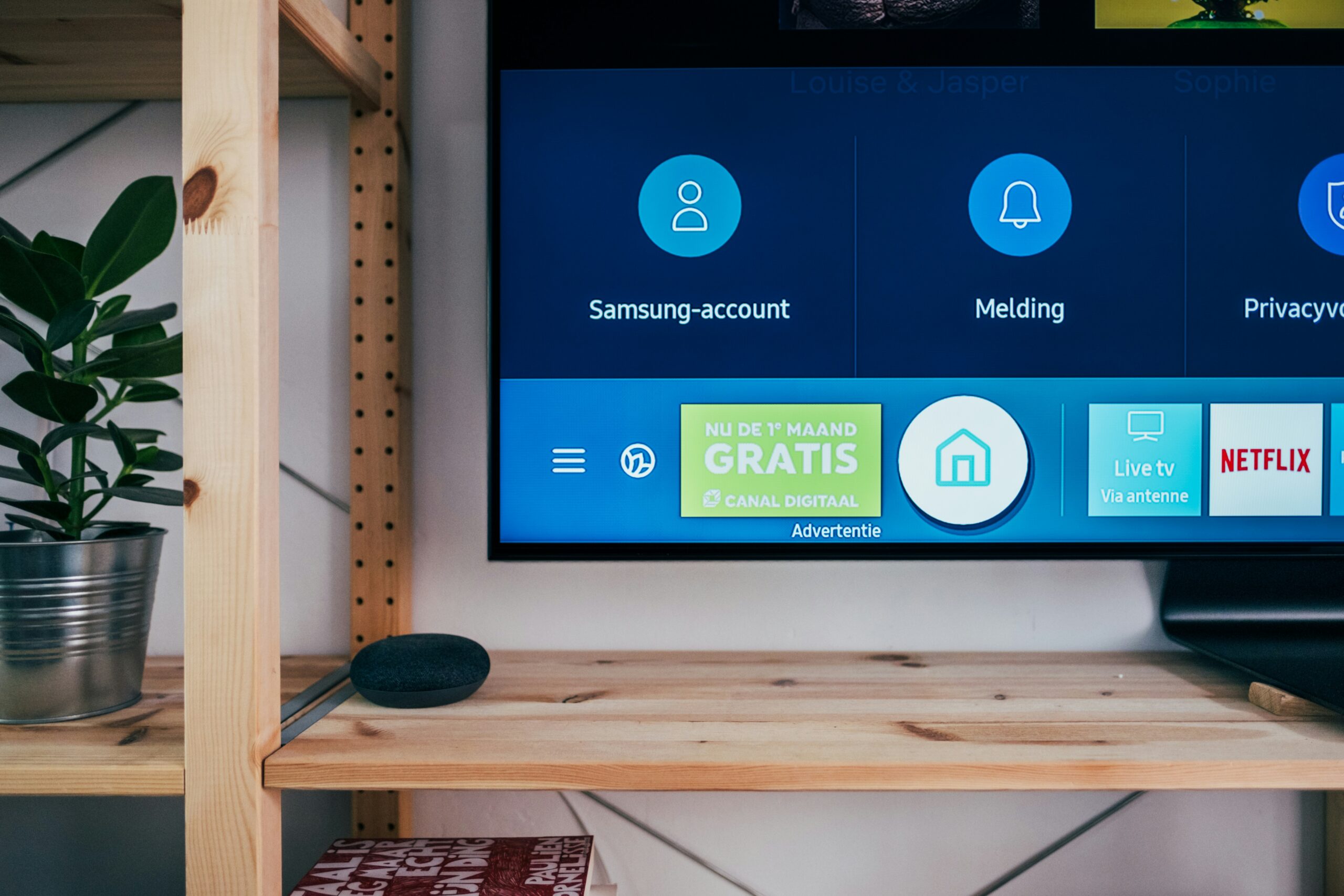
Potential Risks Hackers Pose to Streaming Devices
The risks range from annoying to downright dangerous. In some cases, hackers might hijack your screen or mess with your apps just for the fun of it. But more often, the goal is to steal personal data or quietly turn your device into part of a botnet – a network of compromised devices used to carry out large-scale cyberattacks. Moreover, certain hacker groups look to use these compromised devices as part of a botnet, a collection of internet-connected devices used for nefarious purposes. This might include launching Distributed Denial of Service (DDoS) attacks against larger systems or using the device as a base station to attack other gadgets on your network.
How to Tell If Your Streaming Device Has Been Hacked
Spotting a hack isn’t always straightforward, but you don’t have to be a tech wizard to notice signs. Keep an eye out for unexplained spikes in data usage. This can indicate that your device is functioning as part of a botnet or connecting to rogue servers. You might also experience unusual behaviour: apps downloading without your approval or the device rebooting randomly. If your viewing history seems off or you notice subscriptions you’ve not authorised, these may also indicate a compromise. While these signs don’t automatically confirm a breach, they’re red flags that warrant further investigation.
Boosting the Security of Your Streaming Device
Now that scares have been highlighted, let’s focus on protection strategies to keep your streaming device secure. Here’s what you can do:
1. Lock Down Your Wi-Fi:
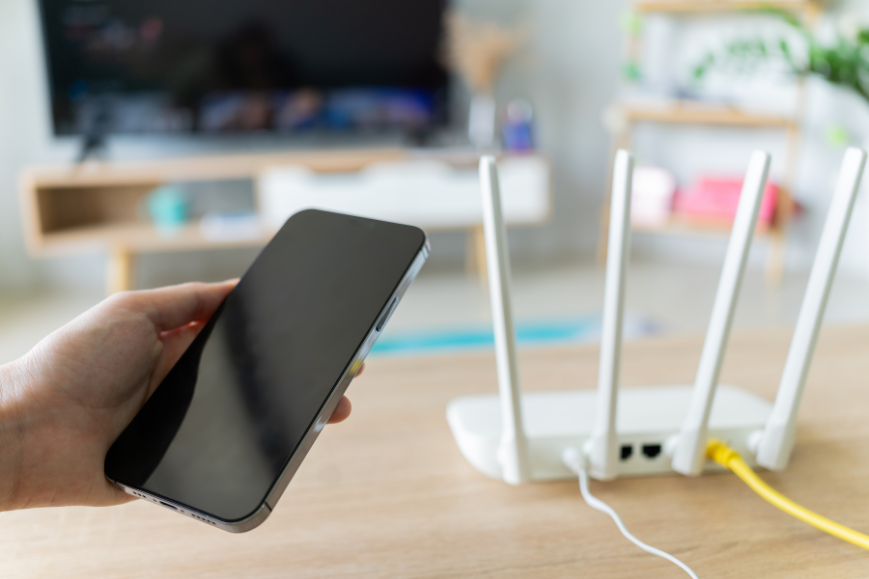
Change default router passwords. Enable WPA3 encryption if available. And make sure your network name doesn’t give away which provider or device you’re using.
2. Keep Firmware Updated:
Updates fix bugs and security flaws. Don’t ignore those alerts, they’re your first line of defence.
3. Use a VPN:
A Virtual Private Network encrypts the traffic between your device and the internet. It’s one of the most effective ways to shield your data from snoopers.
4. Leverage Security Tools:
Some routers now come with built-in threat detection. You can also invest in smart home security software that includes streaming device protection.
5. Audit Your Network Regularly:
Log in to your router and check what devices are connected. If something looks unfamiliar, disconnect it. The fewer entry points, the better.
Minding Your Streaming Device Hygiene (And Proactive Vigilance)
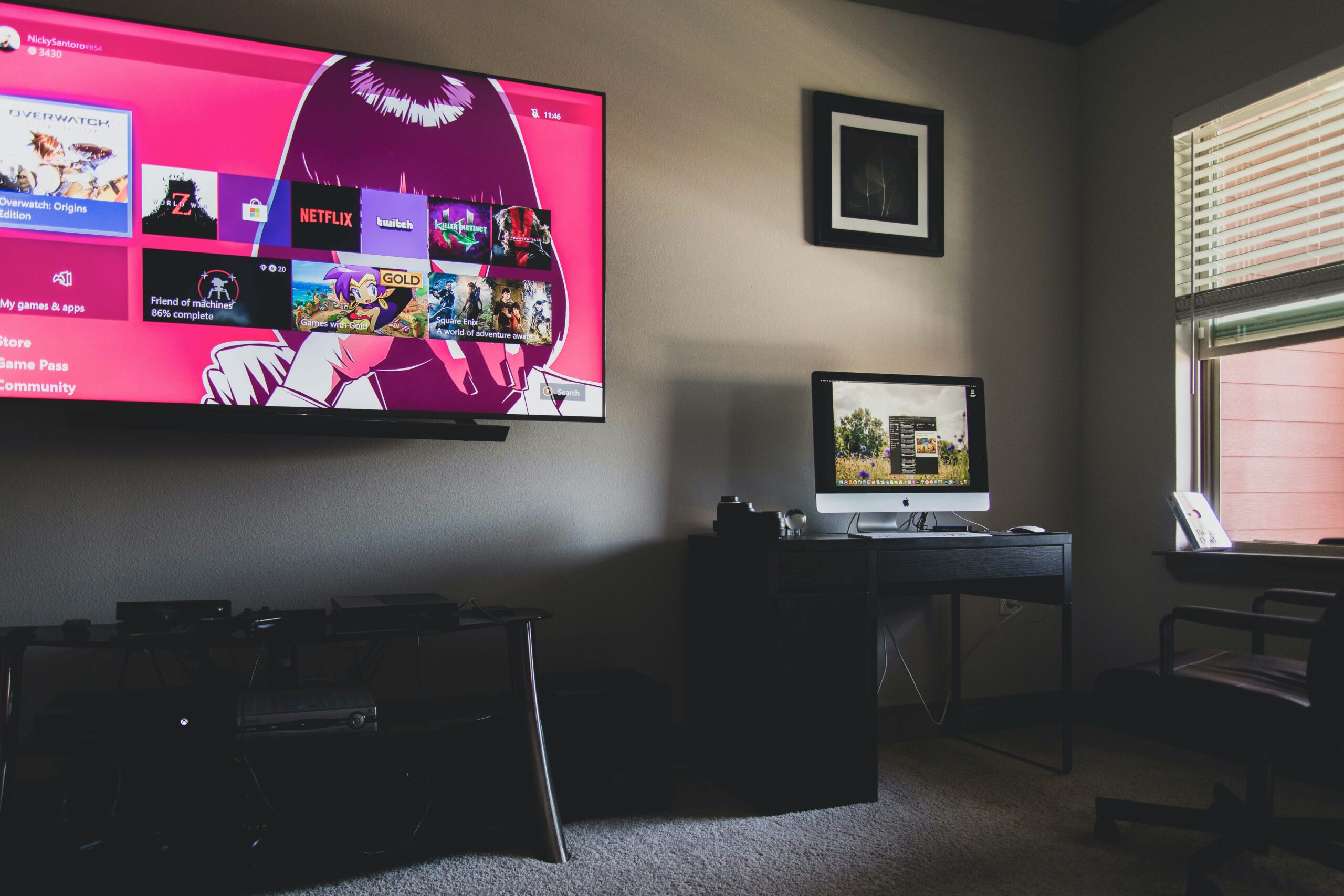
Like any good gadget owner, you should maintain digital hygiene. Log out of apps when not in use or uninstall apps you no longer use frequently. Regularly change your passwords and employ password managers to help with unique, strong ones. The key here is complicating a hacker’s job. The harder you make unauthorised access, the quicker they’ll abandon attempts on your platform. A healthy dash of suspicion is also beneficial. Be cautious of phishing emails or fake software updates that promise enhancements. Criminals use social engineering to prey on human error; always ensure that updates come from reliable sources. Your home setup deserves care, akin to any other part of your home. By staying vigilant, updating devices, and securing your network, you can enjoy endless streaming entertainment without fear of unwanted intrusions. This vigilance is made far easier with the right proactive intelligence platform that keeps a pulse on emerging vulnerabilities and digital threats targeting popular streaming devices. In essence, streaming device hacking risks pose real threats to tech-lovers and their connected lives. However, with the tips mentioned, savvy tech enthusiasts safeguard their modern-day entertainment portals and the sanctity of their data with confidence.
Tech That Puts People First
We believe tech companies have a responsibility: not just to sell shiny gadgets, but to help you use them wisely. Devices should make life easier, not leave your private data hanging in the wind. So if your streaming device came with zero guidance on privacy, that’s on them, not you. But from here on out, you know better. You’re the boss of your own digital home. Want more tips on securing your smart home, or curious how Love the Idea’s Intel Platform provides real-time insights into tech security, market trends, and emerging innovations? Subscribe to our newsletter or explore our site!