






Is Your Smart Home Secretly Spying on You?
Relax, we’re not here to spark panic. We are, however, here to offer a helpful and insightful look at the digital safety of your connected devices. You’ve probably got a few gadgets in your house that talk to the internet – maybe a smart speaker that plays your playlists on demand, or a camera that keeps an eye on your front door. Handy? Absolutely. Safe? Well, that depends. If your home’s getting smarter, your digital privacy should be getting sharper too. Think of it like brushing your teeth – essential hygiene, but for your data. That’s where cyber hygiene comes in. So, let’s break it down into plain English (with no scary jargon), and show you how to make sure your smart home isn’t a soft target for digital snoops. Plus, we’ll subtly show how staying informed about the very latest threats and updates can give you invaluable peace of mind by tracking what truly matters in your connected home.
What’s Cyber Hygiene, Anyway?
Cyber hygiene is just a fancy way of saying: “Look after your digital stuff.” Just like you wouldn’t leave your front door wide open, you shouldn’t leave your Wi-Fi password as “12345” or ignore that annoying little update notification on your smart fridge. Cyber hygiene means taking simple steps to protect your smart home from hackers, glitches, and data leaks. And before you panic, no, you don’t need to be a tech wizard. Just a bit of awareness, a few clicks here and there, and a good dash of common sense will do the trick. But imagine if you had an extra layer of awareness – a quiet, intelligent assistant constantly sifting through the noise, tracking the latest vulnerabilities for your specific devices, or alerting you to new privacy concerns across the smart home landscape. That’s the power of proactive monitoring, helping you stay ahead without becoming a security expert yourself.
Why It Matters: Keep Your Boundaries Digital-Snoop-Proof
Let’s be honest. Smart homes are brilliant, but they do collect a lot of data. What time do you get home? What music do you play? Even what groceries you’re running low on. Without proper safeguards, you could be handing over private details to people (or bots) who shouldn’t have them. And it’s not just about “big hacks.” Even seemingly minor privacy leaks can lead to targeted ads, phishing attempts, or identity theft. Not exactly what you signed up for when you bought that smart toaster. Looking after your cyber hygiene means:
- Keeping control over your data
- Reducing anxiety about who’s watching
- Feeling safe in your own (digitally connected) home
And by leveraging smart monitoring , you gain an edge, allowing you to:
- Track emerging threats: Be aware of new ways hackers are targeting smart devices.
- Stay informed on privacy policies: Know when a device manufacturer changes how they use your data.
- Spot unusual activity trends: Understand what’s normal (and abnormal) in the broader smart home security landscape.
How to Keep Your Smart Home Clean, Safe, and Snoop-Free
1. Update and Secure Firmware and Software: Your First Line of Defence (Backed by Timely Insights)
One of the most fundamental, yet frequently overlooked, aspects of cyber hygiene lies in consistent firmware and software updates. Device manufacturers regularly release updates that patch vulnerabilities and enhance security. However, many homeowners delay or bypass these, seeing them as a minor inconvenience. Don’t skip this crucial step! Ensure your devices are configured to automatically receive updates whenever possible. Think of it as your home’s digital immune system; regular updates keep it strong. And for extra peace of mind, staying informed through timely alerts that track official announcements and security advisories for popular smart home device firmware updates can help you stay on top of critical patches you might otherwise miss. Imagine getting an alert when a vulnerability in a specific smart speaker model you own is discovered and a patch is released – that’s the proactive power we’re talking about.
2. Lock Down Your Devices with Strong, Unique Passwords (and Monitor for Breaches)
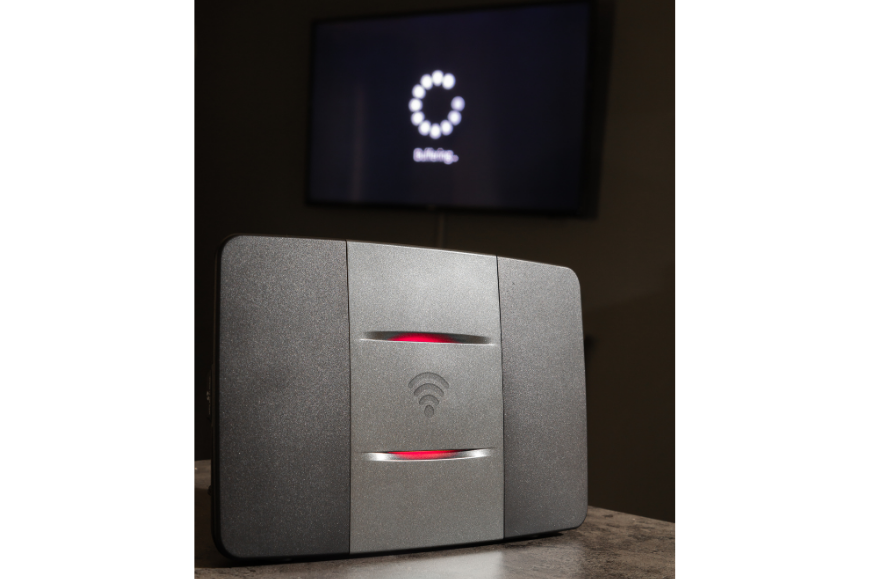
In the landscape of smart home security, robust passwords are your digital deadbolts. Complex combinations of numbers, symbols, and mixed-case letters are significantly harder for cybercriminals to crack. The best practice? Never reuse passwords. Weak or reused passwords are an open invitation to cyber criminals. Instead, level up with a password manager like 1Password or LastPass. These invaluable tools not only create incredibly strong, unique passwords for all your accounts but also store them securely, eliminating the temptation to use easily guessable options like “12345” or “password123.” Beyond just using them, monitoring for reported data breaches related to major smart home device manufacturers or platforms can provide you with early warnings if your credentials might be at risk, even if it’s not a direct hack on your home.
3. Implement Two-Factor Authentication (2FA): Your Essential Second Shield
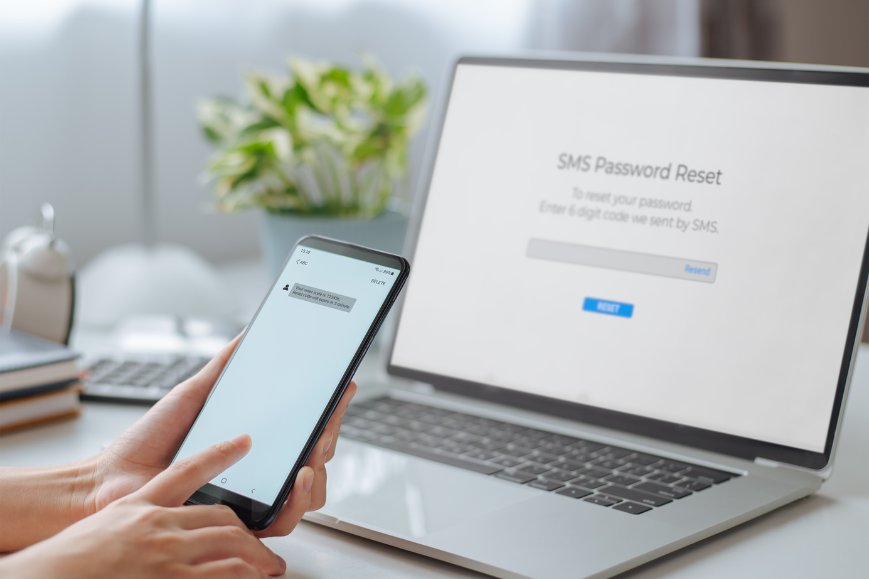
Two-Factor Authentication (2FA) adds a critical layer of security that absolutely should not be overlooked. By requiring a second verification step, such as a code sent to your phone or a biometric scan, 2FA acts as a powerful virtual bouncer for your digital assets. Even if a hacker manages to guess your password, they’ll be blocked without this second key.
Fortunately, most reputable smart home platforms now support 2FA. Make enabling this feature a top priority to protect against unauthorised access and gain peace of mind. Keeping an eye on which new smart home platforms are adopting 2FA, or if any vulnerabilities related to 2FA bypasses are being discussed in cybersecurity circles, ensures you’re always using the strongest available protection.
4. Fortify Your Wi-Fi Network: The Gateway to Your Smart Home
Your Wi-Fi network is the direct pathway into your smart home ecosystem. Securing it is non-negotiable. Start by immediately changing the default username and password on your router – a simple step often overlooked, yet vital. Next, if your router supports WPA3 encryption, enable it. This newer standard scrambles your data, making it much harder to intercept. To go even further, consider creating a separate guest Wi-Fi network. And a crucial rule: avoid using open, unprotected public Wi-Fi networks when accessing your smart home devices remotely. For an added layer of encryption and privacy, consider setting up a Virtual Private Network (VPN). Top VPN providers for UK users that can secure your entire home network (if installed on your router) or individual devices include ExpressVPN,, NordVPN, and Surfshark. Many of these also offer VPN-compatible routers or guidance on setting them up. Being able to track comparative reviews and security audits of these VPN providers, or even spot reports of new router vulnerabilities that could affect your specific model, is key to keeping your digital front door truly fortified. This type of informed vigilance helps you stay abreast of the overall security landscape impacting your home network.
5. Monitor Your Devices Regularly: Stay Vigilant, Stay Secure (Let a Smart Monitor Do the Heavy Lifting!)
Proactive monitoring is a cornerstone of robust smart home cyber hygiene. Maintain a current inventory of all devices connected to your network. Periodically review this list to spot any unknown or unauthorised gadgets that may have joined without your permission. But what if you could automate much of this vigilance? This is where the true power of Love the Idea’s smart monitors shines. Our dashboard monitors can be configured to:
- Track discussions on forums and social media for unusual activity reported for specific smart device models you own.
- Alert you to emerging security flaws or data privacy concerns tied to smart home ecosystems.
- Identify reports of unexpected data usage or suspicious network access attempts related to smart devices in the wider digital sphere.
Instead of manually deploying complex network monitoring software (like Fing or GlassWire), our Intel Platform, a robust monitoring platform, gives you high-level, actionable insights, acting as your proactive digital watchguard against security breaches and unexpected behavior. This allows you to focus on enjoying your smart home, knowing that a sophisticated system is keeping an eye on the broader threat landscape for you.
6. Empower Yourself and Your Family Through Education (Informed by Current Threats)
The weakest link in any security chain is often human error. Educate yourself and every member of your household about the critical importance of cyber hygiene. Discuss regularly the potential risks and stay informed about new tactics used by cybercriminals, such as phishing attempts or social engineering. Teach family members to be inherently sceptical of suspicious emails, messages, or calls. Staying informed about the latest cybersecurity trends will arm you with the essential knowledge needed to safeguard your digital domain effectively. It’s a vital step towards preventative, collective security. And to ensure you’re always informed about the very latest threats, make sure to track real-time cybersecurity news, phishing campaign alerts, and discussions around new social engineering tactics specifically targeting smart home users. Simply put, informed users are safer users.

7. Explore Professional Security Solutions for Enhanced Protection
For those who want maximum peace of mind, exploring professional cybersecurity services is a smart move. These experts can assess your setup, offer tailored solutions, and monitor your system on an ongoing basis. While professional services may involve an investment, they can prove invaluable for maintaining long-term, robust security. Solutions often include advanced intrusion detection systems, next-generation firewalls, and Virtual Private Networks (VPNs) that encrypt all your internet traffic, significantly enhancing both security and privacy. Leading VPN providers like ExpressVPN and NordVPN also offer comprehensive security suites that extend beyond basic VPN services. 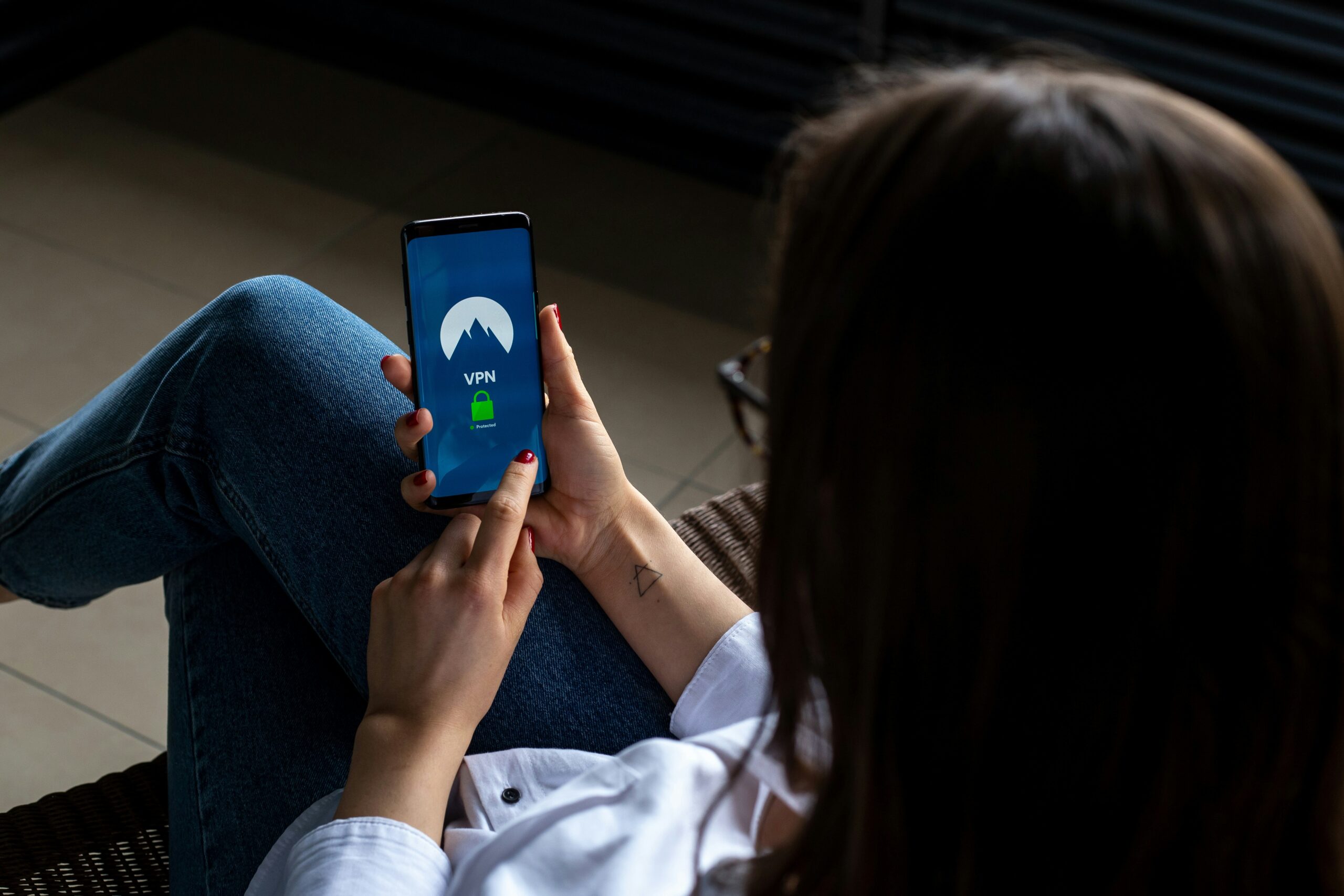
Small Steps, Big Privacy Wins
You don’t need to overhaul your whole system in a day. Start with one change, like enabling 2FA or updating your router password. Then pick another next week. Cyber hygiene is like flossing. Not glamorous, but skipping it can lead to pain down the line.
Why It’s Not Just “Cool”, It’s Necessary
Smart homes are more than just gadgets; they’re extensions of our lives. They help us save time, boost convenience, and feel a bit like we’re living in the future. But to truly love the idea of a connected home, you’ve got to trust that it’s safe. By keeping your devices secure, you’re not just protecting tech, you’re protecting your peace of mind. And that is what Love the Idea is all about. We spotlight technology that empowers you, respects your privacy, and adds meaningful ease to your life, not stress. This is where we step in, offering the Intel Platform as your silent guardian in the smart home ecosystem, constantly sifting through the digital noise to bring you the critical insights you need to stay secure. So go ahead, live smart. Just live securely, too.