





Ever thought about what the future of work looks like? Well, Reid Hoffman, the guy who co-founded LinkedIn, has made a pretty bold prediction: by 2034, the classic 9-5 job could be extinct. According to him, technology is advancing so rapidly that everything will become so cheap, you won’t really need to work anymore. Crazy, right? Let’s break down what this could mean for all of us.
Say Goodbye to the 9-5 Grind
The 9-5 workday has been around forever, giving us structure, stability, and a clear separation between work and personal life. But let’s be honest, with remote work, flexible hours, and the gig economy on the rise, things are already changing. Hoffman thinks we’re heading towards a future where fixed work hours are totally obsolete. 
Automation and AI Are Taking Over
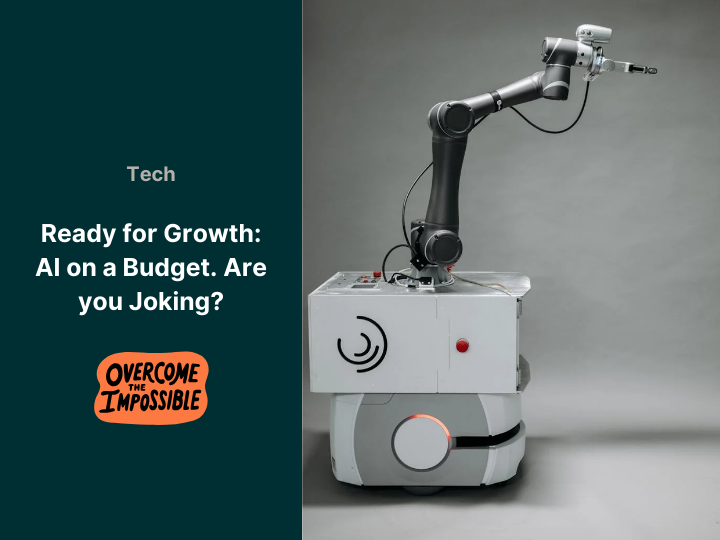
One of the main reasons for this shift is the rise of automation and artificial intelligence (AI). Machines and AI are getting really good at doing jobs that humans used to do—everything from manufacturing to customer service, and even creative tasks. This might sound a bit scary, but it could actually be a good thing. Imagine a world where all the boring, repetitive tasks are handled by robots. That would free us up to focus on more meaningful and creative projects. Work could become less about surviving and more about doing what you love. And with machines doing most of the work, the cost of goods and services could drop, making life a lot cheaper for everyone.
The Gig Economy: The New Normal?
Another trend that backs up Hoffman’s prediction is the growth of the gig economy. You’ve probably used platforms like Uber, Airbnb, or Fiverr, right? They’ve shown that more and more people are interested in short-term, flexible work rather than traditional jobs. By 2034, freelancing and gig work might be the new normal, with people picking up projects as they go, instead of sticking with one employer.
A New Kind of Economy
Hoffman’s vision also suggests that we’ll see big changes in how our economy works. With technology making production super efficient, the basics—like food, housing, healthcare, and education—could become so cheap that we wouldn’t need full-time jobs to afford them. This idea fits with what’s called a post-scarcity economy, where everything is abundant and accessible to everyone. One way to make this happen could be through something like Universal Basic Income (UBI). This idea has been gaining traction lately. UBI means giving everyone a guaranteed income, no matter what, so they can meet their basic needs. With this safety net, people could focus on work that really matters to them, instead of just working to pay the bills. 
Creativity Could Be the New Currency
In a world where the 9-5 job is extinct, creativity and innovation would be the new currency. With machines taking care of the routine stuff, we’d have more time to explore our passions and come up with new ideas. This could lead to a boom in creativity and innovation, as people have the freedom to experiment and take risks. Imagine a world where artists, writers, inventors, and entrepreneurs aren’t tied down by traditional jobs. Instead, they’d have the time and freedom to chase their dreams and bring their ideas to life. We could see a whole new wave of art, technology, and cultural movements.
But What About the Challenges?
Of course, Hoffman’s prediction isn’t without its challenges. How will we handle the transition away from traditional jobs? What happens to industries that rely on human labor? How will people find purpose and meaning in a world where work isn’t the main focus? There are also worries about inequality. While technology could make life cheaper for everyone, there’s a risk that the benefits of automation could end up in the hands of a few. Making sure that everyone shares in the gains from tech advancements will be a big challenge for society.
The Future of Work Is Changing
Reid Hoffman’s prediction about the end of the 9-5 job by 2034 gives us a lot to think about. Advances in technology, the rise of the gig economy, and changes in how our economy works could lead to a future where work is all about creativity, passion, and growth. It’s a bit uncertain, sure, but one thing is for sure: the way we work is evolving, and the future holds endless possibilities.