





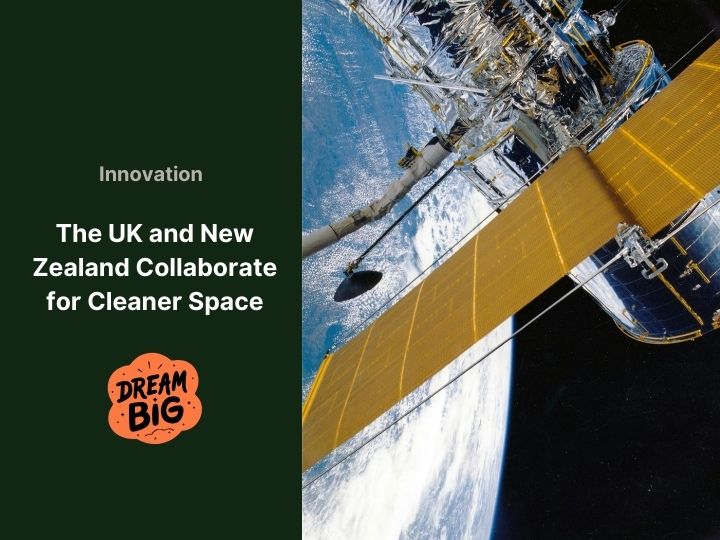
Aiming for a cleaner space in orbit, the UK Space Agency and New Zealand have partnered to tackle the rising issue of space debris. This collaboration focuses on developing satellite removal and in-orbit servicing missions to promote a safer, more sustainable environment above our planet.
Why This Cleaner Space Partnership Matters
Space debris, often referred to as ‘space junk,’ includes defunct satellites, spent rocket stages, and fragments from collisions. With over 34,000 pieces of debris larger than 10 cm orbiting Earth, this growing clutter not only endangers active satellites but also poses risks to future space missions. This UK-New Zealand agreement is a proactive step towards achieving a cleaner space by establishing protocols for debris removal and satellite servicing. By removing non-functional satellites and maintaining operational ones, this initiative aims to enhance both safety and the longevity of existing space technologies. 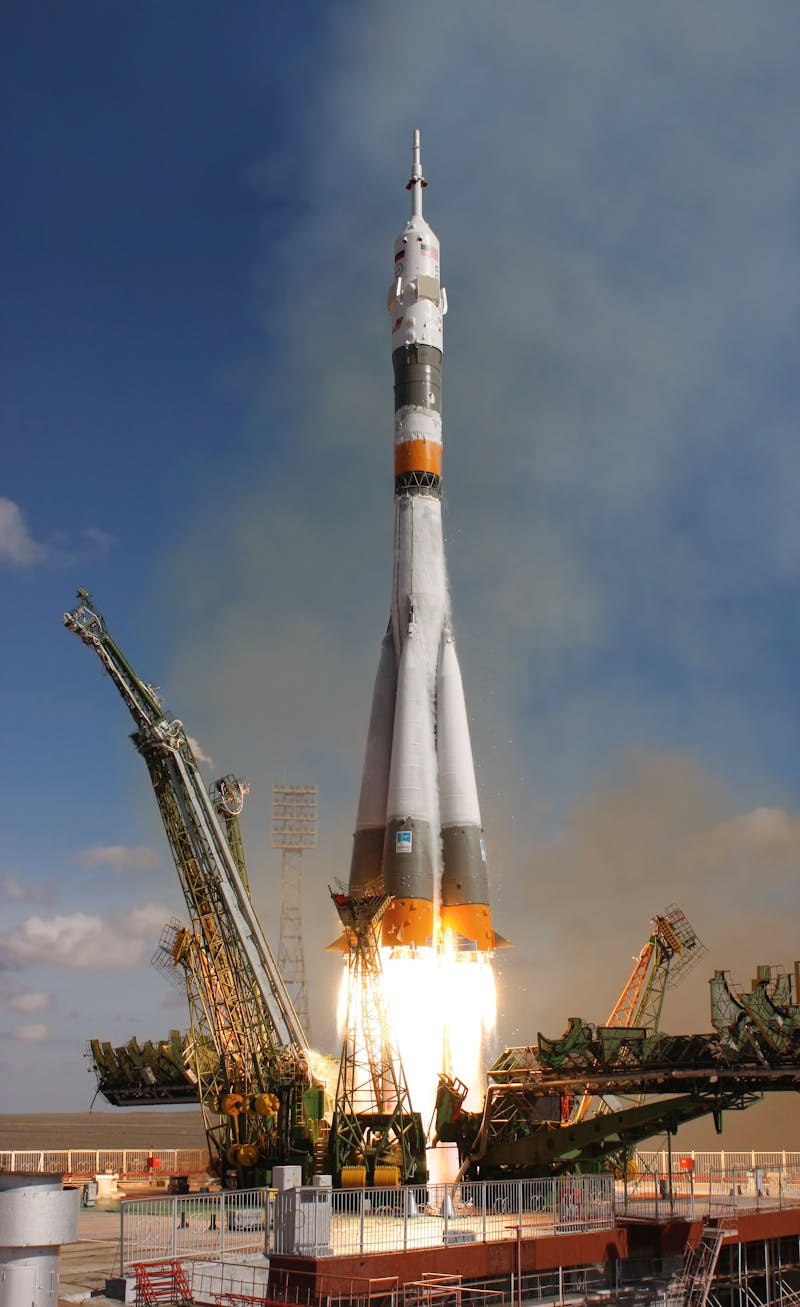
In-Orbit Services: The Future of a Cleaner Space
In-orbit services involve technologies that can repair satellites, refuel them, or safely guide them out of orbit when their service life ends. This approach contributes to a cleaner space by reducing the need for new satellite launches and preventing further debris accumulation. One innovative solution under development is ‘space tug’ technology, which can dock with old satellites and either repair or safely deorbit them. Such advancements not only ensure a safer orbital environment but also support the global movement towards sustainable space operations.
Global Leadership in Cleaner Space Initiatives
This collaboration between the UK and New Zealand is more than a bilateral agreement—it’s a blueprint for global practices in responsible space management. The partnership aims to inspire international adoption of cleaner space technologies and standards, setting a strong example for other nations. Experts believe that implementing these technologies globally could significantly reduce the 10,000 tonnes of debris currently in low Earth orbit. By leading the charge, the UK and New Zealand are establishing a legacy of space sustainability that could influence policies worldwide. 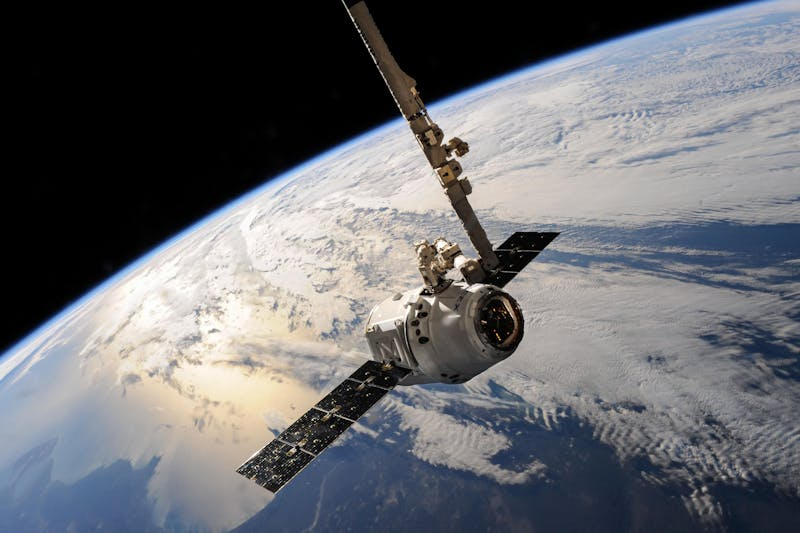
Leading the Way in Cleaner Space Missions
The newly established framework supports innovative satellite removal and in-orbit servicing missions, positioning both nations as frontrunners in the cleaner space economy. These efforts ensure that space remains not only a safe frontier but also a viable and profitable domain for businesses and governments alike. Projects like these demonstrate that innovation doesn’t stop at Earth’s atmosphere. They reinforce the idea that a cleaner space is not just a necessity but an achievable goal. By reducing space debris and maintaining satellite infrastructure, we create a sustainable pathway for future space exploration.
How You Can Support a Cleaner Future
While national agencies are leading the way, individuals can also play a part in advocating for space. Supporting policies that promote satellite servicing and space debris removal, and raising awareness about the issue, contributes to a safer and more sustainable future for space travel. Interested in how cleaner space initiatives will shape the future of exploration? Share your thoughts in the comments and stay tuned for more insights into the evolving world of space sustainability!