




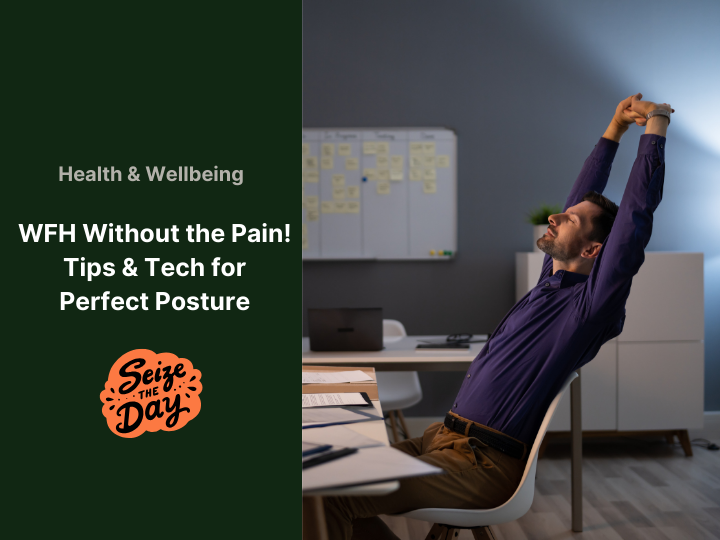
Working from home is great, until your back, neck, and brain start begging for mercy by 2 PM.
If you’re hitting that mid-afternoon wall with brain fog, sore shoulders, or mystery aches, you’re not imagining it. A bad setup and worse posture are low-key wrecking your health, and no, sitting up straighter isn’t enough to fix it.
Let’s talk about what’s really going on, and how a few smarter moves (plus some smart tech) can change everything.
Why Posture (and Movement) Matters Way More Than You Think
Posture isn’t just about “looking professional” on Zoom calls.
When you spend hours hunched like a human croissant, you’re actually compressing your organs, slowing down your blood flow, and starving your brain of oxygen. That’s why you end up feeling tired, foggy, irritable—or worse, dealing with chronic pain later.
According to a study, nearly 80% of Americans will experience back problems at some point. Good posture isn’t just “nice to have” it’s critical for your energy, your health, even your memory. 
Understanding Common Posture Problems
Before we can fix posture issues, we need to identify what’s going wrong. Many of us unknowingly develop poor posture habits that sneak up over time, especially when working from home. These habits can cause discomfort and lead to more significant health problems if left unaddressed. Here are a few common posture problems to look out for:
Slouching Shoulders
Slouching is perhaps the most common issue. It happens when we lean forward or hunch our shoulders, often caused by a combination of poor chair support, leaning into our desks, or even staring down at our phones too much. Over time, slouching can lead to upper back and neck pain and even tension headaches.

Forward Head Posture (Tech Neck)
This occurs when you stick your head forward while looking at your computer or phone screen. It’s like you’re trying to get a closer look at what’s happening on your screen. Not only does this strain your neck muscles, but it also throws your entire spinal alignment off, leading to chronic neck pain and potentially even issues with your spine.
Pelvic Tilt and Lower Back Pain
When your pelvis is tilted too far forward or backward (often due to slouching or sitting for long periods), it puts unnecessary strain on your lower back. This is often referred to as “sitting disease” and can lead to tight hips, a sore lower back, and even difficulty standing up straight after sitting for too long.

Misalignment in your Hips and Spine
While it might feel comfortable at the time, crossing your legs while sitting can lead to misalignment in your hips and spine. This habit can also restrict blood flow, leading to stiffness and swelling in the legs and feet over time.
Not Moving Enough
Even if you sit up straight, staying locked in one position for hours can still cause problems. Our bodies are designed to move, stretch, and shift. Without enough movement, muscles stiffen and weaken, making it harder to maintain good posture and easier for pain and fatigue to creep in. Tiny movements throughout the day keep your posture strong and your body energized.
Smarter Solutions to Save Your Posture (and Your Sanity)
You don’t have to settle for powering through pain and fatigue every day. Here’s how to create a setup that works with your body, not against it, so you can feel more energized, focused, and ready to crush your goals (without the aches and brain fog).
1. Invest in Ergonomic Furniture (Smart-Adjust Versions)
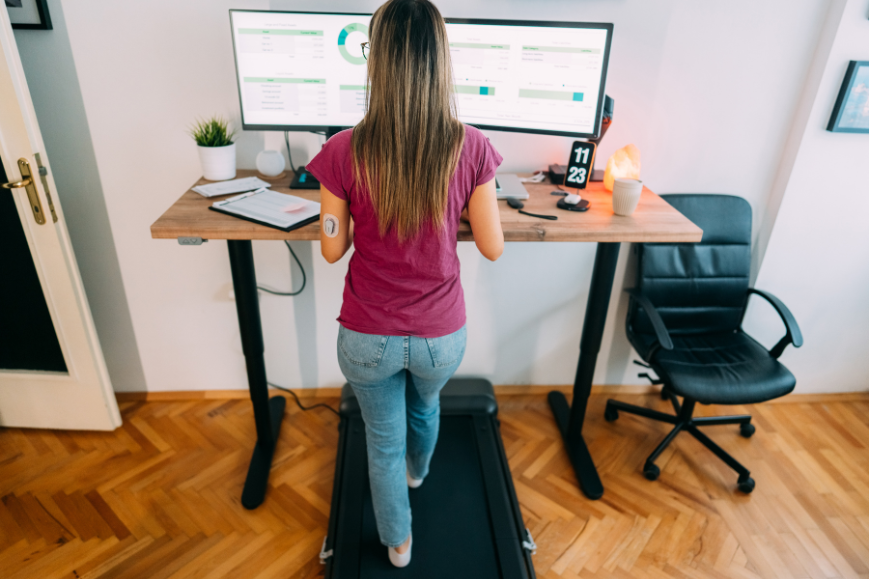
Smart adjustable desks like the Autonomous SmartDesk Core automatically move between sitting and standing modes at scheduled intervals. No more forgetting to stand up—the desk reminds you.
Bonus: Some models sync with apps that track your standing/sitting habits and offer real-time posture coaching!
2. Elevate Your Screen with Tech that Moves with You
Instead of stacking books under your monitor, upgrade to a smart monitor arm (like the Ergotron LX Monitor Arm) that lets you reposition your screen with a fingertip. Keeping your monitor at eye level prevents “tech neck” and naturally improves breathing and spinal alignment.
3. Support Your Feet (And Circulation) Smartly
Instead of a basic footrest, check out an active footrest like the FluidStance Grade that rocks slightly to keep your legs moving and blood flowing while you sit. A static posture is the enemy of circulation. Micro-movements matter more than you think for heart health!
4. Follow the 20-20-20 Rule with App Reminders
Apps like Stretchly or Time Out gently remind you to take micro-breaks every 20 minutes, preventing eye strain, improving posture, and boosting long-term focus.
5. Stay Hydrated and Moving with Smart Bottles
Tech meets hydration with smart water bottles like the HidrateSpark, which glows when it’s time to drink. It’s not just about hydration, those mini trips to refill and sip help prevent blood pooling, a serious risk from prolonged sitting.

6. Strengthen Core Muscles with Wearable Feedback Devices
Want real-time posture feedback without guessing? Devices like Upright GO gently vibrate when you slouch, helping you train better posture without needing a coach hovering over you. Strengthening your core and aligning your spine becomes automatic.
7. Seek Professional Guidance
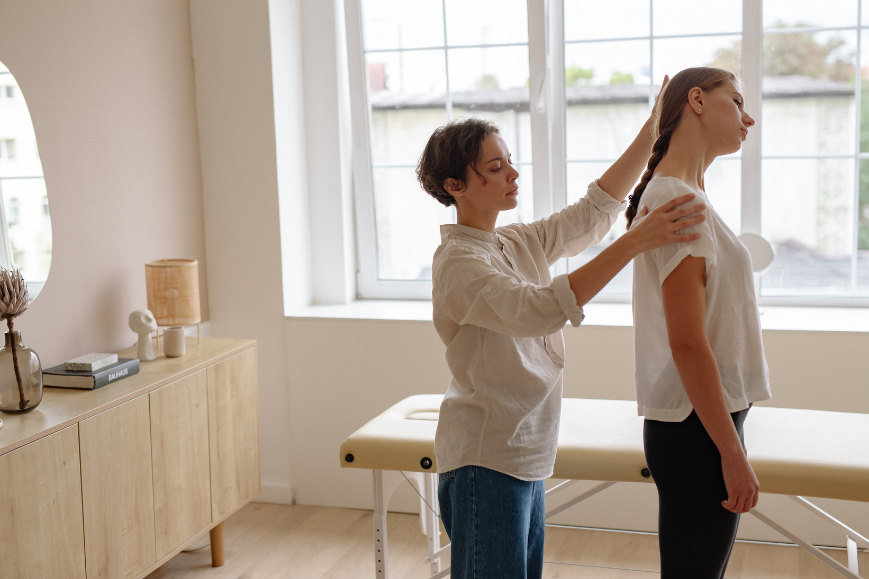
If back pain persists or worsens, consulting a chiropractor or physiotherapist may be beneficial. They can offer tailored advice and therapies suited to your needs.
Your Path to Better Posture Starts Today
Building better posture habits isn’t about overnight perfection. It’s about small, consistent changes that add up to major improvements in how you feel and work. With a little intention, and maybe a trusty footrest under your desk, you can create a healthier, more energised remote work experience. Your body (and your future self) will thank you!