





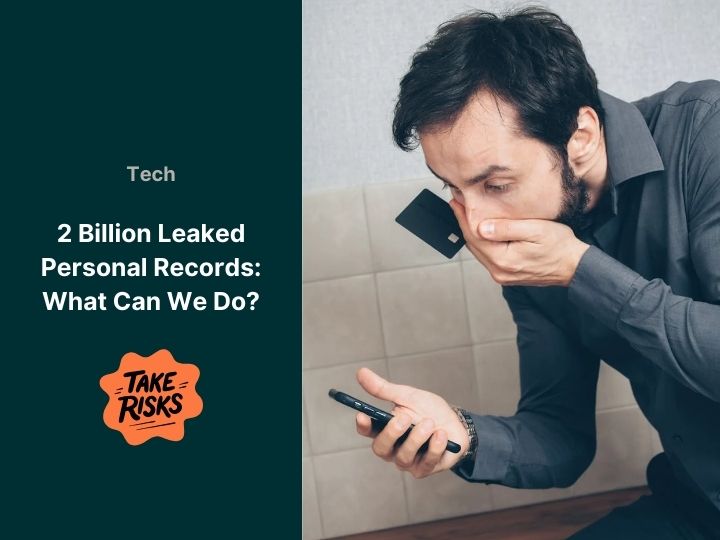
It feels like every other day, we hear about another massive data breach. Hackers probably have enough data to know what I’m having for dinner tomorrow before I do! With companies holding huge amounts of data. about us. What can we actually do about it? Recently, hackers leaked over 2.7 billion records! Billions of data records including highly sensitive details of residents from the US, UK, and Canada. This isn’t just an abstract problem; it feels personal. If you live in one of these countries, as we do, there’s a good chance your data is completely exposed.
What Happened in the National Public Data Leak?
 This massive breach originated from a company called National Public Data, which compiles and sells personal information for background checks. The leaked information includes social security numbers, names, addresses, and even other identifiers. Initially, hackers tried selling this data for $3.5 million, but it eventually ended up being available for anyone to download. A database containing 2.7 billion records, weighing in at 277 gigabytes, was made public. It’s a wake-up call about the vast amount of information stored and how vulnerable it is.
20 Bitcoins Ransom for The British Library IT system
High-profile organisations are not immune. Last year, the British Library experienced a severe cyberattack orchestrated by the Rhysida hacker group. This wasn’t a smash-and-grab operation; the hackers had infiltrated the Library’s systems for months, navigating through their digital infrastructure. Once inside, they demanded a ransom of 20 bitcoins, worth around £600,000. When the Library refused to pay, the hackers released close to 500,000 files, exposing sensitive data, including employee information and internal documents. The attack left the British Library struggling to restore its systems, showing just how devastating these breaches can be.
£6 Million Fine for NHS Software Breach
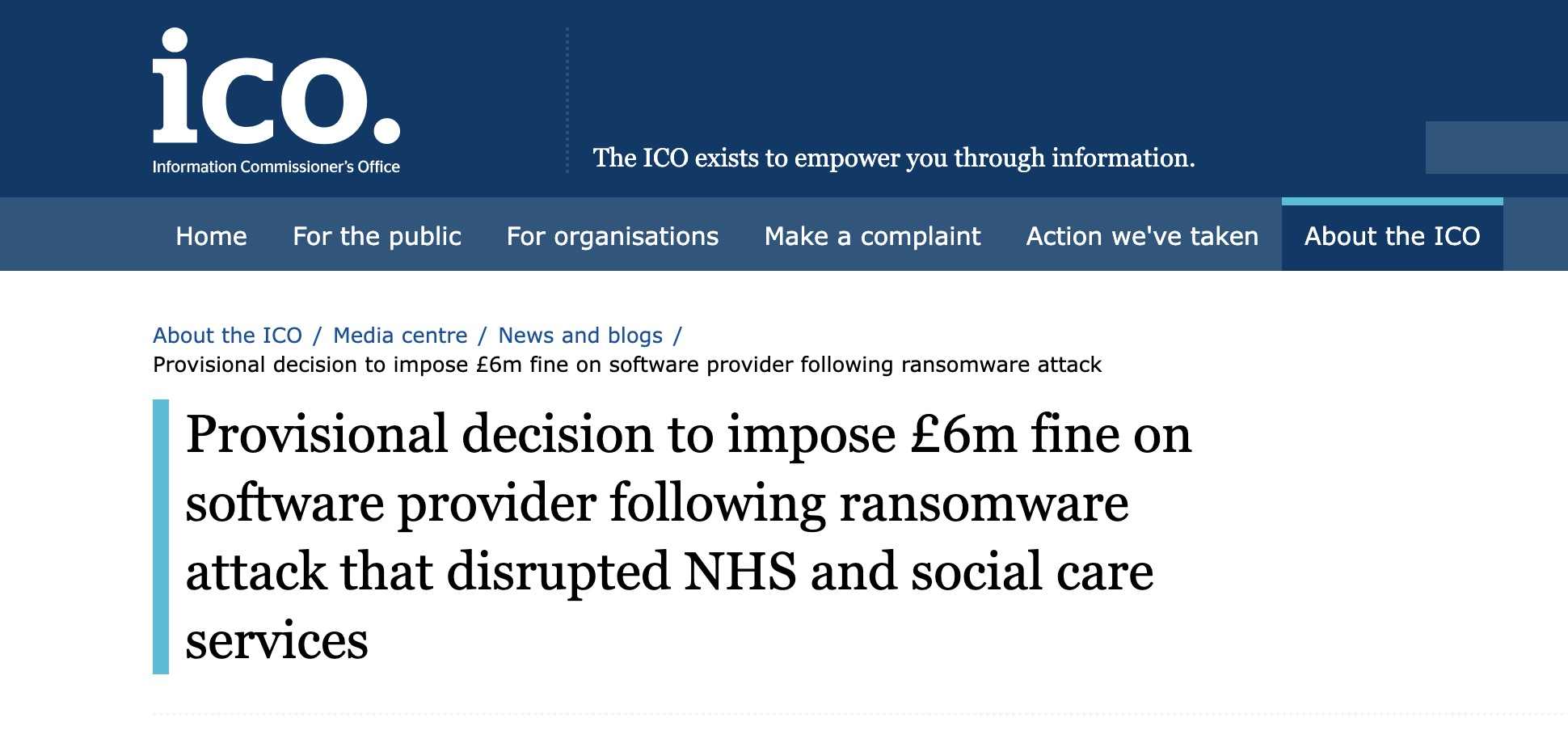 Another alarming case involves Advanced Computer Software Group, a company providing IT services to the NHS. A recent ransomware attack exposed the personal information of 82,946 people, including sensitive medical records and details on how to access the homes of those receiving care. The breach had severe consequences, disrupting critical NHS services like NHS 111. In response, the Information Commissioner’s Office (ICO) has provisionally decided to impose a £6.09 million fine on Advanced for failing to protect the data adequately. This fine serves as a stark reminder of the consequences of inadequate cybersecurity measures.
Why Are These Breaches Happening?
Hackers are becoming more sophisticated, constantly finding new ways to exploit weaknesses in systems. These weaknesses often come from outdated security protocols, lack of proper training, or insufficient investment in cybersecurity. The British Library’s breach highlights how even secure government institutions can be vulnerable if attackers are determined and patient enough. Similarly, the attack on Advanced illustrates the risks when basic security measures like multi-factor authentication are not in place.
What Can We Do About It?
- Stay Informed : Knowledge is power. Regularly update yourself on the latest scams and threats. Monitor your financial statements, credit reports, and online accounts for unusual activity.
- Use Strong, Unique Passwords : Don’t rely on easy-to-guess passwords. Use complex, unique passwords for each account, and consider using a password manager to keep track of them all.
- Enable Multi-Factor Authentication (MFA) : Adding an extra layer of security, like MFA, makes it harder for hackers to access your accounts, even if they have your password.
- Back-Up Your Data : Regular backups can save you from disaster, especially if your data is held hostage by ransomware.
- Keep Software Updated : Outdated software is a common entry point for hackers. Ensure that all your websites, devices and applications are regularly updated with the latest security patches.
What Should Companies Be Doing?
Companies, startups, project owner and developers (from the top to the bottom) need to prioritise data security more. It’s boring, expensive and not a fun when your reports come back with a number of red flags. But the fine proposed for Advanced Computer Software Group is a clear signal that failing to protect sensitive information has serious consequences.
- Implement Strong Security Protocols : This includes advanced encryption, regular security audits, and multi-factor authentication to prevent unauthorised access.
- Train Employees : Since human error is a significant risk factor, training employees to recognise and respond to threats is crucial.
- Prepare Incident Response Plans : Having a robust plan to deal with breaches can significantly reduce the damage and recovery time.
- Monitor access and alerts : Access to data should go through permission requesting processes with expiration times.
**Space for Innovation ✨: Training AI to recognise data breach patterns and use trust level access controls in order to detect potential data breaches. ** With cyberattacks becoming more frequent and damaging, we must all take data security seriously. From individuals to large companies, proactive measures can help protect against the growing threat of cybercrime. At Love the Idea, we are committed to safeguarding data and ensuring that our systems are updated and secure. Remember, in the digital age, data security is constantly evolving. Let’s take it seriously.