





Do you ever catch yourself chatting to your phone or asking your smart speaker to play your favourite tunes? Now imagine if your entire home joined the conversation, waking you with soft lighting, starting your coffee, adjusting the thermostat, and maybe even offering a cheerful weather update. That might sound like something out of a sci-fi film, but it’s becoming remarkably normal.
The boom in smart home technology is more than just a tech trend; it’s a cultural shift. But here’s the real question: now that technology is settling into our daily lives, what responsibilities come with it? And what should tech companies do beyond simply selling us clever gadgets?
The Everyday Tech Invasion
Smart homes aren’t just for gadget lovers anymore. They’re becoming part of everyday life, offering ways to streamline routines and make home life more comfortable. The numbers reflect this shift: the global smart home market could reach over $135 billion by 2025. That’s not a niche corner of the internet anymore, it’s a global household movement. But convenience isn’t the whole story. With every voice-controlled switch and automated reminder, there’s a real person on the other side, living a real life. That’s where things get more interesting—and more important.

When Convenience Meets Responsibility
The appeal of smart devices is clear. They help control lighting, heating, security, and even groceries with a few taps or words. But once these tools become part of our lives, they aren’t just tools anymore. They influence how we think, how we plan our time, even how we sleep. And when that kind of influence is involved, responsibility matters.
Tech companies have a job to do here, and it’s not just innovating. It’s also about helping users understand how to use their products responsibly. Not everyone needs every notification turned on. Not everyone benefits from constantly checking their phone to see what their fridge is up to.
Smart Assistants: Helpful or Hectic?
Take smart assistants. They’re the darlings of the connected home, such as Alexa, Google Assistant, Siri, and their kin. They make mornings smoother, remind us to pick up dry cleaning, and know more about our schedules than our closest mates. That’s handy. But it also means they collect a lot of information.
These assistants now offer predictive suggestions based on your habits. That’s useful, but it’s also a subtle nudge, shaping your day in ways you might not fully notice. Tech companies need to be upfront about that. They should help users adjust settings easily, understand data usage, and keep things manageable, not overwhelming.
Saving Energy, Saving Sanity
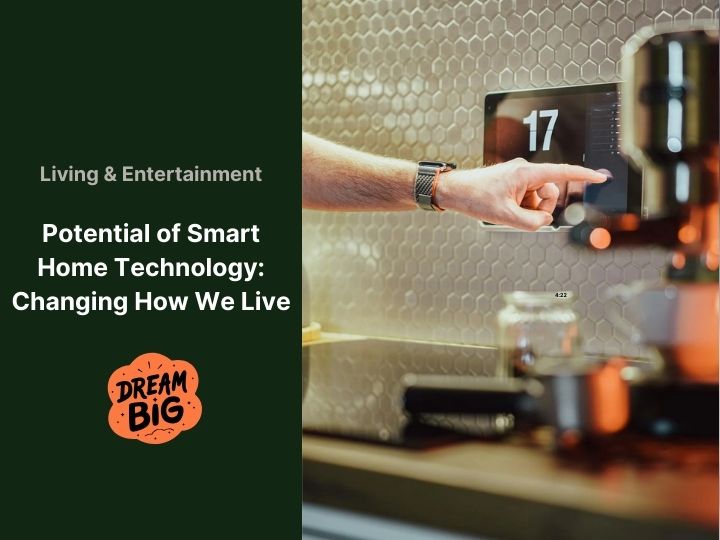
Smart thermostats and lighting systems are another big win, not just for convenience, but for energy bills. Devices like Nest and Ecobee learn your routines and tweak heating or cooling to match, often saving 10-15% on your energy use. That’s fantastic news for the planet and your wallet. But again, there’s a balance to strike. Users need help understanding these tools, especially when the settings get complicated. Is the device really saving energy, or just following a routine you forgot to adjust? Companies could do more here: better tutorials, clearer options, and maybe even a friendly reminder every once in a while to check your preferences. 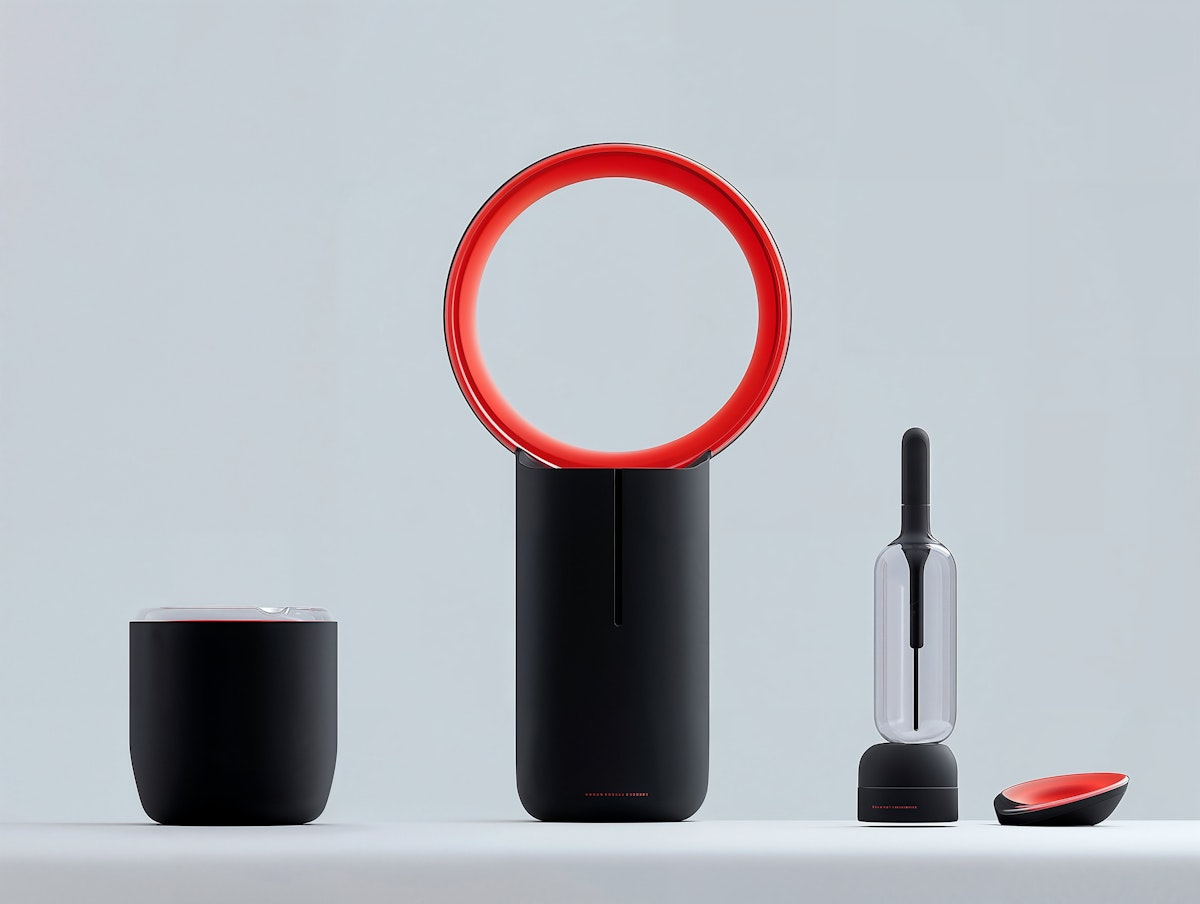
Feeling Safe, Not Watched
Home security is one of the most practical uses for smart tech. Cameras, locks, motion sensors—they all add an extra layer of reassurance. Getting an alert when someone rings your doorbell while you’re away? That’s pretty comforting. But there’s a fine line between feeling secure and feeling watched. Not just by others, but by your own home. A growing number of users are wondering who else is seeing those camera feeds or what happens to footage stored in the cloud. This is where ethical design matters. Transparency matters. Making it easy to choose where your data goes, and making that choice clear, is no longer optional. 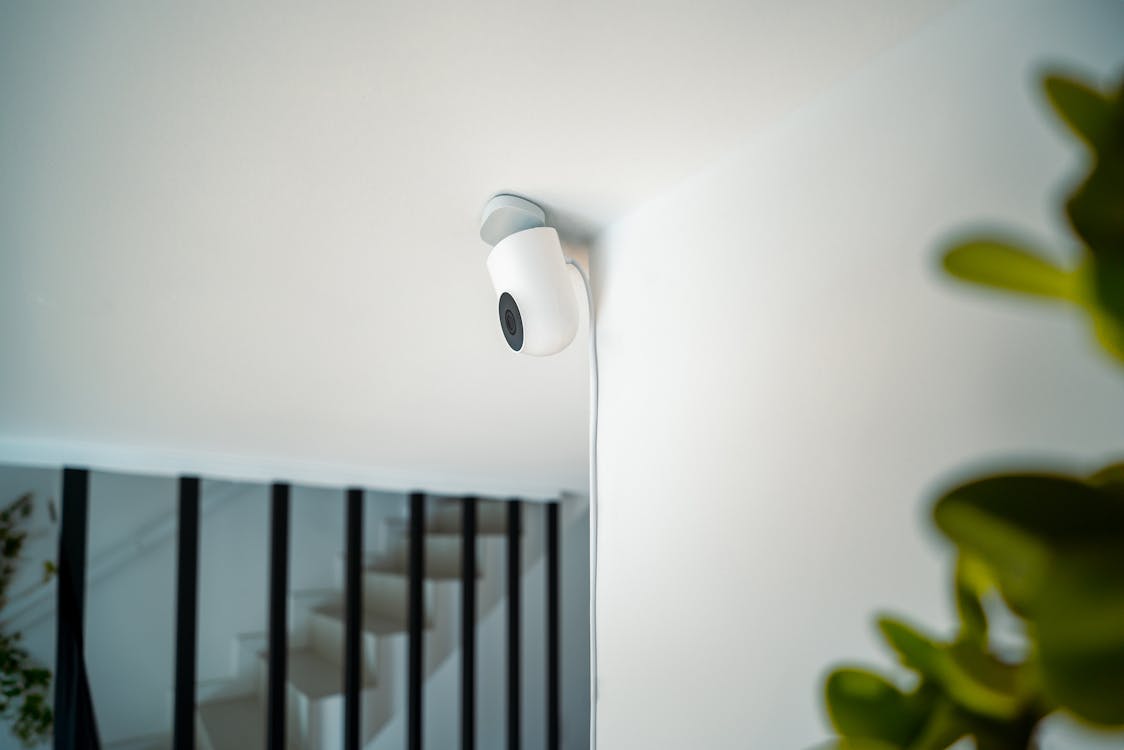
Everyday Use, Real-World Benefits
In families, smart tech can help with everything from managing screen time to improving sleep routines. A smart light that dims in the evening can help kids wind down. A door sensor can let working parents know when their teenager gets home safely. But these wins only happen when the tech is set up thoughtfully. Many users feel overwhelmed trying to juggle multiple apps or decipher complicated settings. It doesn’t have to be that way. Imagine if each product came with setup options based on real-life goals, “I want more sleep”, “I want to reduce energy use”, “I want to keep track of the kids”. Helping people start with intention makes a big difference. 
The Ethics of Design and Data
Behind the scenes, smart homes are powered by data. That’s how they learn preferences, predict behaviours, and automate routines. But collecting data comes with responsibility. People deserve to know what’s collected, how it’s stored, and who might see it. And they deserve to say no easily if something doesn’t sit right. Ethical tech doesn’t mean no innovation, it means smart innovation. Features that promote well-being. Notifications that respect your focus time. Devices that nudge you to move, unplug, or sleep, not just to check a sale or reorder something you barely use. There’s room for review platforms too, not just the ones that score devices on performance or battery life, but those that rate them on ease of use, privacy clarity, and whether they truly support healthy living. A five-star toaster is great. A toaster that works well and respects your data? Even better.
Building a More Human Smart Home
The future of smart homes doesn’t need to look like a tech showroom. It should feel like home. That means making tech work for people, not the other way around. It means offering products that adapt without dominating. And most of all, it means designing for life—real, messy, human life.  This is where tech companies can step up. They’ve nailed the innovation. Now it’s time to support users in making thoughtful choices, staying in control of their routines, and feeling comfortable with the tech they welcome into their homes. So, whether your house has one smart speaker or a full suite of gadgets, it’s worth checking in. Not just on whether everything is working, but on whether it’s working for you. Because a truly smart home doesn’t just react to commands—it respects your time, your energy, and your peace of mind.