





There’s something undeniably fun about talking to a lamp and having it obey. Or getting a thermostat to cosy up your home just as you walk in. It all feels a bit magical, until your speaker blurts out an alarm in the middle of the night because you accidentally scheduled it to remind you about bin day at 2 am. Yes, smart home tech is here, and it’s not going anywhere. It’s also no longer just for the early adopters or people trying to turn their lounge into a spaceship. These gadgets are quickly becoming part of everyday life, quietly (or sometimes loudly) doing everything from warming your house to guarding your front door. But here’s a thought worth pondering: as tech companies keep pumping out new gadgets, don’t they also have a responsibility to help us use them wisely? Not just sell us the dream of an intelligent home, but also teach us how to make it serve us, not the other way round? Let’s explore the rise of smart tech at home and what it means for our well-being, our routines, and our ability to live better, not just flashier.
The Smart Home Isn’t Just a Gimmick Anymore
Gone are the days when smart gadgets were a novelty tucked away in the homes of die-hard tech fans. Now, a smart thermostat or voice-controlled speaker is often seen as a practical addition, not a show-off move.
And the numbers don’t lie. A study from Samsung Research found that homeowners are willing to pay up to 7.7% more for properties kitted out with smart tech. It’s not just about convenience, it’s becoming part of what people consider a modern, efficient home.
But while gadgets are flying off the shelves, user guidance is lagging behind. Many people install smart devices and then barely scratch the surface of what they can do—or worse, use them in ways that actually increase stress.
This is where tech companies need to step in—not with more complex features, but with simpler, human-first explanations and support. If you want to read more about the recent rise and growth of smart devices and how they are changing the way we live, check out The Rise of Smart Devices.
Smart Thermostats: Comfort Meets Common Sense
Let’s start with the humble thermostat—now evolved into a learning machine. Models like Hive AI, Ecobee, and Nest don’t just let you set the temperature remotely; they learn your habits. They notice when you leave for work and when you stumble home craving toast and warmth.
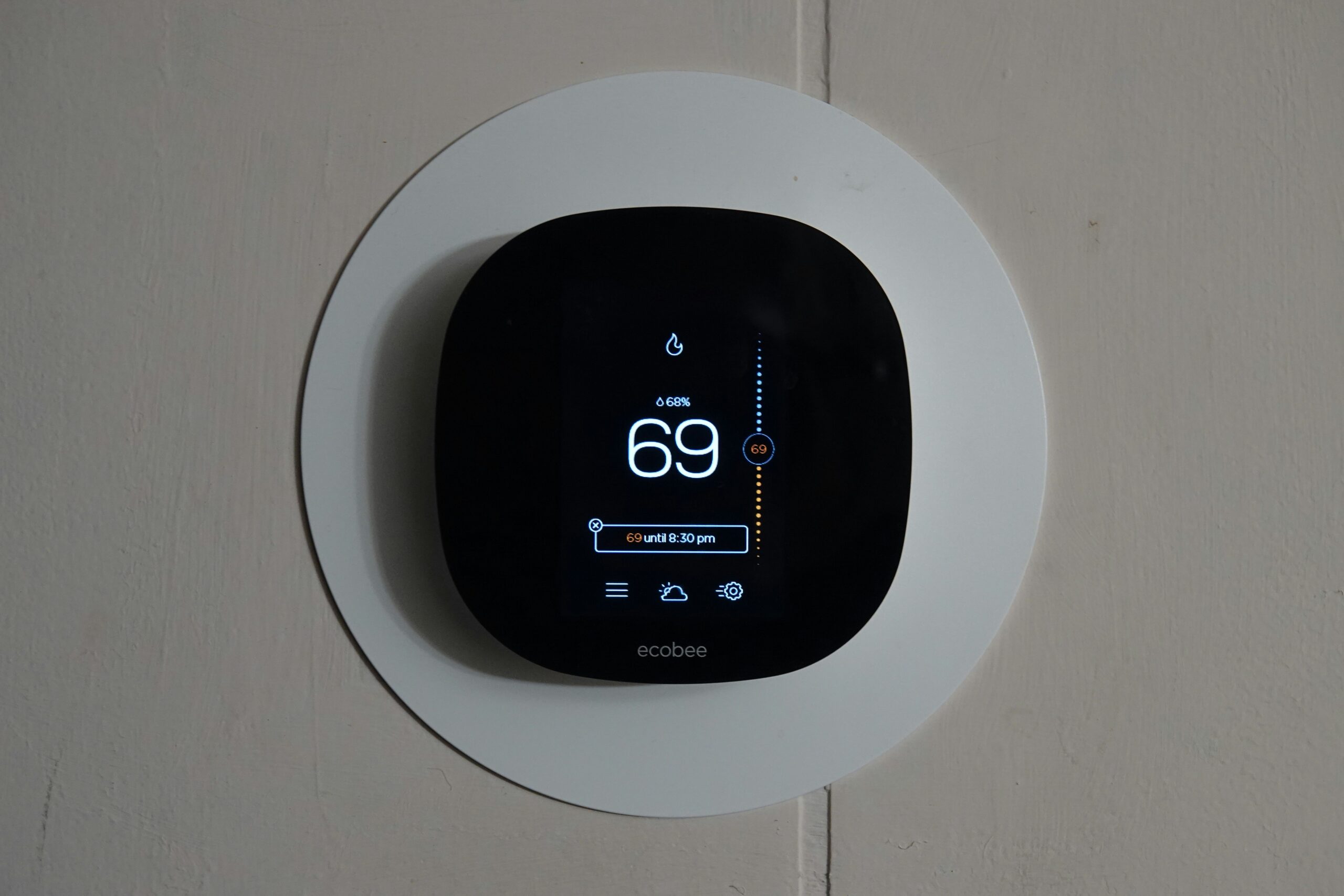
According to Energy Star, a properly used smart thermostat can shave about 10% off your heating and cooling bills. That’s not a bad trade-off for a gadget that quietly gets to know you like a helpful roommate.
Our favourite? Hive gets the nod for its flexibility. You can use it with multiple thermostats and even add smart radiator valves, which is great if one room in your house is always ten degrees colder than the rest (looking at you, drafty box room). Plus, if you’ve embraced the Google Home life, Hive fits in neatly.
What matters more, though, is whether users know how to get those savings. Too often, people set and forget, leaving potential benefits on the table. This is where better user education could work wonders.
Smart Speakers: Are They Taking Over? A Little Bit.
Smart speakers are now doing everything short of making your tea. Whether it’s Amazon Echo, Google Home, or Apple’s HomePod, these devices can control lights, set alarms, give you the weather, and answer trivia questions your kids invent just to test them.
According to NPR and Edison Research, about three-quarters of smart speaker users operate them daily. For many, they’ve become the central hub for their home’s smart ecosystem.
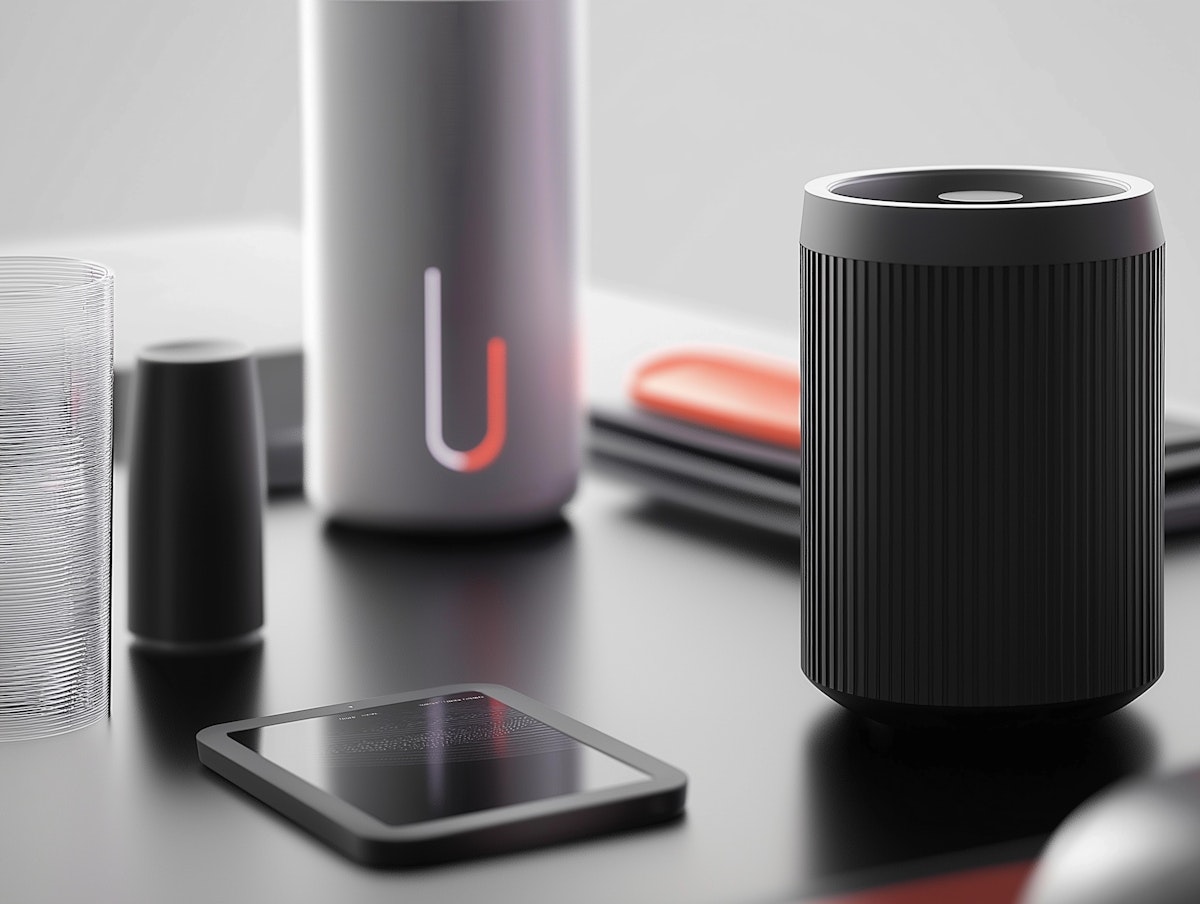
Still, they’re not all created equal, and choosing the right one depends on which digital family you belong to. Google fans will love the automation tools and Chromecast integration. Apple loyalists get the slick integration with their devices. And Echo users get a head start if they’ve already bought into the Alexa world.
That said, none of them can quite replace good old-fashioned switches and reminders stuck to the fridge or at least not yet.
Smart Lighting: Mood Magic at Your Fingertips
Turning on a lamp by yelling across the room used to sound ridiculous. Now, it’s just a Tuesday. Smart lighting systems like Philips Hue or LIFX let you change brightness, colour, and timing from your phone or voice assistant. Suddenly, your lighting can match your mood, even if your mood is “grumpy but trying.”
If you’re watching the budget, smart plugs offer a clever workaround. Plug in your favourite lamp, sync it to your smart app, and schedule it to turn on just before sunset. It’s low-cost comfort with very little effort.
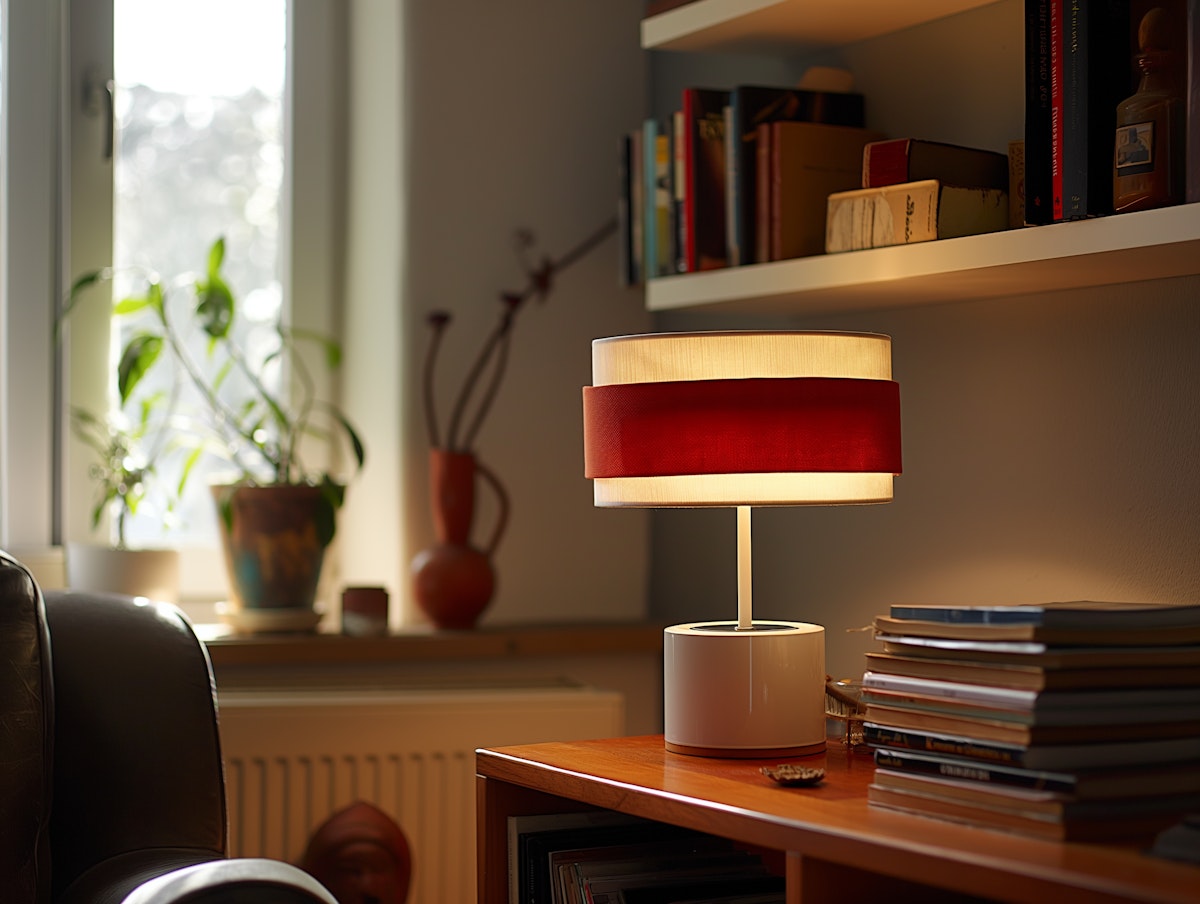
Beyond convenience, smart lighting is good for your energy bills. The Energy Saving Trust says LED smart bulbs can use up to 80% less electricity than traditional bulbs. So, you’re saving pennies and doing the planet a tiny favour too.
Still, manufacturers often assume users will instinctively know how to set up routines, scenes, and schedules. A simple guide, not a PDF from 2019, could really help users make the most of it.
Smart Security: The Peace-of-Mind Patrol
It used to be that home security meant a dog, a chain lock, and a very loud neighbour. Now? It’s more likely to be a smart doorbell and motion-sensor camera. Products like Ring, Arlo, and Nest Cam offer live footage, cloud storage, and alerts when someone’s lurking too close to your bins.
CEPro reports that homes with smart security systems tend to see fewer break-ins, or at least better footage of nosy raccoons and package pinchers.
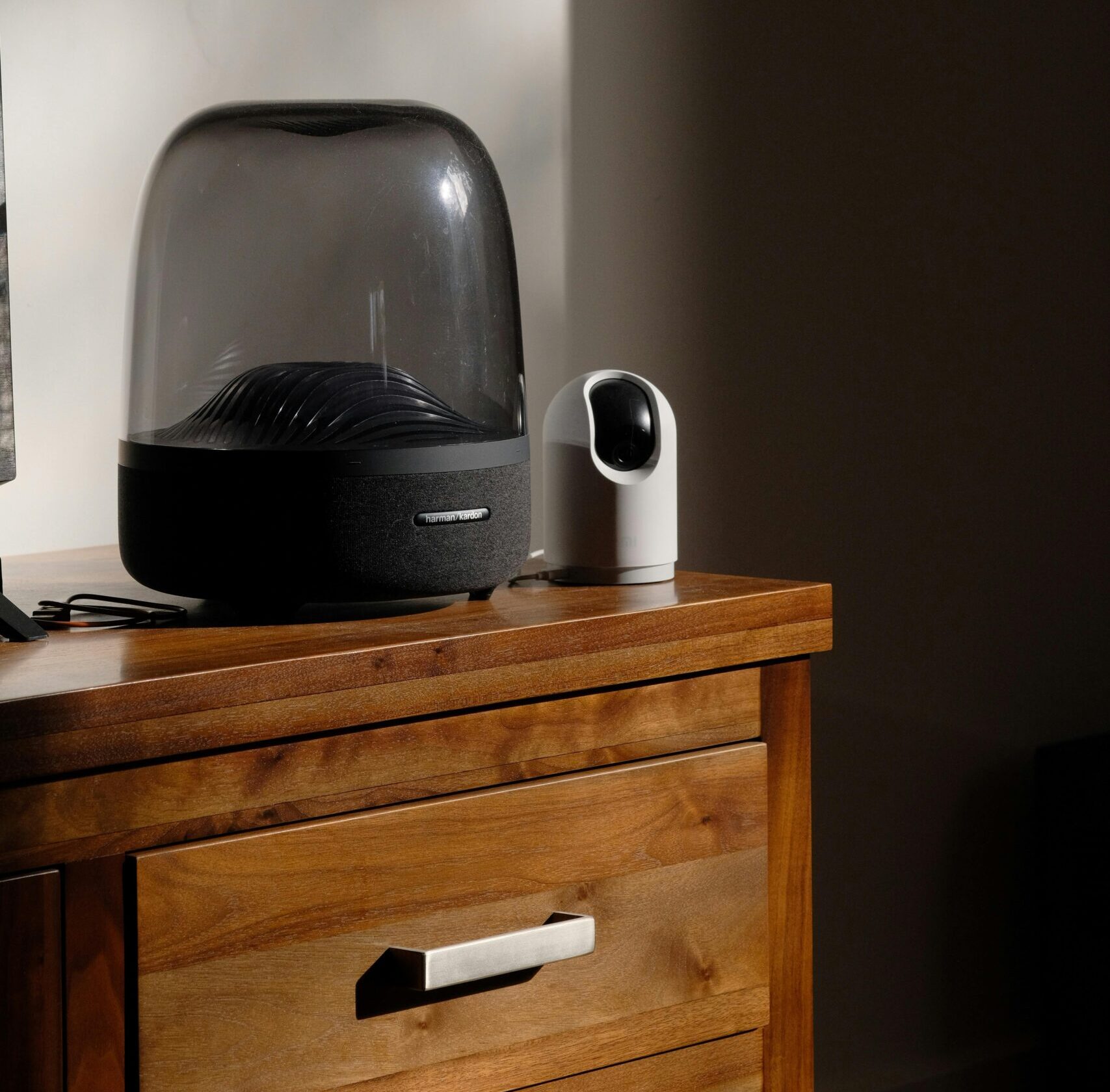
If you’re just dipping your toe in, plenty of affordable options are on Amazon. Just be ready to recharge those battery-powered cameras every few weeks, or risk a dead device when you most need it.
And again, tech companies could do more to help users figure out where to place cameras, when to activate alerts, and how to avoid being pinged every time the cat strolls past.
Smart Appliances: Silent Helpers That Let You Get On With Your Life
Not all smart devices are flashy. Some of them just quietly make your life easier. Think fridges that keep track of expiry dates, ovens that suggest cooking times, and robot vacuums that clean while you’re binge-watching reality TV.
If that sounds out of reach, start small. A fridge thermometer that helps reduce food waste, or a smart mug that keeps your tea warm while you type furiously at your laptop—these little things can make a difference.

The Consumer Technology Association says 60% of users report feeling more efficient after adding smart appliances to their homes. When your gadgets do the boring stuff, you get to focus on the good bits of life, whether that’s finishing a book, playing with the kids, or finally getting round to that puzzle from Christmas.
As Technology Continues to Advance
So, there you have it. Introducing smart technology into your home is not merely about staying ahead of the curve; it offers tangible benefits. By improving energy efficiency, bolstering security, and adding convenience, these devices make life easier and often more enjoyable. As smart technology continues to advance, the possibilities for its integration into the home will only expand. Before long, you might find yourself in a space reminiscent of the jet-setting lifestyle portrayed in classic futurist films. Until then, choosing the best smart home devices will not only enhance your daily life, but they might just make you the envy of your family. So why wait to experience this convenience and luxury firsthand? Start reaping the benefits of a smarter home today.