





In the wake of the COVID-19 pandemic, organisations globally faced a pivotal decision: should they continue with remote work or bring employees back to the office? This debate is intricate and ongoing, with strong opinions on both sides, as evidenced by the recent uptick in discussions on social media. In this blog post, we will explore the current landscape of remote work versus returning to the office, examining the trends, the data, and ultimately, who emerges as the winner or loser in this ongoing conflict. Finally we outline our next steps and the reasons why.
1. The Initial Push to Return to the Office
For many companies, the last few years have felt like an extended trial of remote work. Once the immediate dangers of the pandemic eased, several businesses sought to restore normalcy by requiring a return to the office. The prevailing belief was straightforward: productivity and engagement would rise if employees were physically present, fostering a stronger sense of commitment and collaboration. 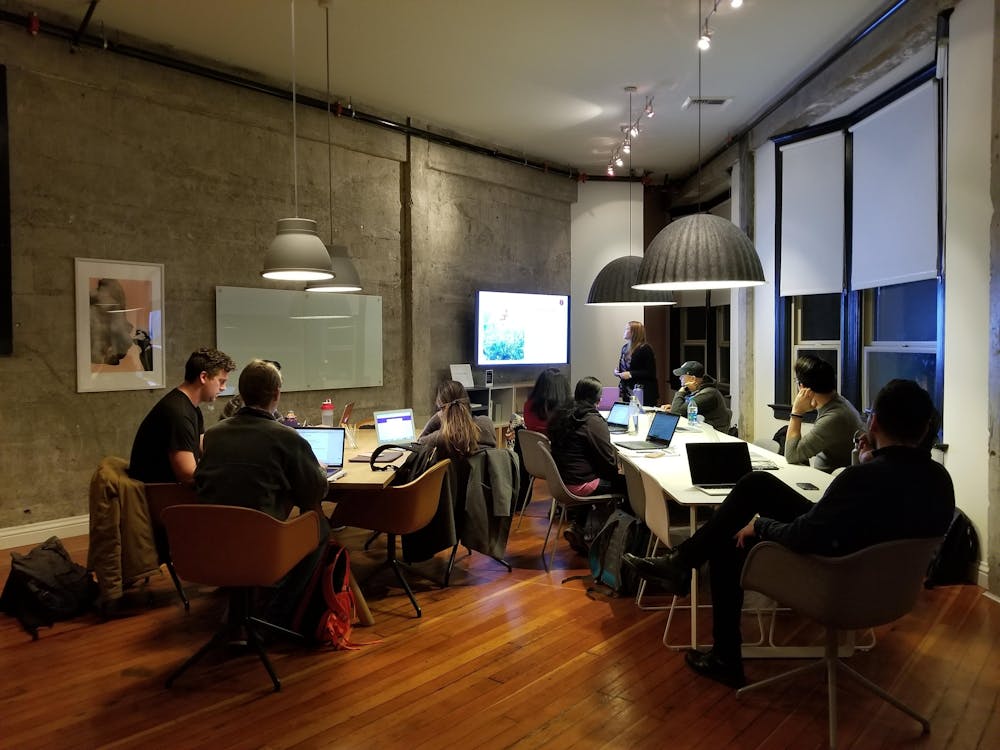 However, this assumption seems to have backfired. A study referenced in a popular tweet indicates that mandatory return-to-office policies have, ironically, resulted in decreased productivity and heightened employee dissatisfaction. Research cited by Ars Technica reveals that remote workers are 27% more likely to look forward to work compared to their in-office counterparts, suggesting that this enthusiasm is a key factor in employee motivation. Winner: Remote workers, who enjoy the flexibility and autonomy that remote work provides. Loser: Companies enforcing strict return-to-office policies, only to discover that their beliefs about productivity improvements do not hold true.
2. The True Definition of Remote Work
Much of the confusion surrounding the remote work debate arises from a misunderstanding of what “working remotely” actually entails. One popular tweet highlighted an important distinction: Running a Remote Company ≠ Working From Home. It means having the freedom to choose your own work hours, work from various locations (like cafes, while traveling, or in co-working spaces), and live wherever you prefer.  The typical “work-from-home” (WFH) experience during COVID-19, characterised by blurred boundaries and feelings of isolation, doesn’t accurately represent a well-organised remote work setup. Genuine remote work highlights the freedom to choose your location, whether that’s a lively coffee shop, a co-working space, or a serene cabin in the mountains. Winner: Digital nomads and employees at companies that genuinely adopt a remote-first approach. Loser: Businesses that equate WFH with remote work and fail to provide the necessary support for their employees.
3. The Challenges of Remote Work: Longer Hours and Increased Isolation
Remote work does come with its challenges. A closer look at the data reveals that while employees enjoy more flexibility, their workdays often extend by 10-20%, with heightened expectations to remain constantly available. Additionally, remote work tends to enhance communication among close colleagues but reduces interactions with more distant connections, which can hinder innovation and creativity. This increased workload, combined with feelings of isolation, can lead to burnout. A study involving over 10,000 tech workers found that while work hours rose by 30%, productivity actually fell by 20%. The reasons? Distractions and an overload of meetings, along with insufficient one-on-one coaching from supervisors. Winner: Office environments that can offer focused time and in-person mentorship. Loser: Companies that fail to adjust their remote work strategies to enhance productivity and support employee well-being.
4. The Hybrid Model: The Best of Both Worlds?
Data indicates that the future of work may lean towards a hybrid model instead of being entirely remote or fully in-office. A survey involving 15,000 Americans revealed that after the pandemic, approximately 22% of workdays are expected to be spent at home, with employees willing to forfeit up to 7.6% of their salary for the flexibility to work from any location. Hybrid models enable companies to enjoy the advantages of both setups. Office spaces are transforming into flagship locations similar to Apple stores, functioning more as brand showcases than everyday work environments. At the same time, satellite offices are evolving into co-working hubs that emphasize culture and connection, reminiscent of Soho House clubs. Winner: Companies that implement flexible hybrid models catering to employee preferences. Loser: Businesses that continue to adhere to a rigid, traditional office structure.
5. Deep Work vs. Collaboration: Finding the Balance
A compelling argument for remote work is its capacity to promote deep, focused work. A widely shared tweet pointed out that government employees experienced a 28% increase in productivity while working from home due to fewer distractions, allowing them to concentrate better on their tasks. Conversely, the office environment fosters spontaneous interactions, brainstorming, and collaboration. However, not every task necessitates that level of engagement. The key challenge lies in identifying which activities benefit from a collaborative office setting and which ones excel in the solitude of remote work. Winner: Remote workers who excel in deep work and focused tasks. Loser: Employees whose roles depend significantly on spontaneous collaboration and social interactions.
6. The Impact on Employee Health: Physical and Mental Well-being
Concerns are rising about the long-term health implications of remote work, particularly when it involves inadequate ergonomic setups at home. A viral tweet humorously depicted what remote workers might look like by 2100: swollen eyes, hunchbacks, and claw-like hands. While the image was an exaggeration, it highlights a real issue—without proper workspaces, remote work can negatively affect physical health. 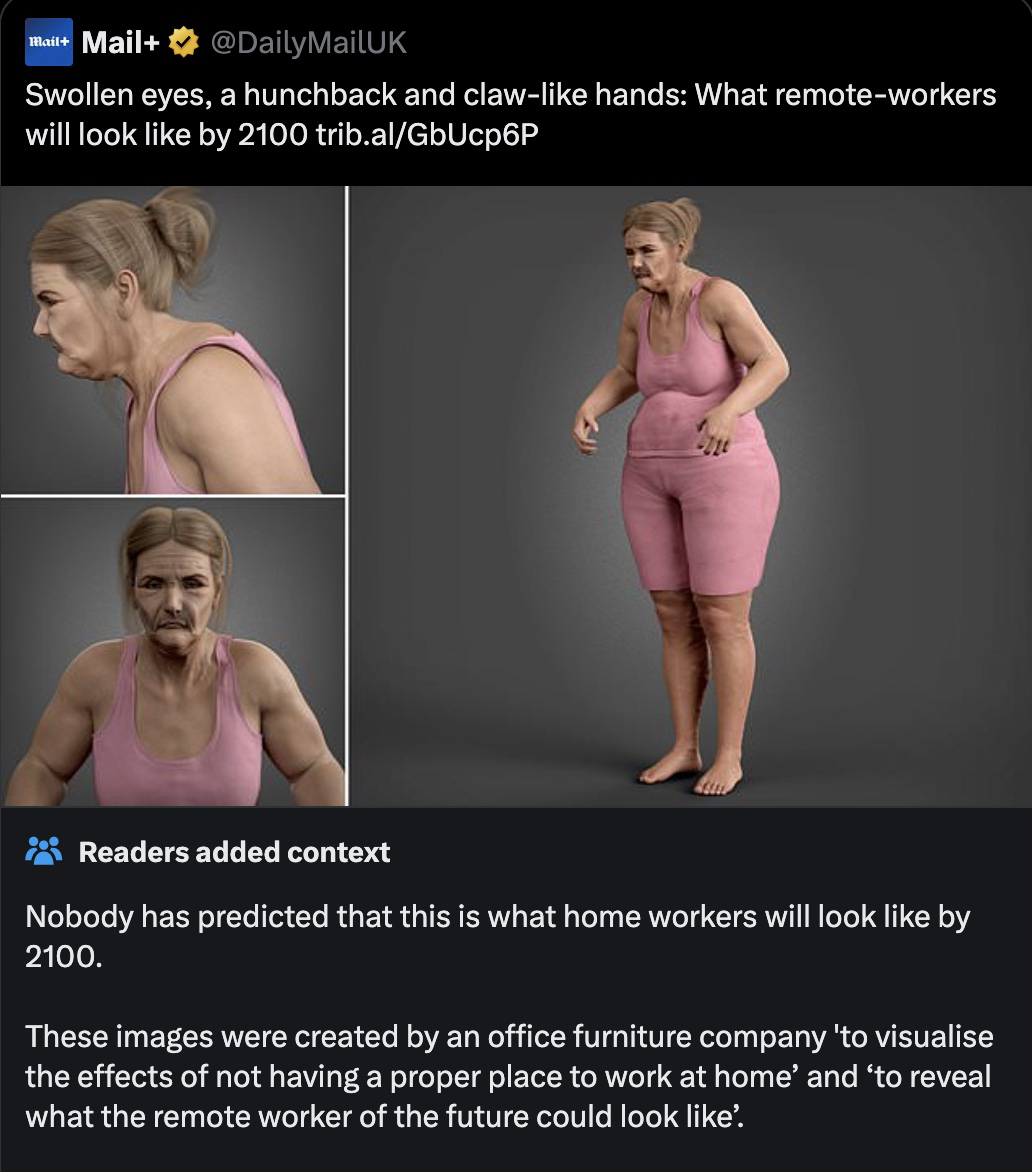 On the mental health front, remote work can foster feelings of loneliness and isolation, especially for those who thrive on social interactions. Studies indicate that an increase in remote work correlates with heightened feelings of isolation, which can lead to psychological distress. Winner: Employers who prioritise mental health and ergonomic home office setups. Loser: Companies that neglect the significance of employee health in remote work arrangements.
Embracing a Hybrid Model—Our Next Step
After much consideration and reflection, we’ve decided it’s time for a change. As a remote-only company, we’ve experienced firsthand the benefits that autonomy and flexibility can bring—greater job satisfaction, increased productivity for focused work, and the ability to attract top talent from all over the world. However, as the landscape of work continues to evolve, it’s clear that a hybrid approach is the future. Remote work has proven to be incredibly effective for tasks that require deep concentration, allowing our team to excel without the typical distractions of an office. But we’ve also come to realise that some aspects of our work—like collaboration, mentorship, and the spontaneous exchange of ideas—can be challenging to replicate through screens. The office, when used intentionally, can play a crucial role in fostering these vital interactions. What’s Changing? We’re not abandoning remote work—in fact, it will continue to be a core component of how we operate. Instead, we’re adopting a hybrid model , combining the best of both worlds:
- Flexibility remains paramount : Our team will have the freedom to choose where they work best, whether that’s from home, a co-working space, or our newly reimagined office.
- In-person days for collaboration : We’ll designate certain days for in-office collaboration, team-building, and mentoring sessions. This is not about going back to the old 9-to-5 routine, but about creating meaningful, productive interactions.
- Purpose-driven office spaces : Rather than using the office as a default workspace, we’ll transform it into a hub for innovation, creativity, and culture—a place where team members can come together to solve complex problems, brainstorm, and celebrate successes.
Why Change Now? The data and conversations we’ve followed have made it clear that a hybrid approach is not just a compromise—it’s an evolution. Employees today value flexibility more than ever, but they also recognise the benefits of face-to-face interactions for certain aspects of their work. By transitioning to a hybrid model, we’re aligning our workplace strategy with what our team members and the wider industry have demonstrated to be the most effective and fulfilling way to work. This change will enable us to support both deep work and collaborative efforts , ensuring we’re set up for long-term success. 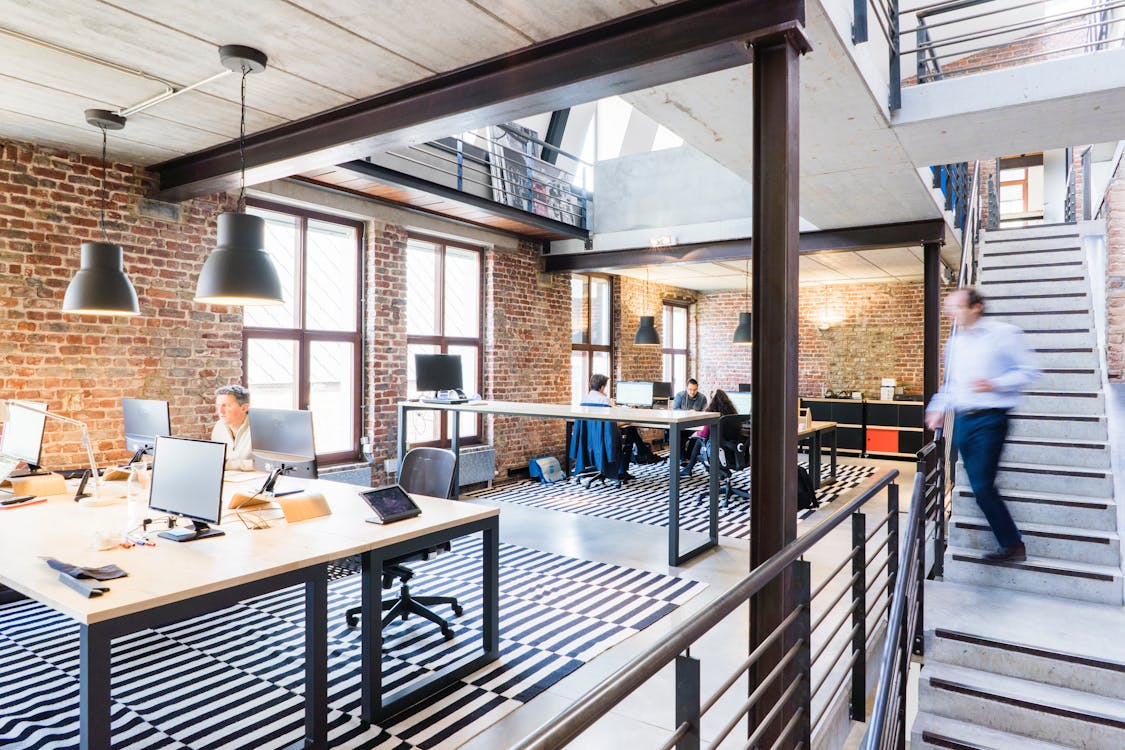 The Future of Work: We understand that to attract and retain top talent, we need to adapt to the changing needs of our workforce. As we move forward, our focus will be on creating an environment that values autonomy, flexibility, and well-being , while also taking advantage of the unique strengths that in-person collaboration can bring. We believe this is the best way to foster a culture of productivity, innovation, and connection—a winning combination for our team , our clients, and the future of our company. It’s time for Love the Idea to embrace the hybrid model, not as a fallback option, but as the optimal path forward.