





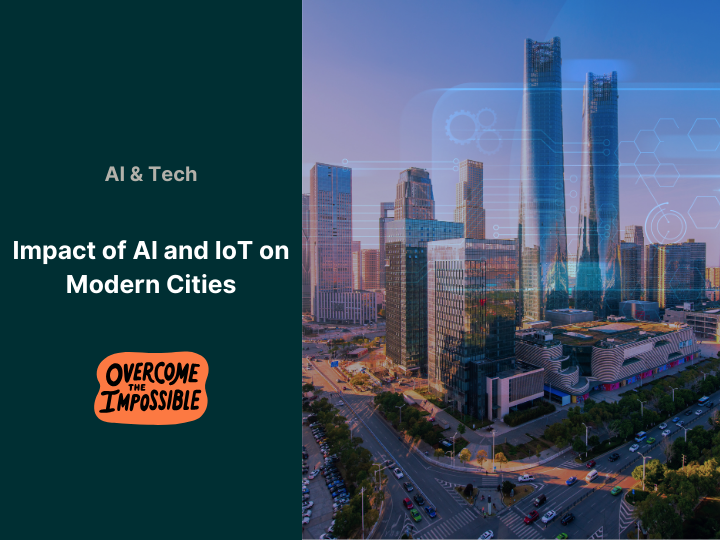
Imagine stepping out your door into a city that anticipates your every need. Traffic moves smoothly like a choreographed dance, energy waste becomes a thing of the past, and predictive insights enhance public safety. This isn’t science fiction, it’s the rapidly unfolding reality of smart cities, powered by Artificial Intelligence (AI) and the Internet of Things (IoT). Let’s explore how these technologies are reshaping urban life.
The Role of AI in Smart Cities
AI acts as the brain of a smart city. It controls traffic flow, waste collection, and energy use. By analyzing data, AI makes real-time adjustments to improve city life. As a result, commutes become faster, waste collection is more efficient, and energy use drops.
AI also improves waste management. Smart bins detect when they are full and alert collection teams. This reduces unnecessary trips and lowers costs. According to the World Economic Forum, AI can significantly cut waste management expenses. Cities can then use resources more effectively while protecting the environment.
However, AI-powered security tools, like facial recognition, raise privacy concerns. While these systems improve safety, they also bring risks, such as bias in algorithms. Policymakers must create transparent rules to balance security and privacy. Open discussions and strong regulations will help protect citizens’ rights.
IoT: The Central Nervous System
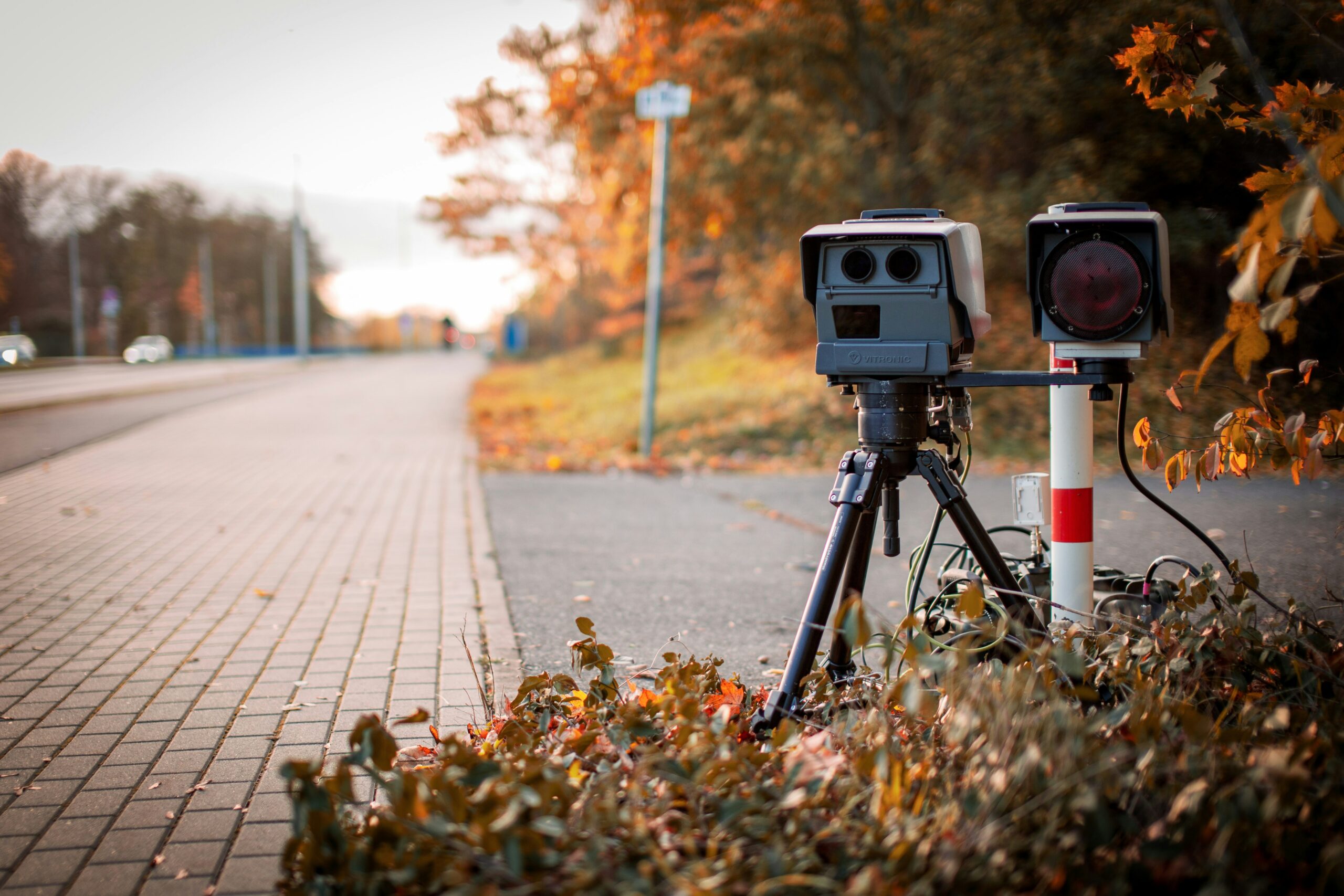
IoT works like a smart city’s nervous system. It connects devices that collect and share data. Smart water meters detect leaks. Streetlights adjust brightness based on foot traffic. These innovations improve services while cutting costs.
One major success story is the smart grid. The International Energy Agency reports that IoT-powered grids improve energy distribution. This ensures steady power, reduces outages, and cuts energy waste.
The Perfect Partnership: AI & IoT
The true magic happens when AI and IoT work in tandem. IoT sensors collect the raw data, and AI analyzes it to provide actionable insights. This synergy enables real-time monitoring of air quality, allowing cities to implement targeted interventions to reduce pollution. Furthermore, AI-driven insights help optimize urban mobility, making public transport more responsive and efficient. For instance, Singapore has implemented widespread sensor networks that monitor everything from public transport usage to building energy consumption. That data is then processed and used to provide better services to the citizens. As Forbes highlights, this combination of AI and IoT is also improving public health by enabling real-time disease surveillance and resource allocation. 
Challenges and Considerations
Despite the benefits, smart cities still face challenges, including data privacy concerns and cybersecurity risks. As vast amounts of data are collected, urban centers increasingly become potential targets for cyberattacks. Consequently, implementing robust security measures is crucial to safeguarding these systems. To mitigate these risks, policymakers and tech firms must not only enforce strict data protection laws but also implement encryption technologies and ensure transparency in AI usage. Moreover, by prioritizing data security, smart cities can foster public trust and effectively safeguard sensitive information.
The Future of Urban Living
The potential of AI and IoT in urban planning is vast. From climate-resilient infrastructure to AI-driven autonomous public transportation, these technologies are shaping the future of our cities. As advancements continue, the possibilities for smarter, more sustainable urban environments will expand. Cities like Copenhagen, with its focus on smart energy and sustainable transportation, are leading the way. Imagine a future where your daily commute is seamlessly optimized, where public services are proactively delivered, and where your city adapts to your needs in real time. With continued innovation, this vision is becoming a reality. 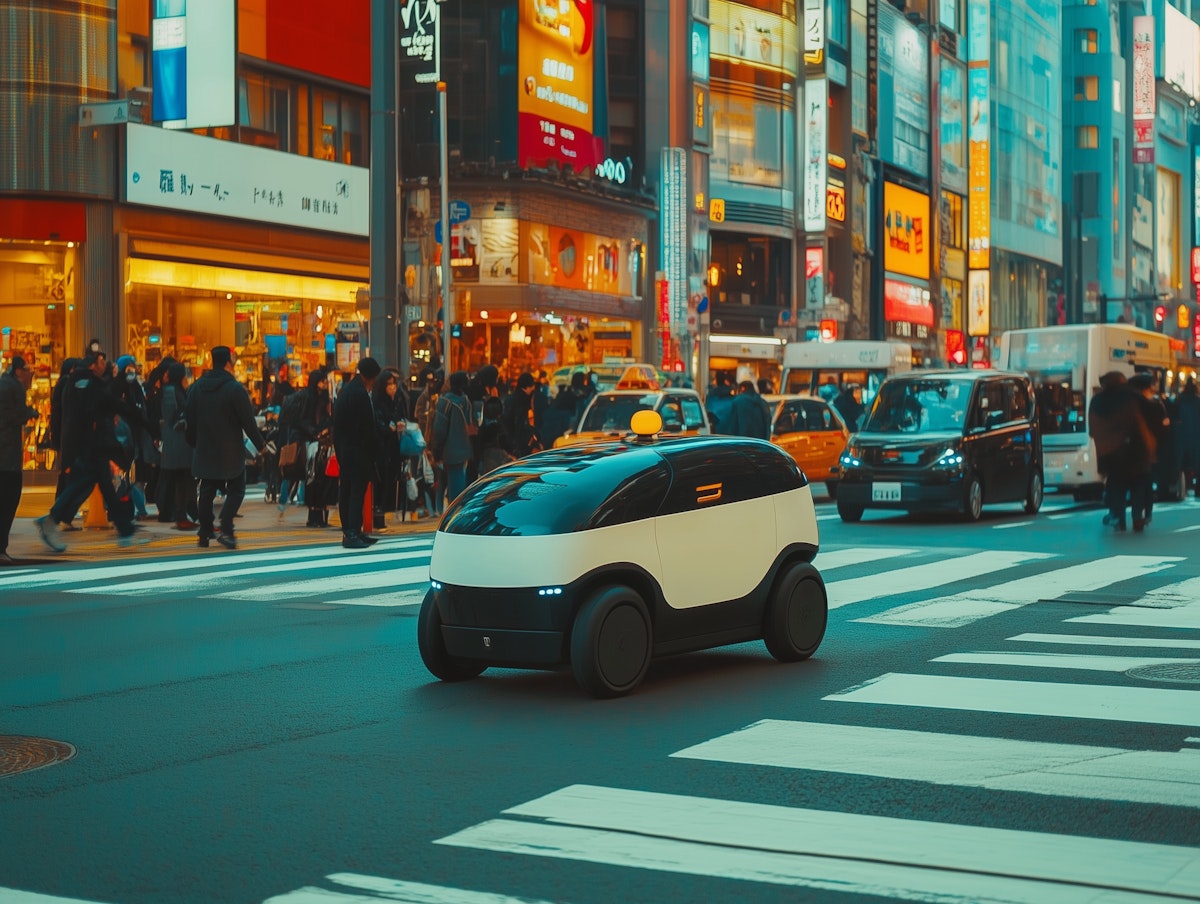 As we move forward, we must ensure that these technologies serve the best interests of all citizens, creating inclusive, sustainable, and thriving urban environments. By fostering collaboration between governments, businesses, and communities, we can build smarter cities that enhance the quality of life for everyone. So, what’s next? As technology advances, your morning commute and daily routines might soon be seamlessly optimized by AI and IoT, making life more efficient and enjoyable.