







This might sound like a topic that belongs in a financial analyst’s report rather than a blog for tech-lovers like yourself. But in reality, currency data analysis has a lot to reveal to those keen on smart technology and global trends. Whether you’re a homeowner trying to forecast economic events or simply someone who appreciates the tech shaping our world, understanding currency data can offer some surprises.So, what will we unravel in this blog? We’re diving into the smart and often overlooked worlds of currency data analysis, uncovering data’s role in shaping perceptions and confidence in the global economy. By the end, you’ll walk away with newfound knowledge—minus the headache of wading through pages of economic jargon. 
The Buzz About Currency Data Analysis
Currency data analysis might sound more cut-and-dry than your morning toast, but trust me, it’s buzzing with life when interpreted correctly. At its core, currency data refers to the information about how different currencies perform in the financial markets. When economies around the globe shift, so do exchange rates, and these shifts are recorded in the form of data. For those dabbling in smart technology applications, this data is pure gold. In fact, tech companies now use advanced machine learning algorithms to process currency data. Google and other tech giants use this data to provide insights to businesses about currency fluctuations and consumer behaviour on a global scale. This helps companies make smarter decisions, especially handy for those that export globally and rely on real-time data to navigate shifts in exchange rates.
Linking Currency Data to Global Confidence
Why do tech lovers need to know about the link between currency data and global confidence? Simply put, currency stability is usually a marker of economic stability. When the currency of a country maintains a strong and stable value, it often reflects high confidence in that country’s economy. A fluctuating currency can indicate instability or a lack of economic confidence. For example, recent shifts in the Euro against the US Dollar can be linked to differing economic growth forecasts in Europe versus the US. Smart technology closely monitors and analyses these trends, using big data analytics to foresee possible economic downturns or growth. The vast data exchanged daily between currencies can offer predictive glimpses into the economic realities of tomorrow. This means tech-savvy individuals can leverage this valuable information to foresee market trends with high accuracy. For homeowners, it can mean knowing when the economy might hit rough waters or ride the tides smoothly—handy when considering a big investment like buying a home or refinancing. 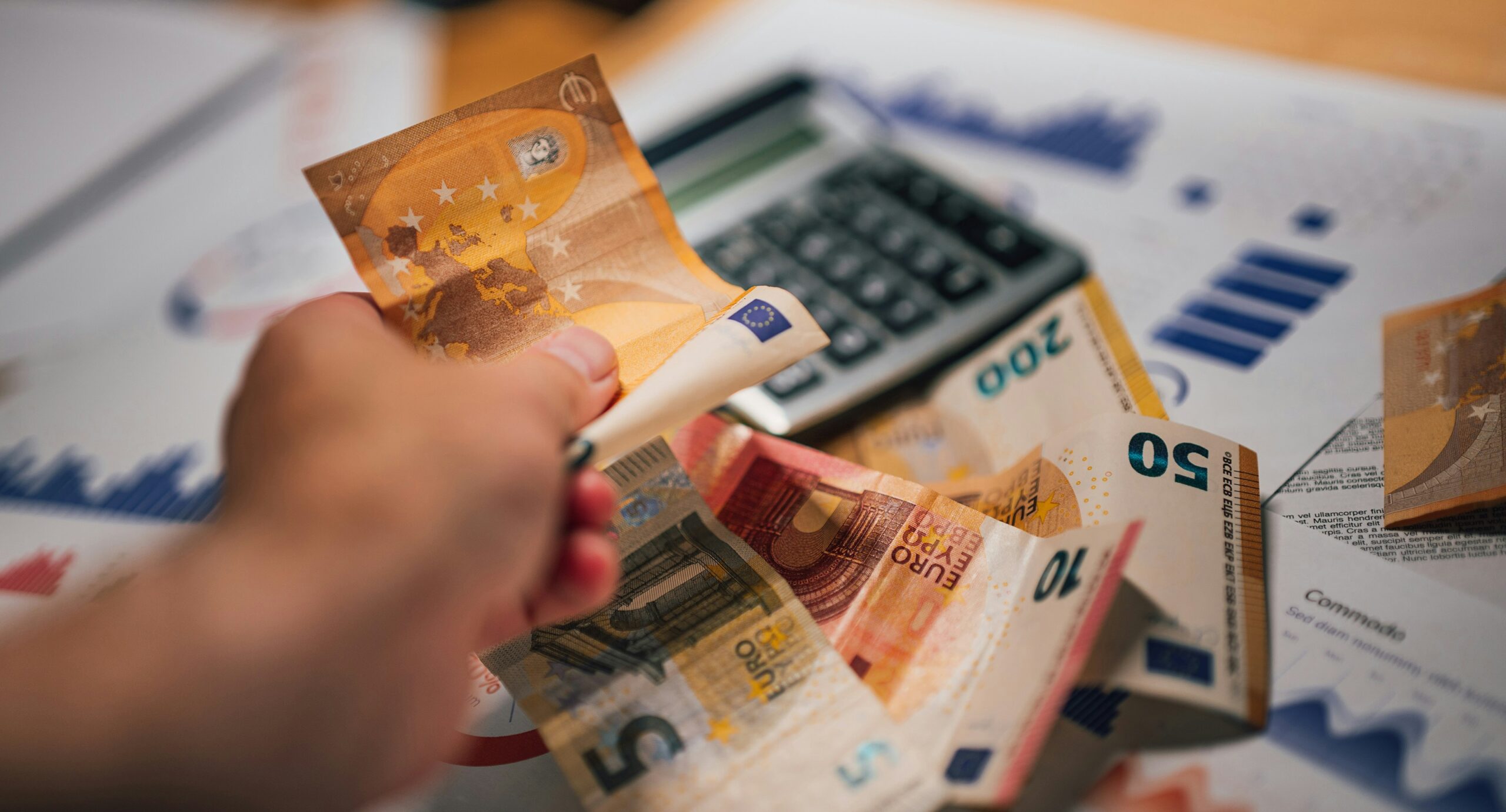
How Technology Simplifies the Complex
Smart technology has truly harnessed the potential of currency data analysis. Don’t imagine lines of complex charts and data sheets; we’re talking intuitive apps and software that make this information digestible and actionable. Platforms such as Bloomberg Terminal and MetaTrader use empowering AI technologies to break down what might be considered financial gobbledygook into understandable insights. Adding to this innovation, many apps enable users to set up personal alerts based on certain triggers in currency shifts. You could receive a notification when the value of the Pound against the Euro hits a certain mark, without needing specialised financial knowledge. For tech enthusiasts with an eye on cryptocurrency, similar tech-driven analysis can be applied to digital currencies. The rise of Central Bank Digital Currencies (CBDCs) and stablecoins also represents a significant new frontier for data analysis, as their value is often pegged to traditional currencies, creating new data streams and points of analysis. 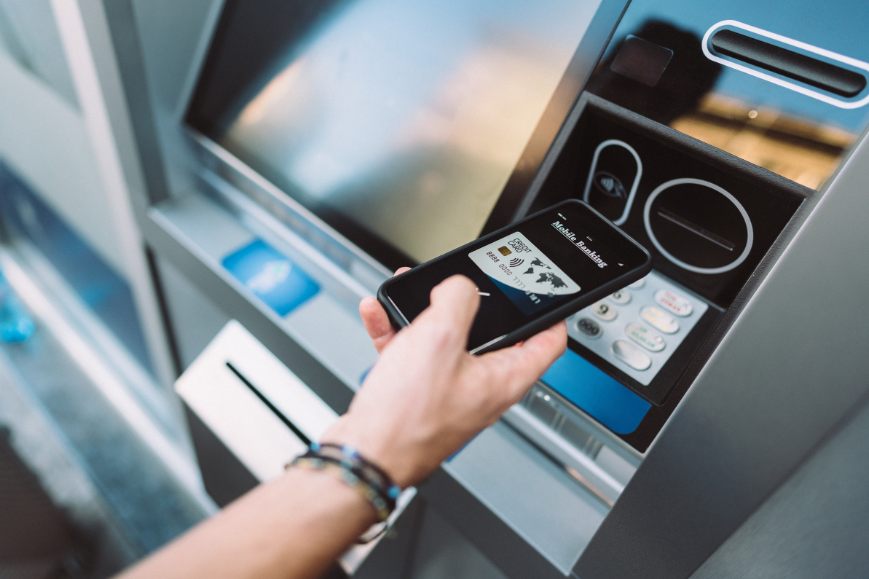
Beyond the Charts: Unconventional Data Sources
The latest advancements in AI and big data are moving beyond traditional market data. Modern analysis now incorporates a wide array of unconventional data to create a more holistic picture of global confidence. This includes:
- Sentiment Analysis: Using AI to scan real-time news articles, social media feeds, and financial reports to gauge market sentiment and overall economic conditions. A rise in negative sentiment on a national economy can be an early indicator of a depreciating currency.
- Satellite Imagery: Autonomous algorithms can analyse satellite images of shipping traffic, night-time lights, and industrial activity to estimate economic output in real-time.
- Predictive Analytics: By combining this diverse data, AI models can now perform “nowcasting,” which is the process of predicting the current state of the economy even before official figures are released.
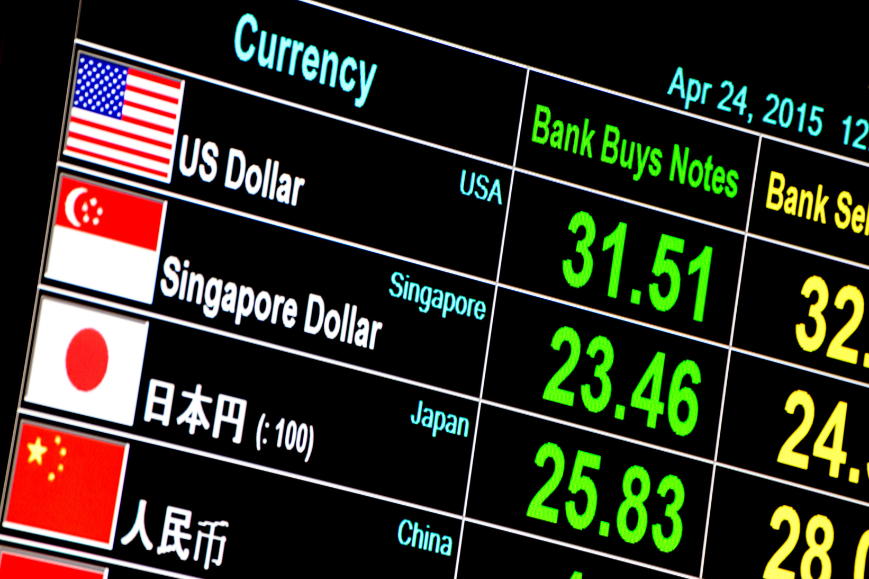
Real-Life Application: When to Tune Into Currency Data
We’ve established that currency data isn’t just numbers—it reflects real-world implications. But when should a tech-loving homeowner pay attention?
- When considering international travel: Currency analysis can guide you on when to buy your travel money.
- Planning large purchases or investments: Currency impact on interest rate decisions can make a significant difference.
- Running a business: Cross-border transactions and supply chain costs can hinge on currency stability.
In these situations, with tech’s ability to simplify complex data into digestible bites, ignorance is no longer bliss.
The Intersection of Smart Technology and Currency Analysis
As the world becomes more interconnected, the interplay between technology and finance only deepens. With smart technology driving efficiencies and improving data accuracy, currency data analysis is a vital tool for tech enthusiasts looking to stay ahead. Autonomous algorithms crunch numbers in ways humans cannot, offering insights once considered unimaginable. A key recent development is Explainable AI (XAI) , which addresses the “black box” problem of traditional AI models. XAI provides a transparent view of why a model made a certain prediction, building trust and allowing users to better understand the underlying economic drivers. This is crucial for high-stakes decisions like financial forecasting.
Is This the Future?
For tech lovers, currency data analysis may not be the first subject that sparks excitement. However, smart technology integration is revolutionising how we interpret and act on this data. Whether it’s through an app that pings you to alert to a currency drop or predictive analysis technology that advises when to invest, technology continues to transform the mundane into the extraordinary. Technology and currency data are increasingly connected, giving us the power to make more informed and intentional choices in our daily lives.