






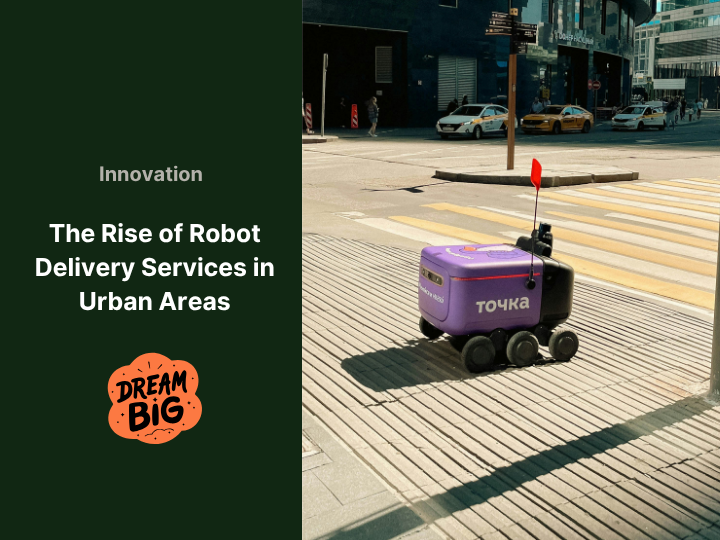
You order your usual Friday night curry, and 20 minutes later, it’s not a teenager on a scooter at your door. It’s a little robot with flashing lights and wheels humming along the pavement. No, you haven’t stepped into a sci-fi film. You’ve just met the new face of urban delivery. Autonomous delivery robots are quietly arriving in our cities, and they’re not just convenient. These compact couriers might be helping your lungs, your stress levels, and even your digital peace of mind. Let’s explore why this tech isn’t just cool, but actually useful for people who care about wellness and privacy. 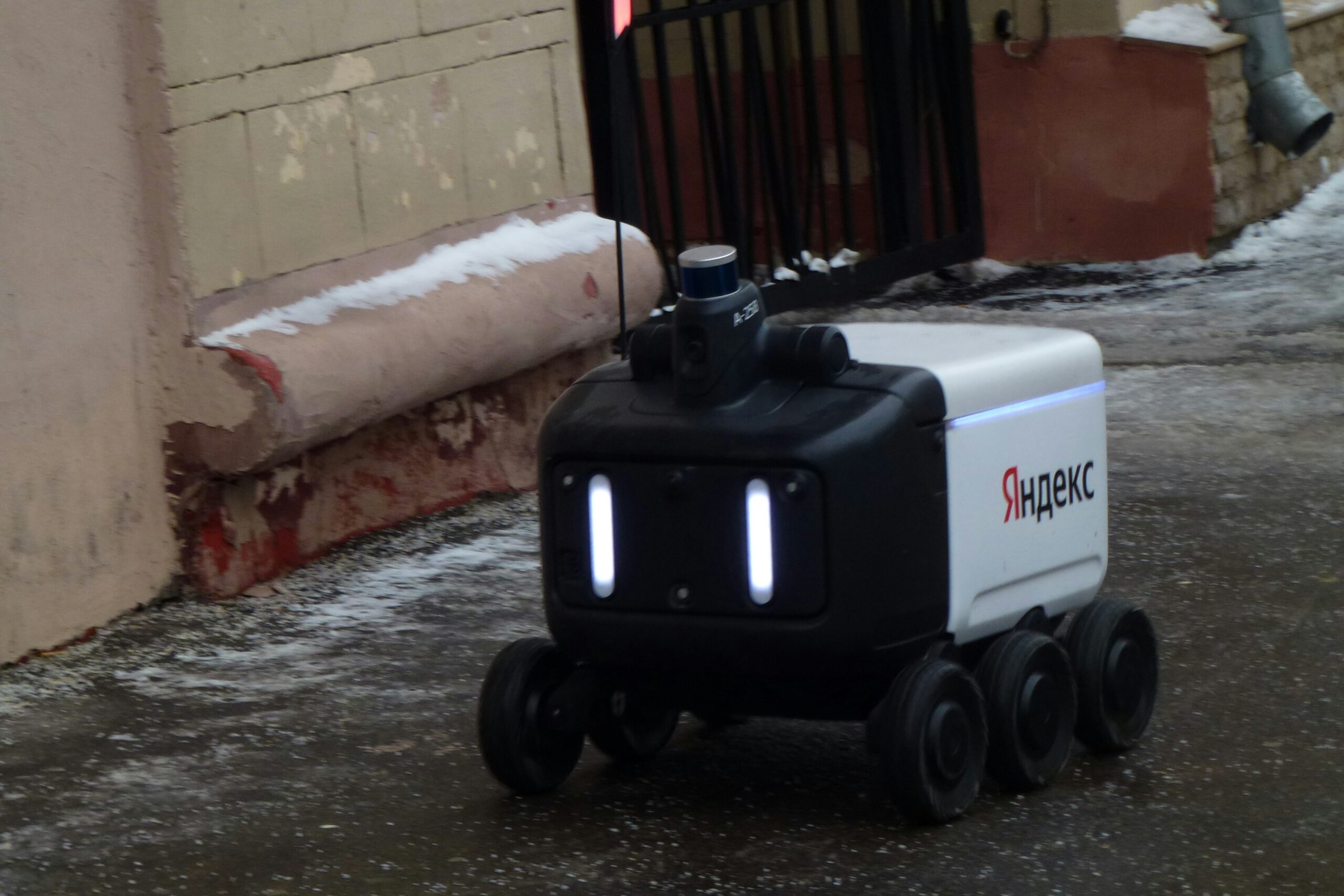
What Are Delivery Robots, Anyway?
Delivery robots are small, self-driving machines built to carry goods, usually food, groceries, or packages, from one place to another without a human behind the wheel. They look a bit like high-tech eskies (cool boxes, for our international friends) on wheels, and they’re powered by a mix of artificial intelligence, GPS, cameras, and sensors. Some even have cute digital “faces,” partly for safety, partly for charm. Think Wall-E, but with your pizza. They typically travel on pavements, cross at lights, and move along at a walking pace. Most models use electric power, making them zero-emission once they’re out in the world.
Why This Tech Matters to Your Body and Boundaries
Less Pollution, More Fresh Air
Let’s be honest, cities are gasping for clean air. Traffic fumes aren’t just unpleasant, they’re linked to asthma, heart disease, and reduced life expectancy. When a robot replaces a petrol scooter, we all breathe easier. According to the Environmental Defence Fund, swapping out diesel delivery vehicles for electric or autonomous ones could cut greenhouse gas emissions by up to 90 per cent. That’s not just good for the environment, it’s good for your lungs too. 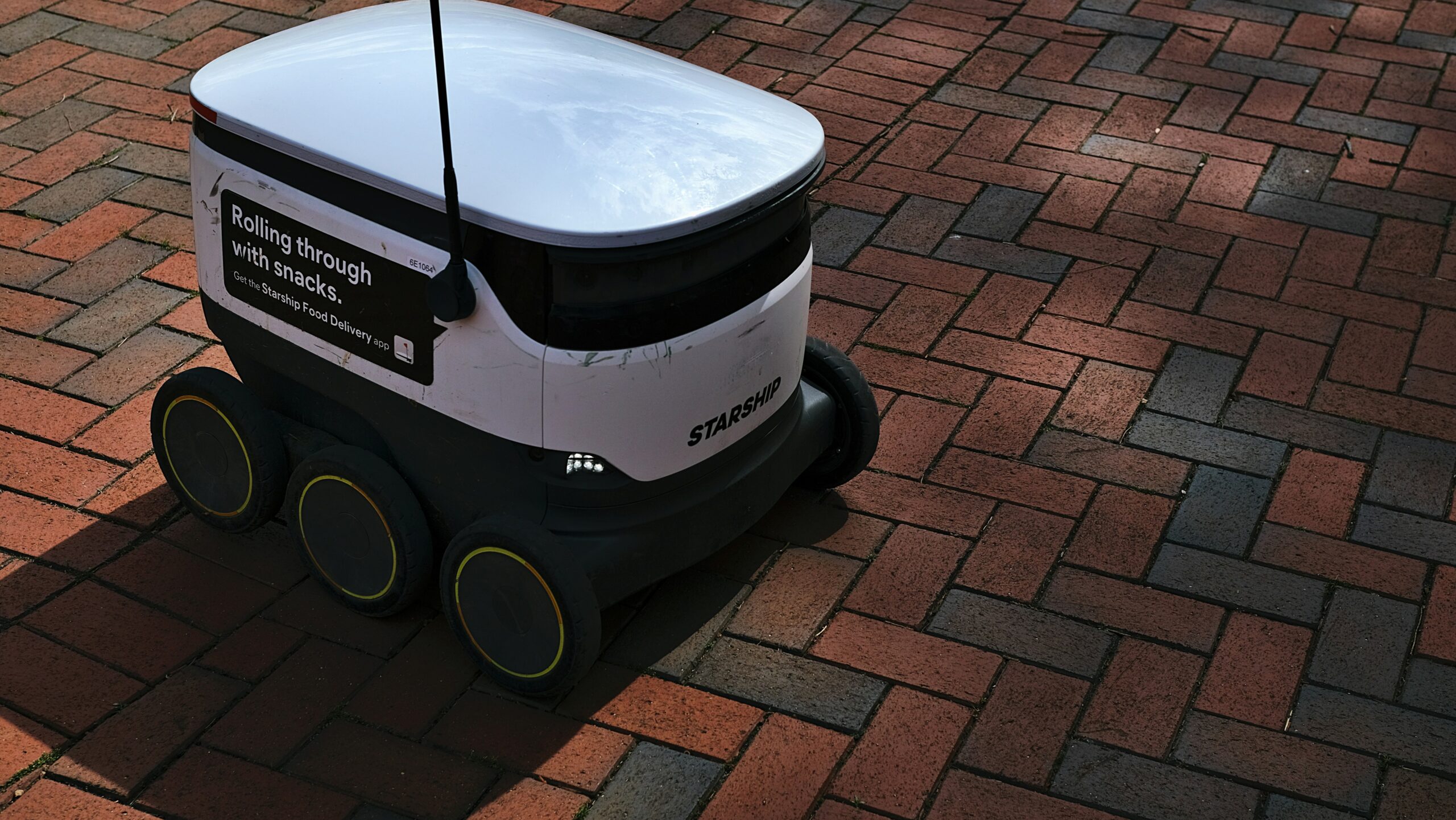
Fewer Delivery Hassles, Lower Stress
Missed deliveries, doorbell anxiety, wrong items, delays. Sound familiar? Robot delivery services can run 24/7, don’t get hangry or tired, and won’t ask for tips. That means fewer moving parts in your day and fewer reasons to feel frazzled. Plus, with GPS tracking and real-time updates, you can see your delivery slowly making its way toward you. No more staring out the window, wondering where your lunch has gone.
Better Privacy, Fewer Data Dramas
Most delivery platforms track where you are, log your preferences, and sometimes share that information with advertisers. Robot delivery services usually skip all that. They collect less personal data, and some even build privacy protections right into how they work. No need to worry about who’s watching your takeaway habits or how your data is being used, just a robot doing its job and minding its own business.
How to Actually Use One in Daily Life
You might already live in a city that’s testing these bots. For example, in the UK, Starship Technologies robots are already a familiar sight in Milton Keynes, Northampton, Bedford, Cambourne, Cambridge, and parts of Leeds and Trafford (Greater Manchester). They often partner with local supermarkets like Co-op and Tesco (some areas might have Starship robot delivery via Tesco Whoosh. ) Separately, in London, Asda has partnered with Wayve for autonomous grocery delivery trials in a specific catchment area in West London (customers order via the regular Asda Groceries app). Keep an eye out for news on trials from other companies like DPD (who are piloting Ottonomy’s ‘Ottobot’ in some areas) or potential future partnerships with major delivery platforms like Deliveroo or Uber Eats Here’s how it typically works:
- Customers will order food or groceries from a partnered app.
- They’ll get a notification that your delivery is on the way, from a robot.
- They will have an option to track the robot in real time through the app.
- When it arrives, customers will receive a code to unlock the hatch.
- Grab the items, close the lid, and wave goodbye.
These robots usually handle short-range deliveries, so don’t count on one to bring you sushi from across town just yet.
Want to feel better about your tech choices? Opting for robot deliveries where they’re available is an easy, feel-good switch. It’s like going paperless, a small decision with a big ripple. You’ll be cutting your carbon footprint, avoiding awkward driver run-ins, and supporting a smarter way of living.
Bonus points if you order something healthy. Double win for you and the planet.
Challenges Facing Robot Delivery Systems
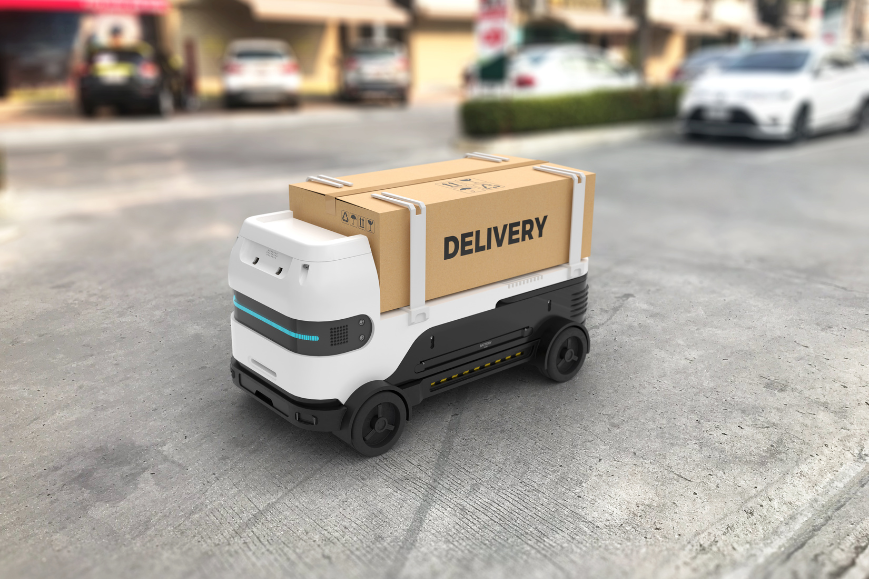
Challenges exist, naturally. One prime area is the regulatory environment. Cities need stringent standards to ensure robots safely inhabit roads and sidewalks. Additionally, public perception can be another barrier. Acceptance often pivots on trust – can these robots reliably perform deliveries? Reliability during unexpected events such as severe weather or network disruptions creates another layer of complexity. While testing progresses, these systems must prove consistently robust during anomalies. The concern of security looms too, and it’s vital to have measures against theft or hacking of these robotic units.
For businesses, investors, or simply tech enthusiasts keen to stay on the cutting edge of this evolving sector, comprehensive monitoring tools are essential. Keeping tabs on real-time news, regulatory updates, public sentiment (from social media discussions), and emerging security threats within the autonomous delivery space requires a specialized approach. This proactive intelligence is vital for understanding market movements and making informed decisions in such a dynamic industry.
Are Delivery Robots Here to Stay?
It’s tempting to think delivery robots are just a passing trend. But these helpful machines are solving real problems. Pollution, congestion, missed deliveries, and driver burnout are very real issues. 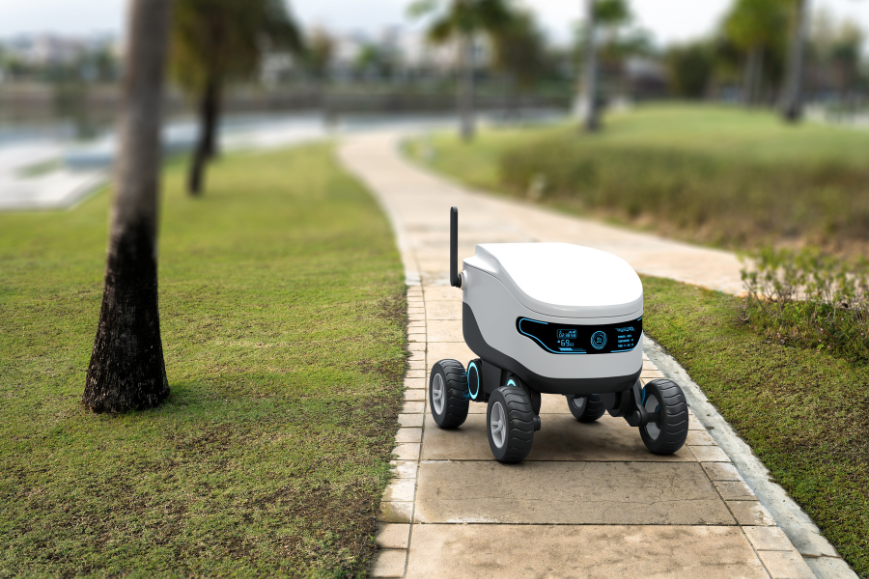 Yes, there are still a few bumps in the road. Regulations, rough weather, and the odd confused pedestrian are challenges. And no, they’re not here to replace people entirely. Someone still needs to maintain them when they get stuck in a puddle. With constant improvements in AI and connectivity, future delivery bots could take on more roles. They might deliver parcels, tidy up streets, or help out with local errands. They might not take on all those jobs right away, but the shift is already happening. These robots aren’t just replacing delivery drivers; they’re reshaping how our cities run. This isn’t just a trend; it’s becoming the new normal. Don’t be surprised when your next delivery rolls up with wheels and a blinking light. Go on, get ready to wave hi to your next delivery robot!